You know, being a teenager is tough. Seriously, everything feels like it’s on overdrive—emotions, friendships, you name it.
But what if those ups and downs are more than just typical teenage drama? What if your friend or sibling is dealing with something deeper?
Bipolar disorder isn’t just an adult thing. It can show up in teenagers too. And sometimes, it’s easy to miss the signs.
So, let’s chat about some of those symptoms. It could make all the difference for someone you care about. You feel me?
Understanding Bipolar Disorder: A Psychological Perspective on Its Complexities and Treatment
Bipolar disorder is one of those complex mental health conditions that can really shake things up in someone’s life. You know, it’s not just about mood swings; it’s like riding a rollercoaster that kinda goes off the rails sometimes. People with bipolar disorder experience extreme highs (called mania) and lows (depression).
Understanding symptoms in teenagers can be particularly tricky. They already go through so many changes, and emotions run high. So, what are the signs to look out for? Here are some common indicators:
- Manic episodes: This might look like an unusually upbeat mood—lots of energy, racing thoughts, or feeling invincible. Imagine a teenager who suddenly has boundless energy and thinks they can take on the world.
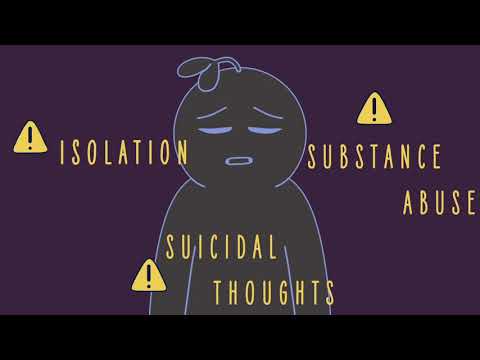
- Depressive episodes: On the flip side, they might feel super sad or empty. You might see them withdrawing from friends or activities they used to love.
- Irritability: Sometimes it shows as being easily annoyed or angry over small things. One moment they’re laughing; the next, they’re ready to blow up over a missed text!
But here’s the thing: it doesn’t always manifest in ways we expect. For instance, some teens might struggle more with irritability than outright happy or sad moods.
Treatment for bipolar disorder isn’t one-size-fits-all either. It often combines medication and therapy to help manage those intense highs and lows. Medications like mood stabilizers are common; they help keep those emotional swings more controlled. Therapy sessions can provide coping strategies and give teens a safe space to express their feelings.
A friend of mine had a younger brother who struggled with this condition during his teenage years. One day he’d be bouncing off the walls during family game night, while other days he wouldn’t even want to leave his room. It was confusing for everyone involved! With therapy and medication, he started learning how to better manage those fluctuations.
One important aspect is that working closely with a healthcare professional is key because everyone’s experience is different. What works wonders for one person may not do much for another.
So, yeah! If you’re noticing these symptoms in someone you know—especially if they’re a teenager—don’t brush them off as typical teen drama. Encouragement towards seeking help is crucial!
Understanding the Diagnosis Age for Bipolar Disorder: Key Insights and Guidelines
It’s pretty common to think of bipolar disorder as something that mostly affects adults, but the reality is it can show up in teenagers too. Understanding when and how to diagnose it can be tricky. Let’s break this down.
Bipolar disorder is all about extreme mood swings. One moment you might feel on top of the world, bursting with energy—this is known as a manic episode. The next, you could be feeling really low, hopeless, or even depressed. So, spotting these changes in teens can be tough since they’re already experiencing a rollercoaster of emotions due to adolescence.
**When should you be concerned?** Well, studies suggest that the average age for a bipolar diagnosis tends to fall in the late teens to early twenties. However, some signs can pop up earlier than that—sometimes even during middle school!
- Watch for mood changes: If your teen goes from being super social and talkative one minute to completely withdrawn the next without any clear reason, it could be a red flag.
- Energy levels: Extreme energy bursts where they seem almost hyperactive might indicate mania. For instance, staying up all night working on projects or engaging in risky behaviors.
- Periods of irritability: Not just typical teen moodiness! If irritability lasts for weeks or seems intense compared to their usual behavior, that’s worth noting.
- Difficulty concentrating: This can manifest as trouble focusing on schoolwork or getting easily distracted by random thoughts.
Now, here’s where it gets complicated: many teens show signs of emotional instability—it’s part of growing up! But if these symptoms start affecting their daily life—like friendships or school—then you’ve got a situation worth checking out with a mental health professional.
Another thing to keep in mind is the **family history**. If there’s a background of bipolar disorder or other mood disorders in your family tree, there might be an increased risk.
What’s really crucial here is getting help early on. Early diagnosis can lead to better management strategies and support systems. Teens often feel isolated; they may think no one gets what they’re going through. That’s why talking openly about mental health at home and seeking guidance from professionals is so important.
So basically, if you notice those extreme shifts in mood or behavior lasting longer than what you’d consider normal teen ups and downs, pay attention! It could lead towards exploring whether there’s something more going on beneath the surface.
Understanding bipolar disorder symptoms in teenagers isn’t just about being aware; it’s about being proactive. Help them express their feelings and let them know it’s okay not to be okay sometimes. This way, if it’s needed down the line, getting help becomes easier!
Identifying Signs of Bipolar Disorder in Teenage Girls: A Comprehensive Guide
Identifying signs of bipolar disorder in teenage girls can be tricky. You see, adolescence is a time filled with ups and downs, but bipolar disorder adds an extra layer of complexity. It’s like riding an emotional rollercoaster that sometimes spins way too fast.
First off, let’s talk about mood swings. While mood changes are normal during the teenage years, those with bipolar disorder experience extreme shifts. One moment they might be on top of the world—happy and full of energy—and then suddenly, they’re feeling low or irritable. It’s not just typical teenage angst; it can feel like a switch flipping on and off continuously.
Another sign to look for is changes in activity levels. During manic phases, a girl might have increased energy. She could stay up all night working on projects or trying to keep up with her social life. It may seem fun at first. But when she crashes into a depressive state, she might struggle to get out of bed or lose interest in things she once loved.
Impulsive behavior is also a red flag. This can show up as reckless spending or suddenly changing friends without much thought. Picture this: one day she’s planning a big party, and the next day she’s saying “who cares” about schoolwork or important commitments.
Also pay attention to how they communicate. In a manic phase, their speech might speed up, jumping from one topic to another so quickly that it’s hard to keep track of what they’re trying to say. It’s like trying to catch butterflies—exciting but overwhelming!
It’s worth mentioning that girls may experience some symptoms differently than boys. Often, their symptoms can manifest as more irritability or sadness compared to classic symptoms seen in boys, like hyperactivity.
Sometimes there are physical signs, too. For instance, weight changes can happen either from binge eating during depressive episodes or not eating enough while manic. These shifts can lead to further complications—both physically and emotionally.
Now let’s discuss how these signs interact with social situations. Teenage girls often feel pressured by their peers, which can exacerbate symptoms of bipolar disorder. Friendships might strain under the weight of mood swings and impulsivity.
If you notice these patterns—and they seem extreme—it’s important to reach out for help from someone who knows what they’re doing in mental health domains. Having support is crucial for anyone dealing with such issues!
Recognizing these signs isn’t always easy; it might feel confusing at times because adolescence brings its own challenges anyway! But being aware can make all the difference in helping someone find stability during this confusing period of life.
So there you go! Being mindful could potentially help someone navigate through this whirlwind called bipolar disorder while growing up!
So, let’s chat about something that’s pretty important but often gets overlooked: recognizing bipolar symptoms in teenagers. You know, this phase of life is already tricky—hormones are doing their thing, friendships can be intense, and everything feels amplified. But if you throw bipolar disorder into the mix, it can get really complicated.
Bipolar disorder typically shows up with mood swings that can go from high-energy mania to deep lows of depression. Now, imagine being a teen who’s dealing with normal ups and downs while also experiencing wild emotional shifts. It might look like excitement one minute—like they’re ready to take on the world—and then suddenly sinking into a dark cloud where nothing seems fun anymore.
I remember a friend from high school who always seemed like he was on a rollercoaster—you know? One week he was planning big parties and talking about his dreams with full enthusiasm; the next week he wouldn’t even respond to texts or show up at school. At first, we all just thought he was moody or going through “teen stuff.” But looking back now, there were definitely signs that something more serious was happening. We just didn’t know enough to recognize those shifts as potential symptoms of bipolar disorder.
What happens is that teens themselves may not realize what they’re going through either. The highs can feel amazing—like they’re invincible—but the lows can be crushing. So it becomes this cycle where emotions are viewed as normal teenage angst when they might actually point to something deeper. If you notice someone close to you swinging between these extremes—poor decision-making during manic phases or withdrawal during depressive ones—it might be time for some open conversations.
Another aspect to consider is how stigma plays into this whole situation. Many kids don’t want to seek help because they worry about being labeled as “crazy” or misunderstood. This pressure makes it even harder for them to express what they’re feeling and ask for support when they need it most.
It’s essential for parents, teachers, and friends to keep an eye out for more than just typical moodiness. A sudden shift in energy levels or changes in behavior lasting more than a couple of weeks? That’s worth paying attention to! A supportive environment where discussing feelings and thoughts is encouraged can really make a difference.
Recognizing bipolar symptoms in teenagers isn’t easy—it requires patience, empathy, and awareness of those emotional patterns that set off alarms in our heads. Still, approaching the topic without judgment is key; teens need a safe space where they feel heard rather than marginalized.
What’s crucial here is fostering understanding around mental health so that when these signs do show up, we’re not lost at sea trying to figure out what’s going on. That friendliness toward conversations about emotions can help our teens feel less alone while navigating their challenging journey through adolescence and beyond.