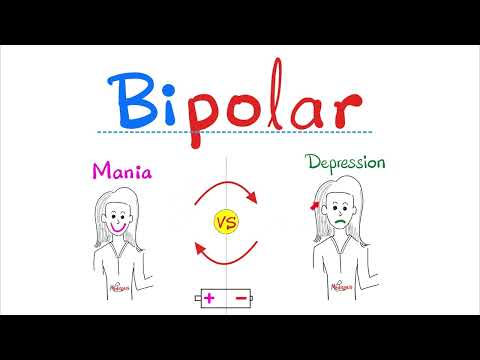
Bipolar Type 1, huh? It’s one of those conditions people often get wrong. They think it’s just mood swings, but it’s so much more than that.
You’ve got these intense highs, called mania, where everything feels electric. Then there are the lows—those heavy, dark moments that can feel like you’re stuck in quicksand.
It’s like riding a rollercoaster with no end in sight. Sometimes you’re on top of the world, and other times, it feels like the world is crashing down around you.
Ever felt like your emotions were beyond your control? That’s kind of what it’s like living with Bipolar Type 1. It creates this wild emotional landscape that can be tough to navigate.
So, let’s chat about what this really means for those who experience it and those who care about them. There’s a lot to unpack here!
Identifying Bipolar Disorder: Key Signs and Self-Assessment Strategies
So, let’s talk about bipolar disorder. It’s one of those things that can sound really complicated, but it often boils down to some key signs and self-assessment strategies you can think about. In particular, we’ll focus on bipolar type 1, which is marked by extreme mood swings that swing from manic highs to depressive lows.
First off, what are the key signs? You might notice these changes in yourself or someone close:
- Manic episodes: This is when a person feels super energetic and overly happy. They might talk really fast and feel like they can take on the world. It often comes with a decreased need for sleep. Imagine staying up all night planning how to launch a rocket!
- Depressive episodes: On the flip side, these can feel like being stuck in quicksand. You might feel hopeless, lose interest in things you usually enjoy, and have trouble sleeping or eating.
- Cycling moods: The time between those manic and depressive episodes can vary greatly. Some people cycle rapidly within days, while others might stay in one phase for months.
- Irritability: During either episode, you could notice being easily annoyed or angry more than usual.
Now, if you think you’re experiencing some of this stuff—or maybe someone close to you is—self-assessment strategies can be helpful. Here are a few suggestions:
- Mood tracking: Start keeping a diary or using an app to jot down your feelings daily. This helps identify patterns over time.
- Talk with trusted friends: Sometimes a buddy can see things more clearly than we do ourselves. If they say something seems off with your moods, it’s worth considering.
- Avoid substances: Alcohol or drugs can mess with your moods big time! Cutting back could help see clearer patterns without added interference.
You know what’s wild? I once heard about a guy who had no idea he was bipolar until he started paying closer attention to his mood shifts after talking with friends and keeping track of his feelings in a journal. It was like turning on the lights in a dark room! He realized the highs felt great but were followed by crushing lows that left him bedridden for days.
If you find yourself resonating with these signs or experiences, it might be worth chatting with someone who knows their stuff—like a mental health professional—for support and direction. But remember that everyone experiences emotions differently; just because you feel something doesn’t immediately mean you’re bipolar. Your feelings are valid! Emotions are complex little creatures!
The thing is… identifying bipolar disorder isn’t always straightforward. Take your time observing your feelings and behaviors; understanding them takes practice but it could lead to better emotional landscapes.
Understanding Life with a Bipolar Partner: Insights and Strategies for Support
Understanding life with a partner who has bipolar disorder can be quite a journey. It’s like riding a rollercoaster that you didn’t know you signed up for. You experience high highs and low lows, and it can sometimes feel overwhelming. But don’t worry! Let’s break down what it’s like and how you can support them effectively.
First off, **what is bipolar disorder?** Bipolar disorder is characterized by shifts in mood, energy levels, and activity levels. These shifts can be pretty extreme, ranging from manic episodes—where your partner might feel euphoric or overly energetic—to depressive episodes, which can leave them feeling sad or lethargic. In simple terms, it’s like having two different emotional landscapes that your partner navigates through.
You might be asking yourself, how do these mood changes affect daily life? Well, here’s the thing: during manic phases, your partner might take on tons of projects or spend money impulsively. They could seem invincible and super creative! On the flip side, during depressive phases, they might withdraw from activities they usually love or struggle to get out of bed. This can really take a toll on both them and your relationship.
Now let’s talk about how you can support a bipolar partner.
Okay so let’s say you notice your partner becoming more energetic than usual—like they’re bouncing off the walls! Instead of jumping into panic mode or trying to rein them in right away, check in with them first. Ask questions like “How are you feeling?” Sometimes just being there to listen works wonders.
And when they hit those down moments—the ones where they seem unreachable—it’s crucial not to take their withdrawal personally. Instead of pushing harder for connection then—when nothing seems to work—just sit quietly with them if they’ll let you. Sometimes just existing together speaks volumes.
Another thing is communication! Be open about how you’re feeling too; it’s healthy for both of you. You could say something like “I love being here for you but I feel a bit lost sometimes.” That way you’re sharing the load together!
In short: **living with someone who has bipolar disorder requires compassion**, patience, and understanding from both partners. It’s absolutely essential to communicate openly and stay informed about their condition while recognizing that some days will be tougher than others.
To wrap this up: supporting someone with bipolar disorder isn’t just about managing crises; it’s also about celebrating those high moments together and navigating through the lows as partners in every sense of the word! Life’s ups and downs may feel intense at times; yet remember this journey can deepen intimacy if approached thoughtfully—you’re truly in this together!
Understanding Bipolar Disorder: Legal Implications and Rights in the Workplace
Bipolar disorder is one of those topics that, you know, often gets a little misunderstood. It’s not just about mood swings; it’s a complex condition with a range of emotional landscapes. So, when we talk about **Bipolar Type 1**, we’re diving into intense emotional highs (mania) and significant lows (depression). This can really affect someone’s daily life, especially in the workplace.
Now, let’s get into the nitty-gritty of legal implications and rights for folks dealing with bipolar disorder at work. It’s all about understanding how mental health connects with employment law.
First off, people with bipolar disorder are protected under laws like the **Americans with Disabilities Act (ADA)**. That means if your condition significantly limits your ability to perform certain job tasks, you have specific rights you can lean on. Here are some key points:
- Reasonable Accommodations: Employers may need to adjust work schedules or provide flexible hours to support you during tough times. For example, if someone needs to attend therapy sessions or manage medication side effects.
- Confidentiality: Your employer can’t just share your medical information without your consent. So, they should keep any discussions about your condition private.
- Protection Against Discrimination: If an employer tries to fire or demote you because of your bipolar disorder, that’s illegal! You have rights that protect you from such unfair treatment.
Let’s say you’re working at a company and during a manic episode, you might come off as overly energetic or even impulsive. This could lead coworkers or supervisors to misunderstand your actions. So it’s super important for employers and employees alike to foster an open dialogue about mental health.
But there are challenges too! Sometimes there might be a stigma attached. Colleagues may not fully get what bipolar disorder really means, leading to awkward situations or misunderstandings at work. Keep in mind that education plays a huge role in bridging this gap!
Another thing worth mentioning is that while the ADA provides protection, not every person with bipolar disorder will qualify as having a “disability” in all workplaces. It often depends on how severe the symptoms are and how they impact job performance.
In real-life scenarios, let’s consider someone named Jamie who has been diagnosed with Bipolar Type 1. At times when things are stable, Jamie can manage their workload efficiently and interact positively with coworkers. But during depressive episodes, motivation dips dramatically—this is where accommodations come into play! Maybe Jamie’s boss could allow them some time off while also adjusting deadlines here and there—not necessarily easy conversations but so needed for understanding.
In summary, navigating workplace dynamics while managing **Bipolar Type 1** involves knowing your rights and advocating for appropriate support when necessary. It helps not only individuals directly impacted by the disorder but also creates an inclusive environment where everyone feels understood.
So next time you think about mental health in the workplace remember: we’re all part of this journey together!
Bipolar Type 1 is one of those conditions that can feel a bit like a rollercoaster ride—up and down, twist and turns, and sometimes, it’s just hard to keep your hands on the safety bar. You know? The emotional landscapes can be vast and chaotic, with extreme highs (like that dizzying peak where everything feels possible) and gut-wrenching lows that can leave you feeling like you’re drowning.
Someone I knew once described their experience with bipolar as living in an emotional tempest. In the manic phases, they’d start projects at midnight, feeling like they could conquer the world, but by the time noon rolled around, they were scattered and exhausted. Then came the lows. Oh man—the kind of sadness that feels heavy in your chest like a lead weight. It’s not just about having a bad day; it’s like watching the sun fade away completely.
The brain’s chemical reactions really play a huge role here. It’s as if certain neurotransmitters are partying too hard during those manic phases, pushing everything into overdrive. But when things shift to depression, it’s like that party got shut down way too early—leaving emptiness behind.
People might think it’s all about mood swings; however, there’s more going on beneath the surface. Relationships can get complicated too. You might find yourself alienating friends or family members during those wild ups or feeling isolated during the downs—you can’t help but wonder if they’ll stick around for both sides of you.
Coping strategies often become essential since managing this emotional landscape is no small feat. Support systems—friends who “get” it or therapists who offer guidance—are critical because navigating bipolar means having someone alongside you through both storms and clear skies.
It’s an intricate dance of understanding oneself while also learning to communicate needs—both in manic moments when you feel invincible and in depressive states when even getting out of bed feels monumental.
So yeah, if you or someone close to you has Bipolar Type 1, remember it’s not just about moods flickering back and forth. It’s about finding ways to balance those emotional extremes while still holding on to some semblance of normalcy—and maybe even joy along the way!