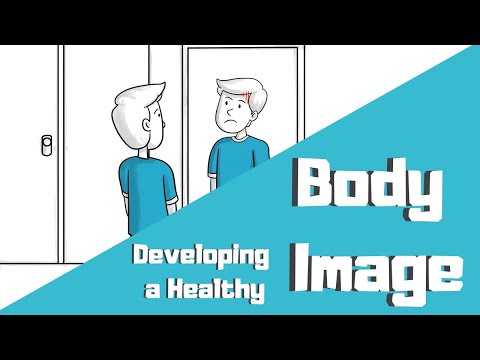
You know that feeling when you look in the mirror and just… don’t love what you see? Yeah, we’ve all been there. Body image is a tricky thing, right? It’s like a rollercoaster of emotions.
Sometimes you feel confident, and then, bam! A quick scroll through social media can flip the switch. You start comparing yourself to those perfect-looking pics and suddenly feel less than great.
But here’s the thing: it’s not just about looks. It’s all connected to how we see ourselves inside and out. Our thoughts, experiences, and even our culture shape our self-perception in pretty wild ways.
And it’s super important to chat about it! So let’s dig into body image and self-perception—trust me, this is gonna be enlightening!
Understanding When Girls Begin to Concern Themselves with Weight: Insights and Trends
Understanding when girls begin to concern themselves with weight is a pretty interesting topic, you know? It’s definitely not just about vanity; it has a lot to do with psychology, social influences, and development. Let’s break it down.
Firstly, many girls start to worry about their weight during adolescence. This is a time when they’re figuring out their identities and also facing societal expectations. Body image becomes super important around the ages of 9 to 14. For some, this could be linked to puberty. As their bodies change, they might feel pressure to fit certain ideals promoted by media and peers.
Another factor is the impact of media representation. You’ve probably noticed how often we see slim, tall models in magazines or on social media platforms. Research shows that exposure to these unrealistic standards can lead girls to question their own bodies and develop negative perceptions about themselves. Sometimes it feels like everyone else around them has the “perfect” body.
Peer influence is also significant at this age. Friend groups can really shape how a girl feels about her body. If friends are talking about diets or criticizing their looks, it can trigger similar concerns in others—even if they weren’t worrying before. And let’s face it, who doesn’t want acceptance from their friends?
Additionally, family dynamics play a role too. Girls might pick up on their parents’ attitudes towards body image and dieting. If home conversations frequently revolve around weight loss or appearance, kids can internalize those attitudes as well—like a kind of echo that shapes how they view themselves.
As they transition into late adolescence and early adulthood (around 16–20), these concerns might become more pronounced due to increased social pressures and life transitions like going off to college or entering the workforce. The thing is; the struggle often doesn’t end in adolescence—it can persist into adulthood too.
It’s vital for parents and guardians to foster positive conversations around body image from an early age. Instead of focusing solely on appearance or weight goals, encouraging healthy habits—like enjoying physical activity for fun or celebrating what bodies can do—can help shift focus away from restrictive standards.
Ultimately, understanding when girls start worrying about their weight involves looking at various overlapping factors: biological changes, media influences, peer pressure, and family beliefs all contribute significantly. It’s a complex web that shapes self-perception during such an impressionable time!
Exploring the Four Types of Self-Esteem: A Comprehensive Guide
When we talk about self-esteem, it’s a big deal because it affects how we see ourselves, and that can influence our actions, feelings, and even our relationships. Ever notice how sometimes you feel super confident and other times you’re just not feeling it? That’s your self-esteem playing a huge role! So let’s explore the four types of self-esteem and how they relate to body image and self-perception.
First off, we have high self-esteem. This is when you generally feel good about yourself. You know your worth and aren’t overly affected by criticism. Imagine someone who can walk into a room, smile, and confidently share their thoughts without worrying too much about others’ opinions. They’re comfortable in their skin, which definitely ties into having a positive body image!
Then there’s low self-esteem. People with low self-esteem often feel unworthy or inadequate. Think about that friend who always criticizes their appearance or feels they don’t measure up to others. They might avoid social situations or be overly sensitive to feedback. This negative perception can create a vicious cycle where they continue to see themselves through a distorted lens.
The third type is inflated self-esteem. Now this one can be tricky. Folks with inflated self-esteem often have an exaggerated view of themselves or might act arrogantly. Picture someone who struts around acting like they’re the best at everything—sometimes, this is actually a cover for their insecurities! It can lead to problems in relationships because if you think you’re better than everyone else, you might miss out on genuine connections.
Finally, we have deflated self-esteem. This isn’t just low self-esteem but more like a severe case where someone feels worthless or hopeless. It’s like being stuck in a dark place without seeing any way out. You might know someone who feels like nothing they do matters; this kind of perception can heavily impact their mental health and view of their own body.
Your body image—how you see your own body—plays into all these types of self-esteem too! If you’ve got high self-esteem, you’re likely to embrace your unique features more than someone with low or deflated esteem. Maybe you remember that time before summer when everyone was worried about fitting into swimsuits? The folks with higher confidence tended to own it better.
This all boils down to understanding that these types of self-esteem are not set in stone. They fluctuate based on experiences, environments, and even relationships! Recognizing what type resonates with you can really help in reshaping your outlook on life—and hey—your body image too.
If there’s anything important from this chat about self-esteem it’s that awareness is key! The way you validate yourself matters more than what anyone else thinks. So next time you’re feeling unsure about yourself, take a moment to reflect on your type of esteem; it just might bring some clarity!
Understanding Body Image Theory in Psychology: Key Concepts and Implications
Body image is like that inner voice we all have about how we see ourselves. It’s influenced by a ton of factors, like culture, media, and personal experiences. In psychology, understanding body image is super important because it can totally affect your mental health and self-esteem.
One key concept to grasp here is self-perception. This refers to how you view yourself in various aspects—physically but also emotionally and socially. If you think you’re unattractive or not fit enough, it can spiral into feelings of inadequacy. And that’s often where issues like anxiety or depression come in.
Then there’s the idea of social comparison. You know those moments when you look at someone else and think, “Wow, they are so much better-looking than I am”? That’s social comparison at play. We often measure ourselves against others and it can be pretty damaging if we only focus on the negatives.
Also, let’s chat about sociocultural influences. The crazy standards portrayed in magazines or on Instagram? Those unrealistic ideals can mess with our heads. When society pushes a certain body type as being ideal—think slimness or muscularity—it can lead people to feel they don’t measure up. It makes sense why so many folks struggle with body image issues today.
Now, here’s where things get a bit emotional. Imagine someone who’s always been teased for their weight. As they grow up, they might develop an unhealthy relationship with food and exercise in an effort to fit that mold society has set for them. It’s heartbreaking because it affects their happiness and relationships too.
So what about the implications? Poor body image isn’t just surface-level stuff; it dives deep into your psyche! It can lead to serious conditions like eating disorders, anxiety disorders, and even depression. These issues aren’t just personal struggles—they’re community concerns as well.
But there’s hope! Breaking the cycle often starts with education around body positivity and acceptance. Learning to appreciate yourself beyond physical traits opens doors to better mental health and well-being.
In summary, understanding body image theory helps us see why so many people battle negative self-perceptions every day. It’s about recognizing the internal struggles influenced by external pressures—and ultimately promoting a healthier relationship with ourselves!
Body image and self-perception are like those sneaky, invisible threads that weave through our daily lives, influencing how we feel about ourselves and how we interact with the world. You know, I remember back in high school, I’d look in the mirror and just feel… off. It didn’t matter what I wore or how my hair looked; there was this constant feeling of not measuring up. Maybe you’ve felt something similar?
So, what’s going on beneath the surface? Body image is basically how you see yourself when you look in the mirror or think about your body. It’s not just about size or shape—it’s also tied to your feelings and thoughts about those physical attributes. And let me tell you, it can swing like a pendulum! Some days, you might feel confident and strong, while other days, it feels like your mind is throwing a parade of insecurities.
Self-perception goes hand in hand with body image. It shapes how you view your worth as a person. If you’re stuck in a cycle of negative thoughts about your body, it can seep into your overall self-esteem. I mean, think about it: if you constantly feel bad about what you see in the mirror, that can affect everything from how you interact at work to whether or not you go out with friends.
What really complicates things is society’s influence. Social media’s full of perfect bodies—filtered and edited to an inch of their life—and it can be hard not to compare yourself to those images. Like when you’re scrolling through Instagram eating pizza at 2 AM; suddenly everyone seems flawless while you’re over here thinking that slice might as well have been pure guilt!
Honestly though, it’s important to remember that real beauty isn’t just skin deep. We all have our unique quirks that make us who we are! But changing your mindset takes time and effort because these ingrained beliefs are often hard to shake off.
It might help to focus on things that make you proud of yourself beyond appearance—like talents or accomplishments you’ve achieved—and embrace those elements instead. Surrounding yourself with positive people who lift you up helps too because let’s face it—nobody wants a friend constantly pointing out flaws.
In short, body image and self-perception are complex concepts intertwined with our emotions and environment. They impact our mental health more than we realize! So next time you’re feeling low when looking at your reflection (or scrolling through social media), remember you’re more than just a number on a scale or a snapshot online—you’re so much more than that!