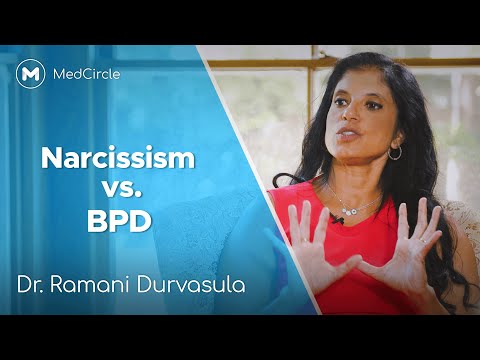
Hey there! So, let’s chat about something that’s a bit of a wild ride—borderline narcissism.
Yeah, you heard that right. It’s like a mix of two very different worlds. People with these traits can be both charming and totally tough to deal with.
Imagine someone who craves attention but also fears abandonment. Confusing, huh?
You might know someone like this or maybe you’ve experienced it yourself. It can feel like walking on eggshells sometimes!
Anyway, understanding these traits can help you navigate the stormy waters of relationships. Trust me; it’s worth taking a closer look!
Exploring the Intersection of Borderline and Narcissistic Personality Disorders: Can One Individual Exhibit Both?
Borderline Personality Disorder (BPD) and Narcissistic Personality Disorder (NPD) are two complex mental health conditions that can sometimes overlap, creating a unique set of challenges for those who might exhibit signs of both. So, can one person really have both? Yes, absolutely. It’s more common than you might think!
People with BPD often experience intense emotions and have unstable relationships. You might feel like you’re on an emotional rollercoaster, where one moment you’re super happy and the next you’re feeling utterly alone. This instability can lead to impulsive behaviors or a fear of abandonment. Picture someone having an argument with a friend—you know, where they go from laughing together to feeling completely rejected in a blink? That’s BPD in action.
On the flip side, NPD is all about self-importance, a need for admiration, and a lack of empathy for others. Individuals with narcissistic traits might believe they’re special and deserve more attention or praise than anyone else. They often seek validation but struggle to connect authentically with others because, well, they’re too focused on themselves.
Now when we talk about borderline narcissism, we see how these two disorders can blend together in an individual’s personality. Here are some key points to consider:
- Emotional Instability: Someone may experience the emotional ups and downs of BPD while also craving validation like someone with NPD.
- Interpersonal Relationships: These individuals may push others away due to fears of abandonment while simultaneously demanding constant attention.
- Self-Image Issues: You could see an individual fluctuating between feeling like the best person in the room one moment and terribly unworthy the next.
- Lack of Empathy: While BPD can involve deep empathy at times (often leading to being overwhelmed by others’ feelings), narcissistic traits might lead them to neglect those feelings when it suits them.
Here’s an example: Imagine someone who feels utterly devastated when their partner seems upset (borderline) but then quickly shifts gears to criticize their partner harshly for not giving them enough attention (narcissistic). It’s this whirlwind of emotions that makes life complicated.
Another important aspect is how treatment plays out for those showing traits from both disorders. Traditional therapies may have varying degrees of success because each disorder has different focuses—BPD often looks at relationship patterns and emotional regulation while NPD tackles self-image issues and interpersonal dynamics.
The journey through understanding borderline narcissism isn’t easy; it involves patience from both the person experiencing these traits and those around them. Support systems play a critical role here—having friends or family who understand these intricacies can make a world of difference.
So yeah, navigating life with traits from both BPD and NPD isn’t straightforward at all—it requires awareness and understanding from everyone involved!
Understanding Borderline Narcissistic Symptoms: Key Insights and Implications
Borderline narcissism can be a tricky topic. It sort of blends traits from both borderline personality disorder and narcissistic personality disorder. So, let’s break it down a bit.
When we talk about **borderline narcissistic symptoms**, we’re looking at an emotional landscape that’s, well, pretty tumultuous. People with these symptoms often have a deep-seated fear of abandonment. One moment you might feel adored, and the next, left all alone. That rollercoaster can leave both you and the other person feeling dizzy.
Emotional instability is one of the hallmark traits here. You know how some days you wake up feeling on top of the world? Others, everything feels like it’s crashing down? For someone with borderline narcissism, these feelings can swing like a pendulum. This instability can lead to intense relationships that go from admiration to anger in record time.
Another key aspect is their **self-image**—it’s usually pretty fragile. They may crave admiration and validation but can also experience deep shame and insecurity about who they are. So they might flaunt their achievements or dodge criticism like it’s a bad habit, constantly seeking that external boost while struggling internally.
Now, let’s get into some behaviors you might spot:
- Attention-seeking: They often need to be the center of attention, but it’s not just about vanity; it’s tied to their self-worth.
- Fear of abandonment: Even minor shifts in attention from others can trigger massive anxiety.
- Emotional outbursts: When they feel overlooked or insulted, reactions might be way out of proportion to what actually happened.
- Idealization & devaluation: One minute you’re their best friend; the next minute you’re cut off because they feel betrayed or let down in some way.
A personal story might help paint this picture better—imagine being friends with someone who always wants your approval but flips out if you don’t respond immediately to texts or calls. It feels like walking on eggshells! You find yourself constantly trying to make them happy because you’re aware that if they’re upset, they could lash out unexpectedly.
One implication of understanding these symptoms is recognizing how it affects relationships—not just for those living with those traits but for everyone around them too. Friends and family members often end up feeling drained or confused by the constant emotional swings.
Communication becomes super important here. Talking openly about feelings and concerns—without judgment—can help navigate those choppy waters. It won’t fix everything but setting boundaries while still being supportive could lead to healthier interactions over time.
In short, while borderline narcissistic symptoms weave a complicated web of emotions and behaviors, knowing what’s going on helps everyone involved understand each other better and hopefully foster more meaningful connections without losing your own sense of self along the way!
Identify Narcissistic and Borderline Traits: Take Our Comprehensive Quiz
When you’re trying to understand complex personality traits like those found in Narcissistic and Borderline Personality Disorders, it can feel a bit overwhelming. But breaking it down can really help! Let’s chat about some common traits that might pop up.
Narcissistic Traits often include:
- Grandiosity: People might see themselves as superior or more important than others. Like, have you met someone who constantly brags about their accomplishments? Yep, that’s classic narcissism.
- Lack of Empathy: They might struggle to understand others’ feelings. Picture a friend who only talks about their problems without ever asking how you are. Frustrating, right?
- Need for Admiration: They often crave validation and attention. If they don’t get it, they can become upset or angry.
Now, on the flip side, let’s look at some Borderline Traits. These can be quite different but just as challenging:
- Emotional Instability: People with borderline traits often have intense mood swings. One minute they’re on top of the world, and the next they’re feeling empty or angry.
- Sensitivity to Rejection: Even a small critique can feel like a huge blow. It’s like walking on eggshells around them sometimes!
- Fear of Abandonment: They may experience extreme reactions to perceived abandonment. Like when a friend cancels plans at the last minute, the response could be overly dramatic instead of understanding.
Narcissism and borderline traits can actually overlap! People with both sets of traits may struggle with self-esteem issues while also demanding admiration from others. Imagine someone who constantly seeks compliments but reacts poorly when they don’t receive them—it’s a tough mix!
If you’re considering taking a quiz to identify these traits in yourself or someone else, keep in mind that these quizzes can help raise awareness but aren’t substitutes for professional support. Sometimes just recognizing patterns is the first step toward better understanding!
The emotions involved in navigating these traits are no joke—whether it’s feeling drained from interactions with someone who’s narcissistic or dealing with the rollercoaster emotions from borderline traits, it’s tricky business. But learning more about them? That’s empowering!
If you’re curious or concerned about you or someone around you exhibiting these traits, reaching out for more resources could lead you down a clearer path of understanding.
Borderline narcissism, huh? Sounds pretty heavy, but it’s really just a way to talk about certain traits and behaviors that can mess with relationships and self-perception. So, imagine you’re hanging out with someone who is charming one moment and kind of self-centered the next. You might feel like you’re on a rollercoaster ride—thrilling but also a bit scary.
People exhibiting these traits often have this intense need for validation. It’s like they want constant reassurance that they matter, but they can swing from feeling super important to feeling worthless in the blink of an eye. It’s exhausting! I once had a friend who could light up a room with their energy, but when they didn’t get the attention they craved, you could see their mood drop like a rock. I felt helpless sometimes because every compliment I gave seemed to vanish into thin air.
Now, let’s talk about the challenges. When someone struggles with borderline narcissism, it can lead to rocky relationships. Sometimes they’re overly sensitive to criticism, which makes it hard to express concerns without triggering those intense emotional responses. You know how it feels when someone misinterprets your intentions? It creates confusion and frustration on both sides.
But hey, there’s often more beneath the surface. Many folks dealing with these traits may be wrestling with insecurities or past trauma that influences how they interact with others. So it’s not always about being selfish; sometimes it’s about being scared or feeling unworthy.
Navigating interactions with someone who has borderline narcissistic traits might require some patience and understanding on your part too. Establishing boundaries can help you protect your own mental space while still being supportive.
At the end of the day, relationships are complex—you’re not just dealing with surface-level behaviors but also deep emotional patterns and needs that influence how people act. And that’s what makes human interaction both incredibly frustrating yet fascinating!