Okay, so let’s chat about something that might sound a bit heavy but is super important. Borderline Personality Disorder, or BPD for short, is one of those terms you’ve probably heard tossed around, right? It can feel like a mystery sometimes.
Imagine feeling like your emotions are on a rollercoaster—up and down, all over the place. That’s just a glimpse of what folks with BPD experience. And trust me, it can be tough to understand from the outside looking in.
Now, the DSM-5—the big book of mental health disorders—has its own way of talking about this. But it’s not just about the labels; it’s about real people dealing with real challenges.
So grab a comfy seat! We’re diving into what BPD means in today’s world.
Understanding DSM-5 Criteria for Borderline Personality Disorder: A Comprehensive Guide
Borderline Personality Disorder, often referred to as BPD, is a pretty complex mental health condition. It’s not just about mood swings; there’s so much more to it, and the DSM-5 lays out specific criteria to help us understand it better.
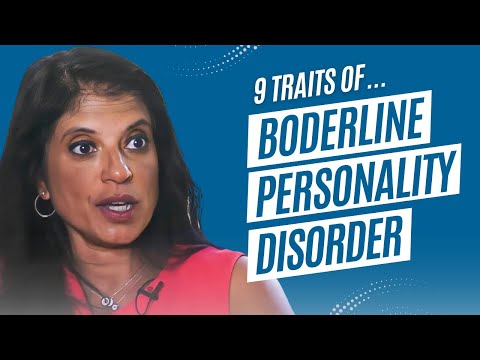
The DSM-5 is basically a big book that mental health professionals use for diagnosing various mental disorders. For BPD, it has **nine key criteria**, which you have to meet at least five of to get that diagnosis. Let’s break them down:
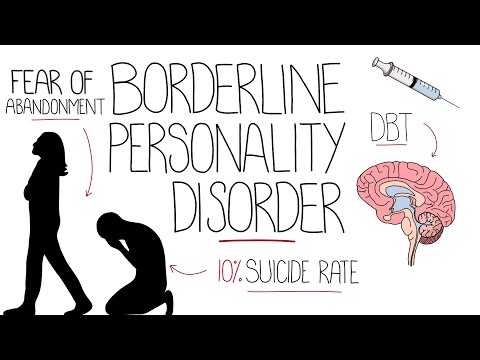
- Intense fear of abandonment: People with BPD often go to great lengths to avoid real or imagined abandonment. It could be as simple as freaking out if a friend doesn’t text back right away.
- Unstable relationships: Relationships can swing from one extreme to another—idealizing someone one minute, then thinking they’re terrible the next. You might experience this with friends or partners.
- Identity disturbance: This isn’t just about having an off day; it’s like feeling unsure of who you really are all the time. You might feel like your sense of self shifts constantly.
- Impulsivity: Think spending money irresponsibly, binge eating, or risky sexual behavior. Basically, acting on impulse without thinking about the consequences.
- Recurrent suicidal behavior: This can include threats or attempts at suicide or self-harm behaviors. It’s super serious and usually stems from intense emotional pain.
- Affective instability: This means experiencing intense emotions that can change very quickly—like going from happy to really sad in a matter of minutes.
- Chronic feelings of emptiness: A constant feeling like you’re missing something inside you—a void, almost—as though nothing truly satisfies you.
- Inappropriate anger: It can escalate quickly! You may find yourself getting angry over little things or having difficulty controlling your anger when something upsets you.
- Transient stress-related paranoid ideation:This means sometimes feeling paranoid or disconnected from reality during stressful situations—not all the time but when emotions run high.
So, what does this look like in real life? Imagine having a friend who seems super passionate and loving one moment but then distances themselves when they feel overwhelmed by their emotions—like they flip a switch. Or think about someone who feels empty inside and engages in reckless behavior just to feel something.
It’s essential not to oversimplify BPD or dismiss it as just being «moody.» The emotional turmoil people face is genuine and often really hard for them and their loved ones. It affects how they think about themselves and others.
In terms of treatment options, skills-based approaches like Dialectical Behavior Therapy (DBT) have shown promise in helping people navigate their feelings better and build healthier relationships.
Understanding these criteria is crucial for anyone looking to wrap their head around Borderline Personality Disorder because it gives insight into how someone might perceive the world and interact with those around them. Recognizing these patterns can foster empathy, acceptance, and hopefully encourage those affected by BPD to seek support if needed!
Comprehensive Guide to DSM-5 Borderline Personality Disorder: Downloadable PDF Resource
Borderline Personality Disorder, often referred to as BPD, is one of those terms you might hear tossed around but not really get what it means. So, let’s break it down. According to the DSM-5 (that’s the Diagnostic and Statistical Manual of Mental Disorders), BPD is characterized by intense emotions, unstable relationships, and a shaky sense of self. Picture someone on an emotional rollercoaster—highs and lows that seem to come out of nowhere!
Here are some core symptoms:
- Intense Fear of Abandonment: People with BPD often go to great lengths to avoid being left alone. This can lead to frantic efforts to keep people close.
- Unstable Relationships: Relationships can be intense but unstable; they may idolize someone one moment and then suddenly feel angry or disappointed the next.
- Unclear Self-Image: There’s often a lack of a strong sense of identity. You might find yourself feeling like you don’t know who you really are.
- Impulsive Behavior: This includes risky activities like spending sprees or unsafe sex, which can lead to feelings of shame afterward.
- Emotional Intensity: Emotions often feel all-consuming—joy can turn into despair in an instant.
- Cognitive Distortions: Sometimes thoughts can become very black-and-white, where things are either all good or all bad.
Now, let’s talk about how this looks in real life. Imagine a friend who swings from being super excited about plans with you one day and then completely shuts down the next because they felt hurt over something small—like a text not being answered right away. That’s the kind of emotional fluctuation we’re talking about.
The DSM-5 lays out specific criteria that must be met for a diagnosis. You know, it’s like checking off boxes when figuring out if someone has BPD. If you’ve got at least five outta nine symptoms from that checklist mentioned above, then BPD might be considered.
Treatment options vary, but many find help through therapy approaches like Dialectical Behavioral Therapy (DBT). It focuses on teaching skills for emotional regulation and interpersonal effectiveness—that’s just fancy talk for learning how to manage those big feelings and better handle relationships.
It’s important to remember that this disorder isn’t someone’s fault; it’s often rooted in complex factors including genetics, environment, and past experiences—like childhood trauma or neglect.
In recent years, there have been strides in understanding how trauma impacts people with BPD. Trauma-informed care acknowledges these experiences and emphasizes compassion in treatment.
So if you’re interested in more detailed info or perhaps need resources for someone living with BPD (or yourself) there are downloadable PDFs available online via mental health organizations—it’s worth checking out! They break down concepts further and offer additional support strategies.
BPD might sound intimidating at first glance—it doesn’t define anyone entirely! With the right support and treatment, many individuals navigate life more effectively every day.
Understanding the Types of Borderline Personality Disorder According to DSM-5: A Comprehensive Guide
Borderline Personality Disorder, or BPD, is often misunderstood. You might know someone who has it or maybe you’ve read about it. But what does the DSM-5 say about it? The **Diagnostic and Statistical Manual of Mental Disorders (DSM-5)** classifies BPD as a pattern of instability in interpersonal relationships, self-image, and emotions. It also includes impulsivity.
So, here’s the deal: there aren’t «types» of BPD per se, but the symptoms can manifest in different ways across individuals. Let’s break down some key characteristics:
- Emotional Instability: People with BPD experience intense emotions that can shift rapidly. It’s like being on a roller coaster—on some days you feel on top of the world, while others can feel like you’re deep in a pit.
- Fear of Abandonment: Many who struggle with BPD have a huge fear of being left alone or abandoned. This might lead to frantic efforts to avoid abandonment—even when it’s just a perceived threat.
- Unstable Relationships: Relationships can be very intense but short-lived. You might see idealization followed by devaluation—where someone is viewed as perfect one moment and completely flawed the next.
- Impulsivity: This could show up as reckless spending, binge eating, or even unsafe sex. The urge to act without thinking things through can bring serious consequences.
- Identity Disturbance: Some people with BPD struggle with their self-image or sense of self. They might feel empty or unsure about who they are at times.
- Difficulties with Anger: Anger issues are common—this could be having trouble controlling your temper or feelings of intense anger that don’t seem proportional to the situation.
- Chronic Feelings of Emptiness: There might always be this nagging feeling that something is missing inside, leading to a sense of emptiness.
- Paranoia or Dissociation: During stress, some may experience short episodes of paranoia or dissociation—a feeling like you’re watching yourself from outside your body.
A friend of mine once described her experience living with BPD as if she was constantly walking on a tightrope above a canyon. One little disturbance could either send her soaring into bliss or plummeting into despair. That kind of instability isn’t just tough for her; it’s tough for everyone around her too.
Treatment options vary widely and often include therapy techniques designed to help manage emotions and improve relationships. Dialectical Behavior Therapy (DBT) is particularly effective for managing symptoms related to distress tolerance and emotional regulation.
If you ever find yourself trying to understand someone with BPD—or coping with those symptoms yourself—it’s important to recognize that each person experiences these challenges differently. Just remember that empathy goes a long way in bridging those gaps!
So, let’s chat about Borderline Personality Disorder—or BPD, as it’s often called. It’s one of those terms you hear tossed around a lot, but there’s a lot more happening under the surface. This disorder is a real challenge for those who deal with it and for those around them too.
Now, in the DSM-5, which is like the big book of mental disorders that professionals use to diagnose folks, BPD has some specific criteria. It can include things like intense emotions that flip-flop every few minutes, fear of abandonment that feels overwhelming, and relationships that swing from really loving to super rocky. I once had a friend who would be totally devoted one day and then push people away the next—it was confusing!
What we often miss when discussing BPD is just how much pain people with this disorder genuinely experience. Imagine feeling like your emotions are on a rollercoaster ride that never stops. You might find yourself in constant chaos—feeling empty one moment and then an emotional storm the next. It’s exhausting! And often leads to impulsive decisions that folks might regret later.
There’s this idea that people with BPD are just being dramatic or overly sensitive—but it’s so much deeper than that. They’re often struggling with their sense of self, caught in cycles of self-doubt and identity confusion. Like, have you ever felt lost about who you are? Now imagine feeling like that all the time—it doesn’t sound fun at all.
In terms of relationships, people with BPD might have intense love-hate dynamics with friends or partners because they can swing between idealizing someone and then feeling hurt by them—not because they want to hurt anyone but because their emotions hijack their thoughts. That’s why support is crucial—you know? Having someone around who really understands can make a world of difference.
So when you’re looking at BPD through the lens of the DSM-5 context, it’s not just about ticking boxes or checking symptoms; it’s about recognizing the human experience behind those labels—the turmoil and depth of emotion that’s woven into everyday life for someone with this disorder. It serves as a reminder to approach mental health issues with compassion and empathy because everyone has their battles—some just happen to be more visible than others!