Hey there! You know those moments when you feel like your emotions are on a rollercoaster? One minute you’re up, feeling great, and the next you’re down in the dumps or even raging?
Well, that whirlwind of feelings can be a lot for anyone to handle. It’s like being on a wild ride where you can’t find the brakes.
Have you heard about borderline rage? This isn’t just your typical anger. It’s way more intense and confusing. It’s like having a storm brewing inside of you—unexpected and powerful.
So let’s chat about it. What causes this emotional turbulence? How does it feel? And, more importantly, how can we navigate through it all?
Understanding Borderline Rage: Insights and Strategies for Management
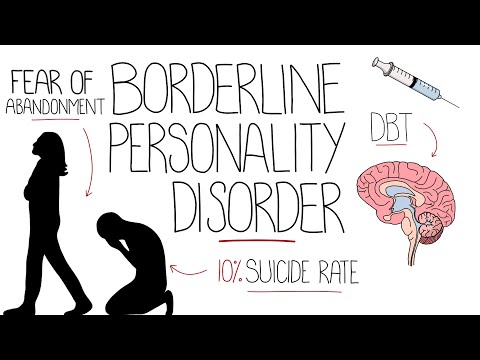
The topic of borderline rage can be super complex but totally important to understand. If you or someone you know has experienced this, it’s often tied to a condition called Borderline Personality Disorder (BPD). People with BPD feel emotions intensely, and this can lead to moments of rage that might seem disproportionate or sudden.
So, what really is borderline rage? Look, it often stems from feelings of abandonment, rejection, or even just being misunderstood. Imagine being in a situation where you feel like your voice isn’t heard. It’s like a pressure cooker; without an outlet, the steam builds up until something big happens.
When these moments hit, they can involve intense anger that seems to explode out of nowhere. It might be triggered by small incidents—a snide comment from a friend or even a forgotten text message. You might feel like you’re drowning in emotion, where frustration morphs into fury fast.
Anecdotally, think about how sometimes when you’re already feeling stressed with work or life stuff and your buddy cancels plans last minute? You get that surge of anger even though it’s not really about them—it’s all those bottled-up feelings spilling over.
Understanding this isn’t just about labeling someone as “angry.” Here are a few things that might help shed light on managing these moments:
- Recognize Triggers: Some people know what sets them off—like conflict over small things. If you can identify these triggers ahead of time, you’re already one step closer to figuring out how to cope.
- Breathe Deeply: I know it sounds simple—maybe even cliché—but taking deep breaths really helps calm those feelings flooding in. It gives you a moment before reacting.
- Practice Mindfulness: This is basically about staying in the moment without judgment. It sounds fancy but really just means noticing your thoughts and emotions as they come and go without letting them control you.
- Communicate Clearly: Sometimes during a rage episode, communication breaks down completely. If you’re feeling angry but can articulate what’s going on for you—even if it’s messy—that’s progress!
- Seek Support: Talking to someone who understands—or even counseling—can make a world of difference! Having that safe space to express those feelings matter.
It’s easy to get tangled up in the emotional whirlwind during those fiery moments. But keep in mind: understanding borderline rage isn’t just about containing it; it’s also about recognizing the underlying emotions driving that anger.
People often think once someone calms down, everything should return to normal right away—but that’s not always the case. After an episode passes, there can still be waves of guilt or shame that follow which need addressing too! So self-compassion is key.
Navigating these intense feelings takes practice and patience—both for yourself and others involved. The journey may seem daunting at times but remember: awareness is the first step toward managing emotions more effectively!
Understanding BPD Rage: The Impact of Emotional Dysregulation and Rage Eyes
So, let’s talk about BPD rage, which is a pretty intense emotional experience that people with Borderline Personality Disorder (BPD) can often face. It’s like their feelings are on a rollercoaster that never really stops!
At its core, **emotional dysregulation** is a huge part of what happens here. This means that the ability to manage emotions is kind of all over the place. One minute, things might be okay, and then bam! A small issue can spiral out into a massive emotional explosion. Imagine getting upset over a missed text or someone canceling plans—something that might feel minor to most can feel like a personal attack for someone dealing with BPD.
Rage in BPD isn’t just about anger; it’s often more complex than that. When someone with BPD feels mad, it can include feelings of abandonment or rejection. They might lash out verbally or even physically. This isn’t just moodiness; it’s like their emotions are magnified under a microscope and they can’t dial them down.
Now, here comes the interesting part: Ever heard of «rage eyes»? Yeah, this term refers to the wild look in someone’s eyes when they’re experiencing intense anger. For folks with BPD, this expression can become quite noticeable and alarming! It’s almost like their emotions spill out through their gaze. This can make interpersonal conflicts seem more heated than they actually are.
So why does this happen? Well, interpersonal relationships play a pivotal role here. People with BPD tend to see relationships in black-and-white terms—someone is either all good or all bad. This dichotomy makes any perceived slight feel overwhelmingly hurtful and leads to reactions that seem out of proportion.
Additionally, stress triggers often set off these emotional storms as well. For example, imagine you’re already having a rough day when someone forgets your coffee order—it could turn into an explosive reaction simply because it’s one more thing stacked onto everything else.
Let me give you an example: Picture your friend Jane who has BPD—she’s been feeling anxious at work all week. Then her partner forgets to call her back after they said they would chat. Instead of feeling just disappointed or annoyed like most people would, Jane might explode with rage—accusing them of not caring at all about her feelings and maybe even saying hurtful things she doesn’t truly mean.
It’s essential to recognize how **these patterns** affect not just those who have BPD but also their loved ones too! Relationships can feel turbulent for both sides because the rapid shifts in emotion create confusion and fear about what might happen next.
So yeah, understanding this aspect of BPD rage helps create space for empathy on both sides. By seeing that it stems from deep emotional pain rather than pure malice, it becomes easier to navigate these waters together without getting lost in chaos.
Recognizing these «rage eyes» isn’t just about spotting anger—it’s about understanding turmoil underneath that fierce exterior too! Anyone close to someone with BPD should take time to learn about emotional dysregulation so they can provide support while also keeping an eye on their own mental health in the process!
In summary:
- BPD rage stems from deep-seated fears of abandonment and rejection.
- Emotional dysregulation causes disproportionate reactions.
- «Rage eyes» signal intense emotional turmoil.
- Black-and-white thinking complicates interpersonal relationships.
- Coping strategies are crucial for both individuals with BPD and their loved ones.
Understanding this whole dynamic allows for better communication and reduces misunderstandings—all crucial for healing and connection!
Understanding the Borderline Rage Cycle: Causes, Effects, and Coping Strategies
Alright, let’s chat about something that can get pretty intense: the Borderline Rage Cycle. For people with borderline personality disorder (BPD), their emotions can feel like a rollercoaster ride, and rage plays a big part in that chaotic landscape. So, what causes this rage? How does it affect them and the people around them? And how can one cope with it?
The rage cycle often starts with feelings of abandonment or rejection. Imagine you’re hanging out with friends, and they suddenly turn their backs on you—it’s gut-wrenching! People with BPD may react very strongly to these feelings even if the situation isn’t as dire as it seems. It could trigger anger and frustration that’s like a volcano ready to erupt.
So, what about the effects? Anger in BPD isn’t just a brief flash of irritation; it can spiral out of control. Here’s how:
- Emotional volatility: They might go from calm to furious in seconds.
- Impulsive actions: This can lead to regrettable decisions, like shouting at loved ones or acting out in public.
- Relationship strain: It’s tough on friendships and romantic partnerships; many feel confused or hurt by these emotional swings.
You’re probably thinking, ‘That sounds rough!’ But there are ways to cope with this cycle. For one thing, awareness is key. Knowing when anger starts brewing can help grab hold of those emotions before they explode. Another thing that helps is having some strategies ready—like taking deep breaths or stepping away for a little while to cool off.
A few coping strategies include:
- Meditation and mindfulness: It sounds cliché but focusing on the present moment really helps ground those overwhelming feelings.
- Talking about emotions: Sharing feelings without judgment can make all the difference—like an emotional detox!
- Seeking professional support: This isn’t just for therapy; it’s about finding someone who gets it and can help navigate those turbulent waters.
Anecdotally speaking, I remember chatting with a friend who had such experiences. After a heated argument fueled by jealousy, they found themselves regretting hurtful words said in the heat of anger. It was like watching someone realize they accidentally spilled paint all over their masterpiece; there wasn’t an easy way to fix it afterward. This cycle of anger not only hurt their partner but also left them feeling empty afterward—a tough lesson learned!
The bottom line is that understanding the borderline rage cycle, its causes, effects, and ways to cope can be a game changer for both individuals experiencing these intense emotions and those around them. Navigating this road may be challenging sometimes, but awareness makes all the difference!
Emotional turmoil is such a complex beast, especially when it comes to understanding something like borderline rage. Picture this: you’re hanging out with a friend, and they suddenly snap over something small. It’s confusing, right? You think, “Wasn’t this just a lighthearted chat?” But for someone experiencing borderline personality disorder (BPD), those emotions can feel like a tidal wave crashing down without warning.
So let’s break this down a bit. People with BPD often struggle with intense emotions and can experience rage that seems disproportionate to the situation at hand. It’s not just about being angry; it’s more like their feelings are amplified to an extreme level. This anger can come from feeling abandoned, misunderstood, or even just overwhelmed by their own thoughts and feelings.
One time, I was talking to a friend who had been diagnosed with BPD. They described how sometimes they would feel so intensely that it was like blacking out from the anger—everything else faded away. They weren’t proud of those moments and often felt guilt afterward. Can you imagine feeling both this intense rage and then realizing the fallout? It’s like being on a rollercoaster that suddenly goes off the rails.
The struggles don’t end there. That emotional rollercoaster doesn’t just affect them; it spills over into relationships too. Friends might feel lost or confused, wondering how to help or if they’re even doing something wrong. The thing is, it’s complicated—the ups and downs aren’t always easy to predict or control.
And here’s where empathy comes in handy! Understanding borderine rage isn’t about excusing behaviors but rather recognizing that these emotions stem from deeper vulnerabilities and fears of abandonment or rejection. People experiencing this kind of emotional turmoil often need patience as much as understanding—letting them know that it’s okay to feel what they’re feeling while helping them identify healthier ways to express their emotions.
So yeah, understanding all of this can be tough! But dropping those judgments and approaching conversations with kindness makes all the difference in the world—it can be life-changing for everyone involved!