You know, mental health can be kind of a maze sometimes. Seriously, when you throw different conditions into the mix, things can get really complicated.
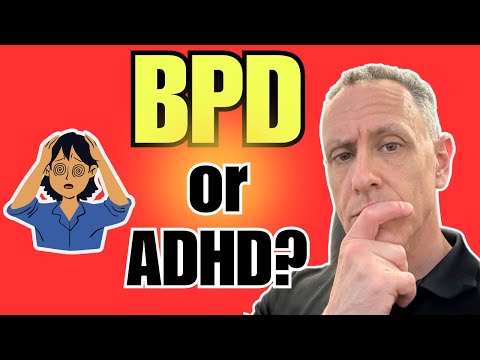
Take Borderline Personality Disorder (BPD) and Attention-Deficit/Hyperactivity Disorder (ADHD), for example. They both come with their own baggage. But what happens when they start hanging out together? It’s a whole different ballgame.
Imagine feeling super intense emotions one minute, and then struggling to focus the next. It’s like riding a rollercoaster while trying to read a book! That’s life for some people dealing with both BPD and ADHD.
So, let’s chat about how these two can play off each other, how they affect daily life, and what that all means for anyone caught in this whirlwind. Ready?
Understanding the Intersection of BPD and ADHD: Symptoms, Challenges, and Treatment Options
Understanding the connection between Borderline Personality Disorder (BPD) and Attention Deficit Hyperactivity Disorder (ADHD) can be really eye-opening. Both conditions can seriously affect how you feel, think, and interact with the world around you. If you’ve ever felt like juggling too many things in your head while also battling intense emotions, you’re not alone.
Symptoms of BPD can often include mood swings, fear of abandonment, difficulty maintaining relationships, and impulsive behaviors. You might find yourself feeling really happy one minute and then suddenly really down the next. This rollercoaster of emotions can be exhausting. An example could be when you receive a small criticism at work that sends your mood crashing down because it feels like rejection.
On the other hand, ADHD symptoms often center around issues with attention, hyperactivity, or impulsivity. So if you’re someone who struggles to focus on tasks or tends to jump from one activity to another without finishing anything, it’s pretty common with ADHD. Imagine sitting in a meeting where your mind is racing with thoughts about everything else except what’s being discussed—it’s frustrating!
When someone has both BPD and ADHD, the symptoms can sometimes intertwine in tricky ways. For instance, impulsivity might show up in both conditions but for different reasons. With BPD, it could come from a desire to escape emotional pain; whereas with ADHD, it might just stem from not being able to hold back urges. This overlap can make things complicated and lead to more significant challenges.
The challenges that come along with having both disorders can feel overwhelming at times. Maintaining stable relationships can be particularly tough because of shifting moods combined with difficulties focusing on others’ needs or feelings. You might find yourself missing social cues or saying something hurtful without meaning to—only later realizing how it affected someone close to you.
Then there’s the matter of Treatment Options. Approaches for these two disorders don’t always align perfectly since they have different underlying issues. Therapy options like Dialectical Behavior Therapy (DBT) are often effective for treating BPD as it focuses on emotional regulation and interpersonal skills—super helpful if your feelings run high! For ADHD, cognitive-behavioral therapy (CBT) or medication might be recommended to help manage attention issues.
It’s crucial for treatment plans to take into account both disorders simultaneously because ignoring one while addressing the other might not yield much success. A mental health professional who understands this complicated blend is key! They can help tailor strategies that fit your unique situation.
It’s kind of like trying to climb a mountain: if you’re equipped only for one side of the terrain but facing both rocky and slippery paths at once? You may end up sliding down more than climbing up! Understanding this interplay between BPD and ADHD is essential so that coping strategies are well-rounded.
In short—and I mean this as simply as possible—recognizing how these two conditions affect each other helps in getting effective support and managing life better! If you’re navigating through such challenges yourself or know someone who is: hang in there! Awareness is half the battle; figuring out what works best is where real progress begins.
Navigating Romantic Relationships: ADHD and Borderline Personality Disorder Insights
Navigating romantic relationships can be tricky for anyone, but when ADHD (Attention Deficit Hyperactivity Disorder) and BPD (Borderline Personality Disorder) come into play, it can feel like you’re on a rollercoaster with no safety bar! Both conditions have unique challenges that can impact how people relate to each other. So, let’s break it down a bit.
Understanding ADHD
ADHD is often marked by issues with attention, impulse control, and hyperactivity. Imagine you’re trying to focus during a conversation but your mind keeps wandering. You might miss important cues from your partner or say something impulsive that you didn’t really mean. It’s not that you don’t care; it’s just how your brain works sometimes!
People with ADHD often struggle with organization too. Picture planning a weekend getaway: when one partner has ADHD, they might forget important details or get sidetracked by a new idea—like taking a spontaneous detour to see that quirky roadside attraction instead of sticking to the plan.
Understanding BPD
On the flip side, BPD involves intense emotions and unstable relationships. It’s like riding an emotional seesaw—one minute everything feels perfect, and the next moment, you’re questioning everything. People with BPD may experience deep fear of abandonment which can lead to clinginess or even drastic changes in how they perceive their partner.
Imagine someone feeling on top of the world one day and then suddenly feeling rejected over a missed text reply—that jolt can trigger those feelings of abandonment or anger. That emotional intensity makes communication super crucial in these relationships.
The Interplay Between ADHD and BPD
When someone has both ADHD and BPD in a relationship, things can get even more complex. For example:
- Impulsivity from ADHD might clash with emotional reactions from BPD.
- Miscommunication could increase if one partner forgets important dates while the other struggles with feelings of insecurity.
- The rapid shifts in mood from someone with BPD may feel overwhelming for their partner who has ADHD.
It’s like trying to solve two puzzles at once while both pieces are moving around!
Communication is Key
So what do you do? Communication is everything. It helps clarify intentions and feelings. If you find yourself reacting strongly to something small, take a step back (it sounds easier than it is!). Expressing your feelings without blaming your partner can also help prevent misunderstandings.
For instance, instead of saying “You never listen!” try “I sometimes feel ignored when I’m talking about something important.” This simple shift helps maintain open lines of communication while reducing defensiveness.
Coping Strategies
Here are some strategies that could work well:
- Date nights: Make regular times for connection—even if it’s just watching your favorite show together.
- Check-ins: A quick check-in about how both partners are feeling can be grounding.
- Coping mechanisms: Both partners should explore personal coping methods; breathing exercises or grounding techniques could help if things get intense.
Finding balance takes time—and it requires patience from both sides. You’re not alone in this; many others face similar challenges!
With self-awareness and openness to support each other through this wild ride, navigating romantic relationships while dealing with ADHD and BPD doesn’t have to be impossible! Just remember: every relationship takes effort and understanding—especially when dealing with these unique dynamics.
Assessing BPD and ADHD: A Comprehensive Quiz to Identify Your Symptoms
Assessing symptoms of Borderline Personality Disorder (BPD) and Attention-Deficit/Hyperactivity Disorder (ADHD) can feel like trying to put together a puzzle. Both conditions share some similarities, and their overlapping features can make it tricky to pinpoint exactly what’s going on. So, let’s break it down without all the fancy jargon.
Both BPD and ADHD can lead to intense emotional experiences. With BPD, you might notice your feelings swinging from joy to despair in, like, no time flat. A friend of mine once told me about how one minute she felt loved and the next she was convinced everyone hated her. That’s a pretty classic sign of BPD—those ups and downs can be exhausting!
On the other hand, ADHD often comes with impulsiveness. Picture this: you’re trying to study for an exam, but suddenly you find yourself scrolling through social media for hours instead. The struggle to focus is real! It can be frustrating when your attention feels like it’s wandering off on its own.
Now, let’s talk about assessing these symptoms. It usually starts with a quiz or questionnaire that focuses on specific behaviors and feelings. You might ask yourself questions like:
- Do I find it hard to control my emotions?
- Do I experience frequent mood swings?
- Am I often impulsive in my decisions?
- Do I struggle to pay attention or focus on tasks?
- Do relationships feel unstable or intense for me?
Scoring high on several of these questions could hint at having traits associated with BPD or ADHD.
But there’s more! One key thing is understanding how these two disorders can interact with each other. For instance, someone with both might react intensely when they feel abandoned due to their emotional sensitivity from BPD—and then struggle even more because they get distracted easily due to ADHD. It’s like a loop where one condition feeds into the other.
Also, let’s keep in mind that diagnosing these conditions isn’t just about checking boxes on a quiz—it’s much deeper than that! A mental health professional usually looks at your history, current symptoms, and how they impact your daily life.
Sometimes people misinterpret impulsiveness as just being carefree or adventurous when it’s actually linked to ADHD or BPD traits. So you have this complicated mix where behaviors might seem similar but actually come from very different places.
In a nutshell, knowing what you’re dealing with is super important because it opens doors for understanding yourself better or seeking help if needed—without being stuck in confusion about what you’re feeling!
So if you think you see bits of yourself in these descriptions or quizzes? Maybe chat with someone who gets this stuff better than a random internet quiz could ever handle!
So, let’s talk about this whole thing with Borderline Personality Disorder (BPD) and Attention-Deficit/Hyperactivity Disorder (ADHD). It’s kind of a complex mix, you know? I mean, these two conditions can overlap in ways that really affect how someone experiences the world—both mentally and emotionally.
Imagine someone struggling with impulsive behavior. Picture your friend Alex—they’re always jumping from one idea to another, like, one minute they’re super excited about starting a new project, and the next they’re abandoning it for something completely different. That might sound like classic ADHD. But then add in some emotional intensity—maybe Alex feels abandoned by friends at the slightest issue or has quick mood swings. That’s where BPD starts to creep in. It’s like mixing two different colors; you get something unique and sometimes chaotic.
People often think of ADHD as just being “zoned out” or overly energetic. But when you toss BPD into the mix, it can magnify those feelings of emptiness or fear of abandonment. There’s often this push-and-pull situation happening in relationships for someone juggling both—one moment wanting connection and the next pushing people away because they feel overwhelmed by their own emotions.
There’s this anecdote I remember about a friend named Jamie who had both ADHD and traits of BPD. She’d have days where her energy was through the roof—like she was on top of the world! But then there were darker times when something small would set her off emotionally. One day her friend canceled plans at the last minute, and instead of feeling just disappointed, she went through this whirlwind of anger and sadness that left her feeling more isolated than ever. You could see how these two aspects fed into each other—it was such a tough place to be.
What’s fascinating is how people with these conditions sometimes end up being super creative or innovative thinkers because their minds are bouncing around so much! It’s like having extra colors on a painter’s palette—you can create some beautiful art but also face challenges with staying grounded.
So yeah, navigating life with both BPD and ADHD is no small feat. It can feel chaotic at times but also deeply enriching in its own way if that makes sense? Just understanding that interplay between impulsivity and emotional regulation offers a peek into an incredibly unique human experience. You follow me? There’s so much more to explore here than just symptoms on paper; it’s really about the lived realities behind them.