Okay, so here’s the deal. You ever find yourself confused about the difference between BPD and bipolar disorder? Seriously, it’s tricky.
Like, both involve mood swings, but they’re not the same at all. It’s like comparing apples to… uh, oranges? Anyway, knowing what each one really means can help you understand friends or family better—or even yourself.
Imagine someone who feels on top of the world one moment, then suddenly spirals down into despair. It’s intense! But figuring out why that happens can make all the difference in how we support them.
So let’s break it down together. We’ll separate these two and talk about their quirks. You with me? Great! Let’s get into it.
Comparing Bipolar Disorder and Borderline Personality Disorder: Understanding the Differences and Impacts
When it comes to mental health, there’s a lot of buzz around things like Bipolar Disorder and Borderline Personality Disorder (BPD). Even though they might seem similar at first glance, they’re actually pretty different. So let’s break it down, shall we?
Bipolar Disorder is mainly characterized by extreme mood swings. You’ve got your high-energy phases called mania or hypomania, and then there are the deep lows of depression. It’s like riding a rollercoaster that you didn’t sign up for! During the manic phase, you might feel invincible, super productive, and even a little reckless. In contrast, during a depressive episode, just getting out of bed can feel like climbing Mount Everest.
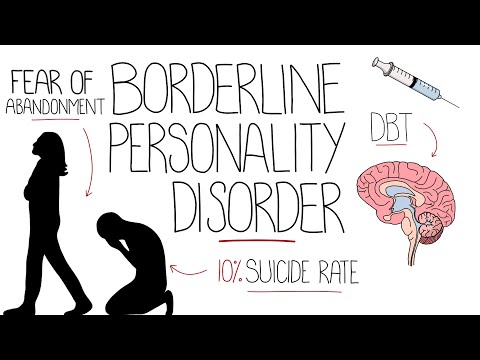
On the flip side, Borderline Personality Disorder is all about emotional instability and challenges with self-image. It’s like an emotional Ferris wheel that doesn’t stop spinning! People with BPD often experience intense emotions and have difficulty managing them. Relationships can be rocky because moods can shift rapidly over real or perceived abandonment. One minute you might feel on top of the world with someone, and the next minute you feel like they’re going to leave you forever.
Now let’s take a look at some key differences:
- Mood Patterns: With bipolar disorder, moods change over days or weeks. BPD moods can shift within hours!
- Self-Image: Folks with BPD often struggle with their sense of self; this isn’t usually the case with bipolar disorder.
- Relationship Issues: Relationships in BPD can be marked by intense fears of abandonment; in bipolar disorder, conflicts may arise more during mood episodes.
- Treatment Approaches: While both may benefit from therapy and medication, approaches differ based on symptoms.
But here’s the kicker: many people can have both disorders at once! This is known as “comorbidity,” which sounds way fancier than it actually is. When someone struggles with both conditions, it can complicate things even further.
Let me share a quick story—imagine Sarah who has BPD. One day she’s feeling really good about herself after scoring an awesome new job! But then she overhears her friend talking to someone else—just chatting—and suddenly she feels abandoned and starts texting frantically. That whirlwind could happen in just a couple of hours!
On the other hand, consider Jake who has bipolar disorder. He’s buzzing around his apartment on cloud nine one week because he just launched a successful project at work but then crashes hard into depression the next week where he barely leaves his bed for days.
Recognizing these differences is crucial—not just for diagnosis but for how people respond to treatment. Each condition requires understanding and tailored support to navigate life better.
So yeah, while Bipolar Disorder and Borderline Personality Disorder share some overlap in terms of emotional struggles folks face, they’re fundamentally different beasts altogether! Understanding what sets them apart can really help in finding effective ways to cope and manage each condition.
Understanding the Intersection of Borderline Personality Disorder and Bipolar Disorder: Can They Coexist?
Okay, let’s talk about Borderline Personality Disorder (BPD) and Bipolar Disorder. They’re two different mental health conditions, but sometimes they can look a lot alike. So, can they coexist? Absolutely! In fact, it happens more often than you might think.
BPD is all about intense emotions and unstable relationships. People with BPD may feel like their mood swings are all over the place. One moment, they could be feeling ecstatic, and the next, they might feel devastated. It’s kind of like riding a rollercoaster that never ends! Their sense of self might also shift dramatically depending on relationships with others.
Bipolar Disorder deals more with significant mood changes too, but these shifts are typically more structured. There are periods of extreme highs (manic episodes) and lows (depressive episodes). But the key difference? The mood cycles in bipolar disorder last much longer—like days or weeks—whereas BPD moods can change throughout the day.
Now here’s where it gets tricky. If someone has both BPD and Bipolar Disorder, it can be really challenging to tell which symptoms belong to which disorder. For instance:
- Mood episodes: A person might have rapid mood changes that seem like bipolar symptoms but could actually stem from their BPD.
- Interpersonal relationships: The intense fear of abandonment seen in BPD could lead to behaviors that mimic the impulsivity seen in manic phases of bipolar disorder.
- Self-image issues: Someone with BPD may struggle with their self-identity and have extreme emotions tied to how others perceive them; this could hamper their treatment for bipolar symptoms as well.
I once knew someone who was navigating both disorders at once. Their friends would see them as bubbly one moment—talking non-stop—and then suddenly withdrawn and sad just hours later. They felt confused not only about their moods but also how to fit into their social circle since the ups and downs made relationships pretty rocky.
The reality is that having both conditions makes it hard for healthcare providers too! They need to carefully evaluate what symptoms are present before jumping into treatment plans because certain interventions for one disorder might not work well for the other.
Treatment options often include therapy—like DBT (Dialectical Behavior Therapy) for BPD—or medications typically used for bipolar disorder. Finding a good balance can take some time since these disorders impact each other in complicated ways.
In summary: Yes, BPD and Bipolar Disorder can coexist, making distinguishing between them super important for effective treatment. It’s like trying to make sense of two musical scores playing at once—you have to listen closely! So if you or someone you know is dealing with this combination of challenges, understanding each part is key to finding harmony in mental health journeys!
Understanding BPD and Bipolar Disorder: Take Our Quiz to Identify Your Symptoms
Understanding BPD and Bipolar Disorder
When it comes to mental health, Borderline Personality Disorder (BPD) and Bipolar Disorder can sometimes look similar, but they are actually pretty different. It’s easy to get confused between the two because they both involve mood changes, but the triggers, duration, and symptoms often vary significantly.
BPD is mostly about intense emotions and unstable relationships. If you’ve ever found yourself feeling super happy one moment and then really upset the next, all based on something someone said or did? That’s kind of what BPD feels like. These mood swings can be quick—like taking just a few hours. You might also feel a fear of abandonment, leading to clinginess or difficulties in keeping relationships stable.
On the flip side, with Bipolar Disorder, the mood swings last much longer. You can experience manic episodes that last for days or weeks where you feel on top of the world—or even invincible! Then there are depressive episodes that can drag you down for a long time too. It’s like riding a roller coaster with very high highs and very low lows.
Let’s outline some key differences:
- Mood Changes: BPD moods change quickly; bipolar moods last longer.
- Triggers: BPD emotions are often triggered by interpersonal issues; bipolar changes are more internal.
- Self-Image: People with BPD struggle with self-image; bipolar disorder doesn’t necessarily affect your self-perception.
- Relationships: BPD may lead to tumultuous relationships; bipolar episodes can strain them due to mood fluctuations.
So if you think about a time when you felt totally energetic for days—maybe you had big goals and felt like nothing could stop you, only to crash into feeling sad or lost later—this could hint at bipolar disorder. But if your feelings swung after an argument with a friend, jumping from anger to deep sadness in a short time? That leans more towards BPD.
Taking quizzes online can help identify whether your symptoms lean towards one or the other. They often ask questions about your emotions, behaviors in relationships, and how long these feelings last. Just remember that while quizzes might give some insight, they’re not a substitute for talking to someone who knows their stuff—a professional.
It’s important to be aware of these distinctions because understanding your emotions better can change how you cope with them day-to-day. Everyone has their battles; having clear terms for what you’re experiencing can make those battles feel less isolating.
In summary: While both disorders involve emotional struggles, they manifest differently over time and through various triggers. Getting clarity on what’s happening inside you is crucial—and hey, talking it out with someone could really help make sense of it all!
Alright, let’s talk about Borderline Personality Disorder (BPD) and Bipolar Disorder. I know, the names sound a bit similar and can be a tad confusing. But trust me, they’re distinct in their own ways.
So, imagine you’ve got a friend who’s super lively one moment—laughing, full of energy—and then suddenly seems really downcast. This could be someone with bipolar disorder. They experience mood swings that can last for days or even weeks. It’s like being on a roller coaster; you’re up and then you’re down again before you know it.
Now, think about another friend who feels emotions like they’re on an emotional seesaw throughout the day. One minute they feel okay, and the next minute something small happens—maybe someone cancels plans—and boom! They’re in tears or furious. That’s more in line with BPD. People with this disorder often have intense emotional reactions and struggle with self-image and relationships.
A good way to remember is that bipolar disorder is about periods of extreme highs (mania) followed by lows (depression), while BPD has more of a turbulent day-to-day emotional landscape without those long-lasting mood episodes.
Let me tell you about a time when I was trying to help a close friend who was dealing with these issues. She’d sometimes call me at 2 AM crying because she felt so alone after an argument with her boyfriend, but then just hours later she’d be upbeat again, making all these wild plans for the weekend. It was hard for her to keep stable emotions, which was indicative of BPD.
On the flip side, I remember another buddy who would go through these big swings over several weeks; he’d go from feeling unstoppable to deep in a pit of despair because life just felt too heavy. That pattern made it pretty clear he was struggling with bipolar disorder.
So yeah, while they share some similarities—like feelings that can swing dramatically—they come from different places within us and affect people differently in their daily lives.
Recognizing what someone is going through is super important for supporting them effectively. It’s not just about labels; it’s really about understanding each person as an individual navigating their own emotional journey!