Hey there! So, have you heard about BPD Awareness Month? It’s a big deal for a lot of people. But what exactly does it mean?
Borderline Personality Disorder can be super challenging—not just for those who have it, but for their loved ones too. Seriously, the emotional rollercoaster is no joke!
Understanding BPD is like peeling an onion. There are layers to it, and with each one you reveal, you find more feelings and complexities. It’s tough but important work to really get what’s going on in someone’s mind.
This month is a chance to raise voices and shed light on those experiences. It’s not just about awareness; it’s about connection—and that matters more than we realize. Let’s dive into why this conversation is so crucial!
Understanding the Peak Symptoms of Borderline Personality Disorder: Key Insights and Timelines
Borderline Personality Disorder (BPD) can be like a rollercoaster of emotions for those living with it, and understanding the peak symptoms can really shed light on the complexities involved. So, let’s break this down, you know?
First off, what exactly is BPD? It’s a mental health condition that affects how someone thinks and feels about themselves and others. People with BPD often struggle with intense emotions, mood swings, and chaotic relationships. Imagine feeling like you’re on an emotional seesaw. One moment you’re up—happy, hopeful—and then suddenly down again—feeling abandoned or angry.
Now, let’s talk about those peak symptoms. The symptoms can vary widely in intensity and duration but here are some of the key ones to understand:
- Intense Emotional Swings: You might feel ecstatic one moment and devastated the next over something small. It’s exhausting! Think about that friend who goes from laughing at a joke to being in tears over not getting a text back.
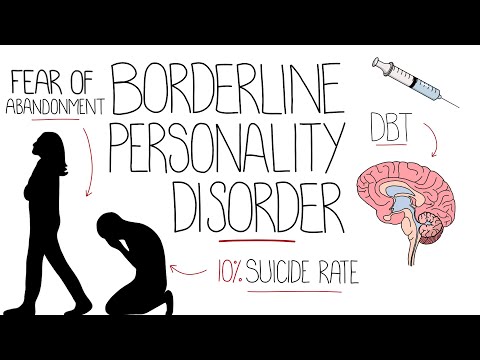
- Fear of Abandonment: This is huge for people with BPD. You might worry constantly that your friends will leave you or that partners will walk away. It can turn into clinginess or even anger when they aren’t around.
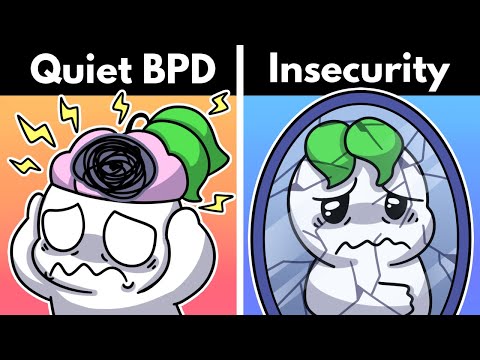
- Poor Self-Image: Your sense of self can change dramatically—one day feeling like a rockstar and another day thinking you’re worthless. This lack of stability can really mess with your decisions.
- Impulsive Behaviors: Acting without thinking things through? Yep! This could mean anything from spending sprees to risky sexual behaviors or even substance abuse.
- Chronic Feelings of Emptiness: A lot of people say it feels like there’s a hole inside them that they just can’t fill up. They might try different things to feel better but often come up empty.
- Difficulties in Relationships: Relationships often feel intense but unstable. You might swing between idolizing someone one moment and feeling completely disgusted by them the next.
The timelines of these symptoms can fluctuate quite a bit. Some folks experience episodes where these feelings are at their worst, often triggered by stress or interpersonal conflicts. A rough breakup might send someone spiraling into an emotional whirlwind for weeks or even months.
But here’s an interesting point: not everyone experiences those peak moments in the same way or at the same frequency! Some days may be manageable while others may bring on a full-blown emotional crisis.
A common pattern is that women are more frequently diagnosed than men, but simptoms can show differently across genders too! Men might express their distress through anger or aggression rather than showing vulnerability which can lead to misunderstandings.
So look, understanding BPD isn’t just about identifying the symptoms; it’s also about recognizing how they play out in everyday life. When awareness month pops up each year (like “Raising Voices”), it’s not just about talking; it’s about sharing experiences so we all get it better.
Understanding these key insights helps foster empathy for those dealing with BPD challenges each day while also highlighting why support matters so much.
At the end of the day, remember that everyone deals with their mental health differently—so if you know someone with Borderline Personality Disorder, your patience and support could make all the difference!
Understanding BPD Awareness Day: Significance, Advocacy, and Resources
advocacy efforts tied to are pretty crucial. Organizations, families, and friends come together to spread knowledge about the disorder. They’re not just talking about symptoms but also sharing personal stories of struggle and recovery. Like Sarah, who shared how her impulsivity made her feel like she was living on a rollercoaster; one moment she was soaring high, and the next, she was crashing down.
These stories help people understand more than just the clinical aspect. They show what it’s like on a personal level—making it relatable for those who might not know much about mental health issues. Advocacy can really change perception! When we talk openly about BPD, it encourages those affected to seek help without feeling stigmatized.
But awareness isn’t enough on its own. We need resources as well! On and beyond, various groups provide tools for education and support:
- Webinars: Many organizations hold online seminars where you can learn from experts.
- Support groups: Virtual or local meetups give individuals a chance to connect with others who understand.
- Literature: Pamphlets or websites can offer information on coping mechanisms and treatments available.
- Crisis hotlines: These are essential for immediate support during tough times.
So basically, is all about lifting up voices that often go unheard. It’s an invitation to educate ourselves and each other while fostering compassion for those navigating life with BPD. The next time someone mentions it, maybe you’ll think back on these points—and that could make all the difference in someone feeling understood instead of alone!
Understanding BPD Awareness Week: Advocacy, Education, and Resources for Mental Health
BPD Awareness Week is a significant time for spreading knowledge about Borderline Personality Disorder (BPD). This week gives people a chance to learn, share, and support one another. But what does it really mean? Well, let’s break it down.
First off, BPD is more than just a label; it’s about understanding a complex emotional experience. People with BPD often struggle with intense emotions, unstable relationships, and self-image issues. These challenges can lead to feelings of emptiness or fear of abandonment. It’s tough stuff.
During BPD Awareness Week, various organizations focus on advocacy—not just for those diagnosed but also for their families and friends.
When people learn more about the disorder, they can understand that it’s not just about having mood swings or acting out. There are real struggles happening beneath the surface!
Another important part is education. Many resources become available to help people dive deeper into what BPD is all about. Workshops, webinars, and community events pop up everywhere during this time! For instance, you might find online discussions led by mental health professionals who share insights and techniques for managing symptoms effectively.
Now let’s talk resources. There are tons of them out there! You can find well-researched websites filled with stories from individuals living with BPD. These personal narratives give valuable perspectives on daily life and coping strategies.
Knowing you’re not alone? That’s huge!
Storytime: I remember chatting with a friend whose sibling has BPD. At first, they felt lost—like they were walking on eggshells around them. But after participating in an awareness event together, they learned how small things could help—a supportive text or simply being present during hard moments made all the difference.
Ultimately, participating in BPD Awareness Week helps foster empathy while providing tools for better understanding mental health issues overall. This awareness doesn’t end here; it carries through the year as everyone works towards compassion and better support systems for those affected by BPD.
So next time you hear about this week or even see someone sharing their story online? Remember the importance of raising awareness and supporting mental health initiatives! It really could change lives—one voice at a time!
So, let’s chat about something that often gets misunderstood: Borderline Personality Disorder, or BPD for short. Did you know that October is BPD Awareness Month? Yeah, it’s like a little spotlight on a topic that many people don’t really get.
Now, picture this. You’re in a café with a friend who starts sharing their struggles—maybe with emotional ups and downs, intense relationships, or feeling empty sometimes. As they talk, you can sense the whirlwind of emotions swirling around them. And it hits you—this isn’t just typical moodiness; it’s something deeper.
BPD is often characterized by those extreme emotional shifts and tumultuous relationships. People with BPD may experience intense fear of abandonment and struggle to understand their identity. It might sound complicated—and honestly, it is! The thing is, these individuals aren’t just being dramatic; they’re navigating a world where their emotional responses feel like riding a rollercoaster without any seatbelt.
But here’s the kicker: awareness is key! When we shed light on BPD during October, we open the door for conversations that matter. Many folks might think it’s just «moods» or «drama,» but there’s real pain behind those symptoms. Misunderstandings can lead to stigma, which only adds to the struggles people face.
It’s important to recognize that if someone is raising their voice—figuratively or literally—it often stems from feeling hurt or misunderstood. So many emotions are tied up in this disorder: anxiety, anger, sadness… It’s like being on an emotional seesaw that never seems to level out.
And you know what? People living with BPD deserve compassion and understanding rather than judgment. They’re not looking for pity; they need support as they navigate their intricate emotions and relationships.
So this October, while we raise our voices for BPD awareness, let’s also raise our ears to listen more closely—to stories shared by those living with it. It’s about building bridges of empathy instead of walls of misunderstanding. Sometimes all it takes is a little kindness and openness to make a big difference in someone’s life!