You know, Borderline Personality Disorder (BPD) can be one of those topics that feels super heavy. It’s like, we hear about it all the time but really understanding what it’s all about? That’s a different ball game.
So, let’s break it down. Imagine trying to navigate a really rocky road with no map. That’s what living with BPD can feel like for many people. The ups and downs, the emotional whirlwinds—it’s intense.
When you look at BPD in relation to other psychological clusters, things get even more interesting. It’s not just about symptoms; it’s about connections and patterns that shape these experiences.
Stick around as we explore the nitty-gritty behind BPD and how it fits into the bigger picture of mental health. You might find some lightbulb moments along the way!
Understanding BPD: Comprehensive Guide to DSM-5 Criteria PDF Download
Borderline Personality Disorder, or BPD, is one of those topics that can feel pretty heavy but is super important to grasp. Understanding it can help you or someone you know navigate the complexities of this condition. So, let’s break it down.
First things first, BPD is characterized by intense emotional experiences and unstable relationships. Those with BPD often face challenges with self-image and may struggle to maintain stable connections with others. It’s not just about mood swings; it’s like being on an emotional rollercoaster.
Now, if we’re looking at the **DSM-5 criteria**, there are several key traits to consider. They include:
- Emotional Instability: People with BPD can experience rapid changes in mood, like feeling happy one minute and incredibly sad or angry the next.
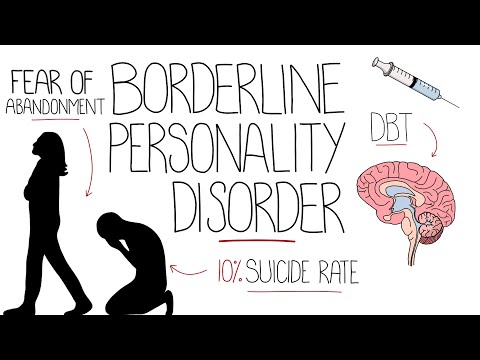
- Fear of Abandonment: There’s often an intense fear of being left alone. Even small separations can trigger overwhelming feelings.
- Unstable Relationships: Relationships may fluctuate between idealization and devaluation—like loving someone deeply one moment and then feeling hate towards them in another.
- Impulsive Behaviors: This might include reckless spending, substance abuse, or binge eating. These actions are often a way to cope with distress.
- Self-Harm: Self-injurious behavior or suicidal thoughts can be common as a way to manage emotional pain.
- Identity Issues: There might be a lack of clear sense of self, leading to frequent changes in goals and values.
- Difficulties in Thought Patterns: People may also experience dissociation or feelings of unreality during stress.
It’s essential to note that not everyone will tick every single box on this list. The symptoms can vary widely from person to person.
Let’s talk real-life for a sec: imagine someone who feels they need to constantly check in with their partner just to feel secure. When their partner doesn’t respond immediately, panic sets in—like their world is crumbling. That fear of abandonment can lead them to say things they don’t mean out of sheer desperation, affecting the relationship dramatically.
Understanding the dynamics within psychological clusters involving BPD helps shed light on how it interacts with other disorders too. For example:
- BPD often co-exists with conditions like depression or anxiety disorders.
This overlap can complicate diagnosis and treatment since symptoms might feed into each other. - The impulsivity seen in BPD might resemble traits from ADHD.
It’s vital for mental health professionals to differentiate between these conditions for effective support. - Anxiety disorders may heighten the feelings of abandonment and instability that individuals face living with BPD,
creating a cycle that’s hard to break without proper intervention.
If you’re curious about more detailed criteria or related resources—like pdf downloads that delve deeper—it’s worth checking out academic sources or reliable mental health organizations online.
So really, understanding BPD isn’t just about knowing some terms from psychology books; it’s about grasping the lived experiences and challenges many people face daily. When we talk about these dynamics openly, we contribute towards reducing stigma and promoting empathy around mental health issues!
Understanding Borderline Personality Disorder: DSM-5 Code and Diagnostic Criteria Explained
Alright, let’s break down Borderline Personality Disorder, or BPD for short. It’s a pretty intense condition that falls under the realm of personality disorders. Understanding it can help you make sense of some really complex emotions and behaviors.
What is Borderline Personality Disorder?
BPD is characterized by a pattern of instability in moods, behavior, self-image, and functioning. This instability often leads to chaotic relationships with others and a lot of emotional distress. You might notice that people with BPD experience feelings more intensely than most.
Now, as for the DSM-5 code, it’s classified as 301.83. The DSM-5 is like the go-to manual for mental health professionals when diagnosing mental disorders.
Diagnostic Criteria
To get diagnosed with BPD, an individual must meet at least five of the following criteria:
- Intense fear of abandonment: Even when there’s no real threat, just the thought of being left alone can trigger overwhelming anxiety.
- Unstable relationships: Relationships may shift from extreme closeness to extreme dislike in a flash.
- Unclear or unstable self-image: One moment you feel confident; the next, you’re doubting who you are or feeling worthless.
- Impulsive behavior: This could be things like reckless spending or substance abuse—sometimes acting without thinking through consequences.
- Sucidal behavior or self-injury: Self-harm can be a way some people cope with intense emotional pain.
- Mood swings: Feelings can swing from happy to sad to angry pretty rapidly—like you’re on an emotional rollercoaster!
- Persistent feelings of emptiness: Some might describe it as feeling hollow inside or like something is missing.
- Difficulties controlling anger: Anger may come on suddenly and feel out of control; it can lead to physical fights or shouting matches.
- Dissociation: Sometimes people experience these feelings where they feel disconnected from themselves or their surroundings.
Alright, so why do these things happen? Well, it often relates back to childhood experiences and how one develops emotionally over time. You could think about how this impacts relationships too; imagine being in a relationship where one minute everything feels perfect and the next you’re terrified your partner will leave—you can see how that could cause confusion!
For many with BPD, it’s not just about having these traits but also how they impact daily life. People may find themselves struggling at work or in school due to intense emotions and relationship issues.
Understanding BPD isn’t just about knowing the symptoms; it’s about empathy too. Individuals living with this disorder often battle deeply rooted pain along with their symptoms. So when discussing or learning about BPD, keeping compassion front and center is essential!
In summary, grasping what Borderline Personality Disorder involves helps highlight not only its challenges but also its complexities within human emotions. The journey through understanding BPD might take time but starts with awareness!
Understanding the 9 Key Symptoms of BPD According to DSM-5 Criteria
Sure! Let’s break this down. Borderline Personality Disorder, often just called BPD, is a pretty complex mental health condition. It can really impact how someone feels, thinks, and interacts with others. According to the DSM-5, which is like the handbook for mental disorders, there are nine key symptoms of BPD. Let’s get into them.
- Fear of Abandonment: One of the biggest signs is an intense fear of being left alone or abandoned. Just imagine constantly worrying that people will suddenly leave you. This can lead to frantic efforts to avoid real or imagined abandonment.
- Unstable Relationships: People with BPD often have very intense but unstable relationships. They might idealize someone one moment and then feel completely dumped in the next—like switching from hero to villain in a heartbeat.
- Identity Disturbance: A shaky sense of self is common here. You might struggle with your own identity or feel empty inside. It can be confusing not knowing who you are from one day to the next.
- Impulsivity: Engaging in risky behaviors can be another telltale sign. This could be anything from spending sprees to unsafe sex, or even substance abuse—basically acting without thinking about consequences.
- Sensory Dysregulation: Some folks experience extreme emotional highs and lows—a bit like being on an emotional roller coaster! One minute you’re ecstatic; the next, you’re utterly devastated and don’t know why.
- Chronic Feelings of Emptiness: Many deal with this nagging feeling of emptiness that never seems to go away. It’s like trying to fill a bottle with holes; no matter what you do, it just doesn’t feel full.
- Inappropriate Anger: Explosive anger outbursts can occur over seemingly minor issues. Think about losing your cool over a small mistake—it can come outta nowhere!
- Dissociative Symptoms: Some people might experience feelings of disconnection from reality or themselves during stress—like watching yourself from outside your body or feeling detached from your thoughts.
- Suiсidal Behavior or Self-Harm: This can manifest as recurrent suicidal thoughts or even self-injurious behaviors like cutting—to cope with overwhelming emotions.
So yeah, these nine symptoms paint a picture of what living with BPD is like for many individuals. It’s not just about mood swings; it’s about deeply rooted fears and challenges that affect relationships and self-worth.
If you think this resonates with someone you know—or maybe even yourself—it’s important to approach these feelings with compassion and understanding. Talking things out with a friend or professional can sometimes help sort through all these emotions and experiences. And hey, anyone dealing with such things deserves support!
Borderline Personality Disorder (BPD) is like this complex puzzle. It often gets tangled up with other mental health issues, and it can feel overwhelming trying to make sense of it all. Imagine a friend going through intense emotions, having relationship ups and downs, and constantly feeling like they’re on this emotional rollercoaster. That’s kind of what BPD looks like for many people.
So, let’s break it down a bit. People with BPD often struggle with deep-seated fears of abandonment and a distorted self-image. One minute they might be on top of the world, feeling invincible, and the next they could be doubting everything about themselves or feeling intensely alone. It’s like their emotional responses are turned way up high—small situations can trigger waves of feelings that seem disproportionate.
Now, here’s where the dynamics get interesting. BPD doesn’t exist in a vacuum; it often dances around with other psychological clusters—think anxiety disorders or depression. Let’s say you’ve got someone dealing with both anxiety and BPD. You might see them swing between fear of rejection in relationships while also battling chronic worry about everyday situations. That mix? It complicates things even more.
It reminds me of a friend I had who struggled with these dynamics for years. One moment she’d be laughing and having fun at dinner, but if someone didn’t text her back right away, her mind would spiral into all sorts of “what if” scenarios—like maybe they didn’t really care about her at all. What was really happening was she was grappling with both her fears stemming from past experiences and her anxiety about social interactions.
What’s crucial to understand here is that when someone has BPD along with other conditions, it’s not just about treating one thing—it’s about looking at the whole person. Recognizing how these components interact helps in finding more effective ways to cope.
Ultimately, understanding these dynamics opens doors to better support—not just for individuals living with BPD but also for their friends and family who want to help in meaningful ways without getting lost in the chaos themselves. So yeah, navigating through this can feel daunting but knowing there’s light at the end is essential for everyone involved!