Alright, so let’s chat about something that’s often misunderstood: Borderline Personality Disorder, or BPD for short. You might have heard of it in passing or seen it pop up in shows and movies.
But like, what exactly is it? It’s not just a label; it’s a real experience that a lot of people deal with. And wow, it can be pretty complicated.
Imagine feeling emotions so intensely that they’re overwhelming, or struggling with relationships because they seem to swing from amazing to terrible in a heartbeat. Sounds rough, right?
Seriously, understanding the criteria for BPD can shed some light on the behaviors and feelings involved. It’s not just about «being dramatic» or «moody.» There’s way more to it than that!
So let’s break this down together and see what really goes on behind the scenes with BPD.
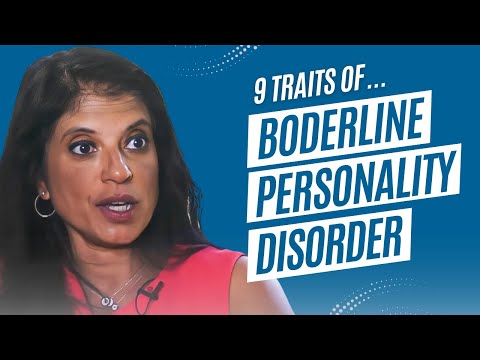
Understanding the 9 Criteria for Borderline Personality Disorder: A Comprehensive Guide
Borderline Personality Disorder (BPD) can sometimes feel like a whirlwind of emotions and behaviors. If you’re trying to get your head around what it all means, understanding the nine criteria can give you some clarity. So, here’s a breakdown of those criteria in a straightforward way.
1. Fear of Abandonment
People with BPD often have an intense fear of being abandoned or rejected. This can lead to frantic efforts to avoid real or imagined separations. Imagine someone constantly checking in on their partner because they fear they might leave, even if there’s no reason to think that way.
2. Unstable Relationships
Relationships can feel like a rollercoaster. One moment, you might feel love and adoration; the next, there’s anger or disappointment because the person didn’t meet your expectations. It’s really tough to maintain stable connections when feelings swing so dramatically.
3. Unclear or Shifting Self-Image
This criterion is about identity crises where you may feel unsure about who you really are or what you want from life. Picture someone who tries out different styles, interests, or friend groups because they’re unsure which one feels “right” for them.
4. Impulsive Behaviors
Impulsivity can show up in different ways—spending sprees, reckless driving, or even risky sexual behavior. It’s like acting on a whim without thinking about the consequences first, which can lead to regret later on.
5. Self-Harming Behavior
Many people with BPD may engage in self-harming as a way to cope with emotional pain or express their distress. This could be cutting or burning oneself but also includes suicidal thoughts or attempts.
6. Emotional Instability
The emotional ups and downs are pretty extreme and can change quickly from intense joy to deep sadness—or even anger—sometimes within just hours! It’s hard for people around them to keep up with these fluctuating moods.
7. Chronic Feelings of Emptiness
A sense of emptiness is common among those with BPD; it feels like something’s missing inside them that cannot be filled easily by anything outside themselves—like trying to fill a bottomless pit.
8. Intense Anger
Anger can flare up rapidly and feel overwhelming. You might struggle with controlling your temper over seemingly small issues or feel frustrated more often than not—a bit like a pressure cooker ready to burst at any moment.
9. Paranoia or Dissociation
During stress, some people might experience paranoia—feeling disconnected from reality—or dissociation—like watching their life happen from outside themselves as if everything’s hazy and unreal.
Understanding these criteria isn’t just about diagnosing BPD; it sheds light on what individuals experiencing this disorder go through daily! Think of it as shedding some light on an otherwise shadowy issue that affects many lives in profound ways—and trust me, knowing this stuff helps foster empathy and compassion for those navigating through these challenges.
Navigating Borderline Personality Disorder: A Comprehensive Guide to Understanding BPD
Borderline Personality Disorder, or BPD, can feel like you’re on a rollercoaster ride with its ups and downs. You know? One moment, you’re feeling super happy and connected, and the next, everything feels chaotic. But what exactly does it mean to have BPD? Well, let’s break it down.
First off, BPD is characterized by intense emotions and unstable relationships. Imagine having really strong feelings that change rapidly—like switching from joy to anger in seconds. That’s pretty much how it can feel. People with BPD often experience **fear of abandonment**, which means they might go to great lengths to avoid losing those they care about.
You see, relationships can become really rocky because of this fear. A person with BPD might suddenly feel like a friend doesn’t care about them anymore after a minor conflict. And then they might react in extreme ways—like cutting off the friendship or throwing a huge fit to get attention.
Here are some key signs to look at:
- Emotional Instability: Intense bouts of anger, sadness, or anxiety that last for hours or sometimes even days.
- Impulsive Behaviors: Engaging in risky activities like spending sprees or unsafe sex—often without thinking through the consequences.
- Identity Disturbance: Uncertainty about self-image or sense of identity. Do you ever feel like you don’t know who you are? That’s something folks with BPD often struggle with.
- Chronic Feelings of Emptiness: Sometimes feeling empty inside; kind of like there’s a void that nothing seems to fill.
- Dissociative Symptoms: Feeling disconnected from reality during stressful times—it’s as if you’re watching your life unfold from afar.
Also, let’s talk about those **intense interpersonal relationships** for a sec. It often swings between extreme closeness and intense dislike. You might adore someone one minute and then feel they’re completely horrible the next. This is known as splitting.
You know what else is interesting? Many people living with BPD also experience other mental health issues such as depression or anxiety disorders at the same time (what professionals call comorbidity). It can be tough because these overlapping issues make everything more complicated.
Navigating life with BPD isn’t easy—you might find comfort in understanding that you’re not alone in this struggle! There are resources out there to help manage these feelings and behaviors better over time.
So, what works for many people? Therapy is often recommended! Dialectical Behavior Therapy (DBT) specifically focuses on skills like emotion regulation and interpersonal effectiveness—it’s essentially learning new ways to handle emotions without spiraling out of control!
Learning about yourself and your emotions takes time—you can think of it as an ongoing journey towards better self-awareness. Hope this little chat gives you some clarity about what navigating Borderline Personality Disorder is all about!
Understanding the DSM-5 Criteria for Borderline Personality Disorder: Key Insights and Definitions
Borderline Personality Disorder (BPD) can feel like a confusing puzzle, especially when diving into the DSM-5 criteria. So, let’s break it down.
What is BPD? Essentially, it’s a mental health condition marked by emotional instability, intense interpersonal relationships, and difficulty regulating emotions. Those with BPD often experience feelings that swing like a pendulum, going from extreme happiness to deep sadness in what seems like no time at all.
Now, the DSM-5 (that’s the Diagnostic and Statistical Manual of Mental Disorders) outlines specific criteria to recognize BPD. The official criteria list out several key symptoms:
- Fear of abandonment: This is huge for folks with BPD. Even minor separations can trigger intense emotions or frantic efforts to avoid being left alone.
- Unstable relationships: Relationships might be characterized by extremes—either idealizing someone one moment and then feeling they’re worthless the next.
- Identity disturbance: This can show up as an unstable self-image or sense of self. You could say it feels like wearing different masks depending on who’s around.
- Impulsivity: Think about behaviors like spending sprees or risky sex. It’s really about acting without thinking through the consequences.
- Emotional instability: You might see this as rapid mood swings—some days you feel on top of the world, and other days you’re in a deep, dark pit.
- Chronic feelings of emptiness: This isn’t just boredom; it’s more like feeling hollow inside, as if something is missing.
- Inappropriate anger: Sometimes there are intense episodes of anger or difficulty controlling temper. You might feel rage over small things that seem to set you off.
- Dissociative symptoms: This can include feeling disconnected from oneself or experiencing paranoia during stress periods.
You see how these symptoms fit together? Like pieces of a jigsaw puzzle that reflect how someone with BPD might think and feel.
Anecdote alert! Picture this: A friend gets an unexpected text canceling lunch plans. For someone with BPD, this could spark feelings of intense fear—like maybe their friend doesn’t want to be friends anymore! The thoughts race: “Am I not good enough?” It can turn an ordinary situation into an emotional rollercoaster.
Understanding these criteria helps us see how complex BPD really is—a mix of emotional highs and lows that impact everyday interactions and relationships. So when we talk about BPD, we’re talking about lived experiences that are all too real for many people navigating their emotions day-by-day.
So yeah, recognizing these signs is key for better understanding not just the disorder but also how we can support those who deal with its challenges every single day!
Alright, let’s chat about Borderline Personality Disorder (BPD) and what the criteria for it really look like. So, BPD is one of those conditions that can be a bit tough to wrap your head around. You might have heard different things about it, but the reality is often way more complex than those dramatic portrayals we see in movies.
Imagine you’re at a party, right? There’s this person who seems super animated one moment, then they switch to feeling down or angry without much warning. That’s how emotions can feel for someone with BPD—intense and shifting like a rollercoaster. They might struggle with feelings of emptiness or fear of abandonment. It’s not just mood swings; there’s a lot more going on beneath the surface.
The official guidelines say that to be diagnosed with BPD, you’d typically need to meet at least five out of nine criteria. These include things like unstable relationships, impulsive behavior, and difficulty controlling anger. But here’s the thing: it’s not just about ticking boxes on a checklist. Each person’s experience can vary widely.
I remember a friend I had in college who dealt with some of these challenges. One minute she would be laughing and planning fun outings, and the next she felt completely alone and upset over small things that seemed harmless to others. It was tough watching her go through that, and I often felt helpless trying to support her through those emotional waves.
What’s really important is understanding that people with BPD are often trying their best to manage their emotions—their experiences are valid and real for them. It’s so easy to judge from the outside looking in when you don’t understand what they feel or think.
So when we talk about criteria for Borderline Personality Disorder, let’s remember it’s crucial to look beyond labels and symptoms. We should approach the topic with empathy rather than judgment because everyone has their unique story behind those behaviors—and they deserve compassion as they navigate their lives.