Okay, so let’s talk about something that tends to fly under the radar—borderline personality disorder, or BPD, and its cousin, emotionally unstable personality disorder, EUPD. It sounds super clinical, right? But really, it’s all about emotions.
Imagine feeling things deeply—like REALLY deeply. Joy can feel like a high that’s hard to sustain, and sadness might hit like a ton of bricks. It’s wild how intense those feelings can be.
A lot of folks don’t get that BPD and EUPD are about more than just mood swings; they can be a whole emotional rollercoaster! And trust me, those on this ride experience life in shades most people don’t even know exist.
We’ll dive into the nitty-gritty of what these labels mean and why understanding them is important—not just for those living with them but also for everyone around them. So, let’s unpack this emotional depth and complexity together!
Effective Strategies for Explaining Borderline Personality Disorder to Those Unfamiliar with It
Explaining Borderline Personality Disorder (BPD) can be tricky, especially to people who might not know much about it. So, here’s a way to break it down simply and clearly.
What is BPD?
Borderline Personality Disorder is mainly about intense emotions and unstable relationships. People with BPD often feel things really deeply. It’s not just a “bad mood”; it can be like riding a crazy emotional rollercoaster. Imagine feeling super happy one moment and then suddenly really sad or angry the next. That’s what many with BPD experience.
Key Characteristics
When you’re trying to explain BPD, these points can help:
- Emotional Instability: Their emotions can shift quickly, like flipping a switch.
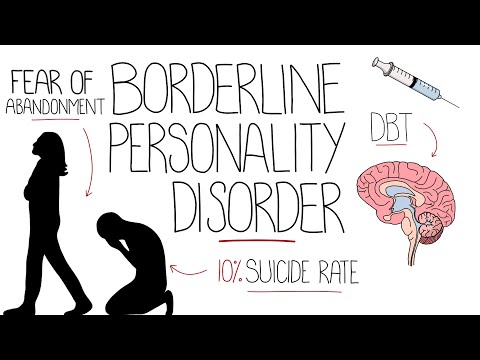
- Fear of Abandonment: Many people with BPD fear being left alone or abandoned.
- Intense Relationships: Relationships might seem very close one day and turbulent the next.
- Self-Image Issues: They might struggle with having a stable sense of self.
- Impulsive Behaviors: Sometimes they engage in risky or impulsive activities, like spending sprees or reckless driving.
Telling Stories Helps
Sometimes telling stories makes things clearer. For instance, you could say: «Imagine someone named Sam. One day, Sam feels on top of the world because his best friend says something nice. But later, if that friend doesn’t text back right away, Sam might spiral into feeling worthless.» This kind of narrative helps put an emotional face on the disorder.
Avoiding Misconceptions
It’s super important to clear up any myths about BPD as well. Some might think it’s just about being dramatic or seeking attention. But seriously, that’s not fair at all! The truth is: people with this disorder are often in real pain and trying to navigate their feelings in the best way they can.
The Role of Therapy
Talk about how therapy plays a part! Many individuals with BPD benefit from therapy methods like Dialectical Behavior Therapy (DBT). This therapy focuses on teaching coping skills and emotional regulation—basically helping them manage those intense feelings better.
Coping Strategies for Friends and Family
If you know someone dealing with this disorder, there are ways you can support them too:
- Simplify Conversations: Be clear and straightforward in your communication.
- Acknowledge Their Feelings: Validate their emotions without judgment—sometimes just saying «I see you’re upset» can make a big difference!
- Avoid Triggers: If possible, try to steer clear of topics that could trigger intense reactions.
Understanding Borderline Personality Disorder isn’t easy for everyone. But by sharing its complexities and humanizing those struggles through stories and examples, you might help others see past the labels. It’s all about bridging that gap between confusion and empathy!
Understanding BPD Episodes: Key Signs and Symptoms Explained
Understanding BPD (Borderline Personality Disorder) episodes can be like navigating a really intense emotional rollercoaster. These episodes often come on suddenly, like a storm out of nowhere, and they can leave both the person experiencing them and those around them feeling pretty shaken.
First off, let’s get into some of the key signs and symptoms that often pop up during these episodes:
- Intense Emotions: You might feel emotions more intensely than others. Joy could feel euphoric one moment, but anger or sadness can hit harder than a freight train.
- Fear of Abandonment: This one’s a biggie. If someone you care about seems distant or upset, you might react as if it’s the end of the world.
- Rapidly Changing Moods: Your feelings may shift from extreme highs to lows in just a matter of hours or even minutes.
- Impulsive Behaviors: This could involve anything from spending sprees to reckless driving. It’s like your brain is on autopilot where thoughtfulness takes a backseat.
- Difficulties in Relationships: Friendships and romantic links can be volatile. A small disagreement might lead to feeling completely alienated.
Imagine Sarah, who finds herself enjoying a sunny day at the park one moment—everything feels wonderful and vibrant. But then, out of nowhere, she receives a text that doesn’t seem as enthusiastic as she hoped. Her mood plummets; suddenly she feels abandoned and lonely despite being surrounded by friends.
Another important part to recognize is how these episodes can feel chaotic not just internally but also externally. You might notice that during an episode, there’s often this overwhelming sense of turmoil—a flood of feelings that doesn’t seem to have an off switch.
Also, it’s vital to note that people with BPD may engage in self-harming behaviors during these tough times. It’s not always about wanting to end things; rather it could be a way to cope with overwhelming emotional pain.
So what does all this mean? Understanding these signs can help both individuals grappling with BPD and their loved ones navigate relationships more effectively. Recognizing when those stormy clouds are moving in allows people to prepare for tough days ahead or seek support when they need it most.
While every person’s experience with BPD is unique—like fingerprints—knowing the common patterns can foster empathy and connection instead of frustration or misunderstanding.
At the end of the day, emotional depth in BPD doesn’t mean lacking control but rather experiencing life at full volume. So let’s keep those conversations going about mental health so everyone feels seen and heard!
Essential Guide for Parents: Navigating Borderline Personality Disorder (BPD)
Borderline Personality Disorder, or BPD, can feel overwhelming—especially for parents of children or teens dealing with it. You’re probably wondering how to navigate the emotional ups and downs while keeping your own sanity intact. So let’s break this down in a way that makes sense, shall we?
First off, BPD is characterized by intense emotions and rapid changes in mood. People with this disorder often experience feelings like anger, anxiety, and depression more intensely than others do. They might feel like they’re on an emotional rollercoaster, which can be tough for you to watch as a parent.
- Emotional Intensity: Imagine your child having a huge reaction to what seems like a small problem. Like if they lose their favorite shirt or have a minor disagreement with a friend. For them, these aren’t just “no big deal” moments; they’re genuinely very painful.
- Fear of Abandonment: Many individuals with BPD have this deep fear of being left alone or abandoned. You might notice your child becoming clingy or withdrawing suddenly when they think someone is upset with them.
- Mood Swings: One minute they’re super happy, and the next, they’re in tears. This unpredictability is hard to deal with—it’s like trying to keep up with someone walking on shifting sand.
- Poor Self-Image: Your child might struggle to see themselves clearly. They could fluctuate between feeling amazing about themselves one hour and then feeling entirely worthless the next.
Anecdote time! I remember hearing about a mom whose daughter would go from being her bubbly self to locking herself in her room because her friends didn’t invite her out one weekend. That sudden shift left the mom feeling confused and helpless—like she was walking through fog without a map.
So how can you support your child? Well, first off, communication is crucial. Encourage them to talk about their feelings without judgment. You could say something simple like “I’m here for you.” That little reassurance can mean more than you realize!
Setting healthy boundaries is also important. It’s okay to stand firm when needed while being understanding at the same time. For example, if they lash out during an argument—though it’s hurtful—you don’t have to accept disrespectful behavior. Telling them that their feelings are valid but their behavior isn’t acceptable helps create clarity.
- Seek Professional Guidance: Getting help from therapists experienced in BPD can be vital—not just for your child but for you too!
- Practice Self-Care: Caring for someone with BPD can be draining emotionally! Make sure you’re taking time for yourself so you’re not running on empty.
- Create Routines: Structure and predictability can reduce anxiety both for you and your child; consider establishing some family routines together!
The thing is, navigating life while supporting someone with BPD requires patience and understanding—you’ll have good days and bad ones! Just remember that even though it may seem daunting at times, fostering open communication can help build trust between you and your kiddo.
BPD isn’t something that just goes away overnight—it’s a journey involving ups and downs but knowing what you’re dealing with makes it more manageable over time!
So, let’s talk about Borderline Personality Disorder (BPD) and Emotionally Unstable Personality Disorder (EUPD). It’s kind of like peeling back layers of an onion—there’s a lot more going on than you might initially think, you know? Both terms actually refer to similar experiences, with BPD being the term that many people are more familiar with.
Imagine having feelings that shift like the weather. One moment you’re on a high, maybe feeling euphoric or super connected to someone, and then suddenly, bam! You feel completely alone or even abandoned. That emotional whiplash is a hallmark of BPD/EUPD. I remember talking to a friend who had been diagnosed with BPD, and she described it as riding this emotional rollercoaster that never really stops. Life can be intense for folks experiencing this.
And let’s get real here: it’s not just about those wild mood swings. There’s often a deep-rooted fear of abandonment that can drive relationships into all sorts of complicated territories. Picture this: you’re in a really close friendship or relationship, and your partner doesn’t text back right away. For someone with BPD/EUPD, that silence could feel like the end of the world—it’s not just about waiting; it taps into those deeper fears of being left behind.
Then there’s the issue with self-image. People dealing with this disorder often have trouble seeing themselves clearly. One day they might feel strong and confident; another day they might think they’re worthless or just not good enough at all. It gets messy when everything feels so intense all the time.
But here’s something important: while it can sound very heavy and daunting, there is also incredible depth to people who experience BPD/EUPD. They often have intense passions and creativity because feeling things deeply can spark amazing insights and art! Some artists are able to channel their experiences into stunning works that resonate with others—it’s like they turn their struggles into something beautiful.
Yet society doesn’t always get it right when it comes to BPD/EUPD; there are stigmas attached that make things even tougher for these individuals. It’s easy for people to label them as «drama queens» or «too emotional,» which completely misses the point—and trust me, it hurts when that happens.
So when we talk about understanding BPD and EUPD, we’re really digging into what it means to experience life at an emotional depth that’s pretty unique but also challenging. It’s about empathy—I mean really trying to put yourself in someone else’s shoes and appreciate all those layers without judgment.
At the end of the day, maybe it’s less about putting people in boxes labeled «BPD» or «EUPD» and more about recognizing their humanity—their struggles but also their triumphs—and navigating those complexities together with compassion and understanding. Because everyone deserves that little bit of grace in their journey through life!