You know, Borderline Personality Disorder is one of those things that can be really confusing. I mean, people often get it mixed up with other mental health issues.
But it’s way more complex than just mood swings or impulsive behavior. Seriously, there’s a lot going on beneath the surface that not everyone sees.
Like, imagine feeling emotions so intensely that it’s almost overwhelming. That’s part of what makes BPD challenging for those who have it and for their loved ones too.
Let’s dive into what makes this disorder tick and how it impacts real lives, okay? You might find some insights that hit home.
Understanding the BPD Test: Key Insights and Implications for Diagnosis
Borderline Personality Disorder (BPD) is often misunderstood, and the tests used to diagnose it can seem, well, a bit daunting. Let’s break it down together, alright?
To start off, BPD is a mental health condition characterized by instability in moods, behaviors, self-image, and relationships. That’s a mouthful, right? Basically, it means that someone with BPD might feel emotions more intensely than others. So when they’re happy, they’re *really* happy; but when they’re sad or angry? Oh boy! Those feelings can be overwhelming.
Now about the BPD test. You might hear terms like “structured interview” or “self-report questionnaires.” These are tools clinicians use to assess whether someone meets the criteria for BPD. The most common one is the Diagnostic and Statistical Manual of Mental Disorders (DSM-5), which includes specific traits like:
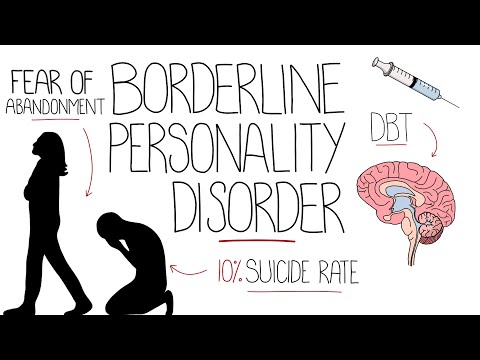
- Fear of abandonment
- Unstable relationships
- Identity disturbance
- Impulsive behaviors
- Recurrent suicidal behavior or self-harm
- Intense emotional swings
- Chronic feelings of emptiness
- Difficulty controlling anger
- Paranoid thoughts or dissociation under stress
So let’s say you’re taking a self-report questionnaire. You’ll answer questions about your thoughts and feelings over time. This could include stuff like how often you feel empty or how your relationships tend to shift from idealization to devaluation in a snap—you know what I mean?
It’s important to remember that no single test can confirm BPD on its own. Diagnosing this disorder usually involves a detailed history-taking process where professionals ask about your past experiences and current struggles. They might also consider any other mental health conditions you may have because overlapping symptoms can muddy the waters.
Another thing to keep in mind: getting diagnosed with BPD isn’t just about ticking boxes on a checklist. It has real-life implications for treatment and coping strategies. Proper diagnosis allows clinicians to recommend therapies suited for BPD—like Dialectical Behavior Therapy (DBT)—which focuses on acceptance and change strategies.
If you’ve ever felt like your emotions were running wild—like being on an emotional roller coaster—it totally makes sense why this disorder could be tough for both you and those around you. Imagine feeling fiercely connected one moment only to feel completely rejected the next; it’s exhausting!
Understanding these tests can open up so many conversations about mental health. Just knowing the complexity behind something like BPD might help reduce stigma too! After all, we all have our challenges.
The core takeaway here is that while tests are helpful tools in understanding Borderline Personality Disorder, they should always be interpreted within a broader context of each individual’s life experiences and mental health history. So remember: getting support is key if you’re struggling with these feelings!
Understanding the Symptoms of Borderline Personality Disorder in Women: A Comprehensive Guide
When we talk about Borderline Personality Disorder (BPD), especially in women, it’s important to understand the whole picture. It’s not just a label; it’s about real feelings and experiences that can get super overwhelming. So, let’s break down some of the common symptoms and what they might look like in everyday life.
Emotional Instability is one of the hallmark traits. Imagine feeling like you’re on a rollercoaster, with your emotions swinging from intense joy to deep sadness in a matter of hours or even minutes. For instance, you could be having a great day with friends and then suddenly feel empty or anxious for no apparent reason.
Another biggie is fear of abandonment. This can lead to extremes in relationships. You might find yourself constantly worried that someone will leave you—like a close friend not texting back right away could send you into a tailspin of anxiety. It can push people to cling tightly or even lash out. Ever been there? It’s tough.
- Difficulty with relationships: Women with BPD often have tumultuous friendships or romantic partnerships. One moment, everything seems perfect; the next, it feels like they’re ready to cut ties completely. These ups and downs can create confusion for both sides.
- Impulsivity: Engaging in risky behaviors is another symptom. This might mean spending sprees, substance use, or reckless driving—things that seem fun at the moment but can have serious consequences later on.
- Identity issues: A sense of self may feel shaky or unclear. You might think, “Who am I?” on different days because your self-image shifts so frequently based on moods or feedback from others.
The struggle with self-harm is also common among women with BPD. Some might hurt themselves as a way to cope with emotional pain—like it’s easier to feel physical pain than deal with feelings that seem unbearable.
If you’ve noticed these symptoms in yourself or someone close, it’s okay! Understanding is key here—you aren’t alone in this experience. And if things are feeling really heavy, seeking support from friends or professionals can make a world of difference.
BPD doesn’t define anyone; it’s just one part of their story. That said, acknowledging these patterns can be the first step toward finding balance and moving forward in healthier ways!
Understanding Borderline Personality Disorder: Meaning, Symptoms, and Implications
Sure! Let’s talk about Borderline Personality Disorder (BPD) in a casual way to make it easy to understand.
Borderline Personality Disorder is a mental health condition that can really shake things up for those who experience it. It’s often marked by intense emotions and unstable relationships. Basically, people with BPD can feel like they’re on an emotional rollercoaster, you know?
People with BPD might struggle with fear of abandonment. This means they often worry that people will leave them. For instance, let’s say you text a friend and they don’t reply right away. A person with BPD might spiral into anxiety, thinking the friend doesn’t want to be around them anymore.
Another common symptom is identity disturbance. This isn’t just your typical «who am I?» phase; it can feel really profound. A person might have trouble figuring out their values or goals. On one day, they might feel like they want to be an artist, and the next day they’re convinced they should pursue something entirely different.
Impulsivity is another biggie. Folks with BPD may engage in risky behaviors—like spending sprees or unsafe sex—because their emotions can cloud their judgment. It’s like being on the edge of a cliff and suddenly deciding to jump without checking how deep the water is below.
Then there’s the emotional instability, characterized by mood swings that can last for hours or days. One minute, everything feels great; the next, it’s like someone flipped a switch and everything’s falling apart.
Now let’s talk about intense relationships. Those with BPD often swing between idealizing someone and devaluing them completely. So someone might think of a partner as perfect one moment but then feel angry or resentful if there’s even a tiny disagreement.
These symptoms create challenges not just for individuals but also for those around them. Relationships can become pretty turbulent due to misunderstandings or miscommunication. Friends and family may feel overwhelmed and unsure how to help.
It’s important to mention that while BPD can seriously impact daily life, many people do find ways to cope effectively through therapy or support! Therapy techniques like Dialectical Behavior Therapy (DBT) are designed specifically for folks dealing with these kinds of emotional difficulties.
So yeah, understanding Borderline Personality Disorder means recognizing that behind these behaviors are real feelings—feelings that can often feel overwhelming but are also completely valid! The journey may be tough, but knowledge and support go a long way in making things better for everyone involved.
Borderline Personality Disorder (BPD) can feel like a whirlwind, not just for the person living with it, but also for those around them. It’s one of those psychological conditions that often gets misunderstood, leading to a lot of misconceptions. You know the stereotype – someone who’s constantly emotional or dramatic. But the reality is way more complex.
Imagine being stuck inside a roller coaster that never stops spinning. One moment, you’re feeling incredibly loved and secure, and the next, you’re gripped by fear that everyone is abandoning you. That’s what many people with BPD experience daily. It’s like having emotional reactions that don’t always match what’s happening in reality. This can lead to intense relationships where things go from «I love you!» to «I hate you!» in the blink of an eye.
But here’s where it gets even trickier: because emotions can shift so quickly and intensely, someone with BPD might struggle with self-image or identity. They might feel like they’re constantly searching for themselves amidst all those ups and downs. And this can make reaching out or asking for help seem daunting.
When someone close to you has BPD, it can be incredibly challenging—like trying to navigate through foggy weather without a map. There might be moments when they seem completely fine one minute and then are overwhelmed the next. It might leave you feeling confused or even frustrated at times. You may want to help but not know how because every situation feels different.
It’s essential to remember that beneath all those emotional waves is a really strong desire for connection and understanding. People with BPD often fear abandonment deeply; when things get tough, it doesn’t mean they don’t care about their loved ones—it often means they’re struggling to manage their feelings.
This is why empathy plays a huge role in navigating these relationships. Being aware of what they’re going through—and recognizing that their emotions are valid—even if they seem overwhelming helps create a safe space for both of you.
So, while understanding BPD comes with its own set of challenges, approaching it with compassion and patience can make all the difference in the world—both for them and for you as well!