Alright, so here’s the deal. You ever met someone who seems to flip between being super loving and then, out of nowhere, just totally cold? Yeah, that’s a vibe you might get with certain personality disorders.
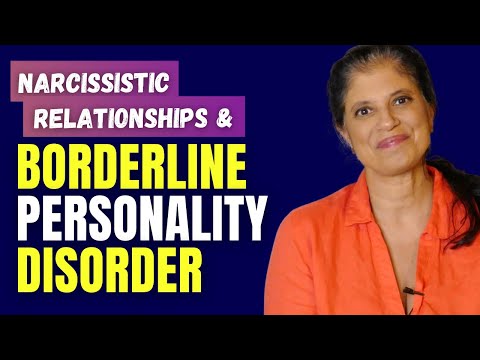
Let’s chat about Borderline Personality Disorder (BPD) and Narcissism. They’re like two sides of a weird coin. These traits can get all tangled up in a person, making life pretty complex.
Imagine someone who craves attention and validation but is also terrified of being abandoned. That’s kind of what we’re dealing with here! It’s messy but super interesting.
Stick around as we unravel this mix and explore the emotional rollercoaster it brings! You might end up seeing things in a whole new light.
Exploring the Intersection of Borderline Personality Disorder and Narcissism: Understanding Overlapping Traits and Implications
So, let’s talk about Borderline Personality Disorder (BPD) and Narcissistic Personality Disorder (NPD). You might’ve heard about these two before. They sound pretty intense, right? But the thing is, they share some overlapping traits that can make understanding them a bit tricky.
First off, both BPD and NPD fall under the umbrella of personality disorders. That means they both involve patterns of thinking and behavior that can significantly affect a person’s life. But there are distinct differences too. Knowing these traits helps in spotting how they overlap yet stand apart.
One of the common threads is emotional instability. If you have BPD, you might feel emotions like love or anger really intensely but have trouble managing those feelings. People with NPD can also experience emotional ups and downs. However, their emotional reactions often center around self-importance or feeling slighted when they don’t get the admiration they believe they deserve.
Then there’s the topic of relationships. Both individuals may struggle in this area—think chaotic friendships or rocky romantic entanglements. For someone with BPD, relationships can be super intense and often marked by fear of abandonment. On the flip side, people with NPD may establish relationships based on admiration rather than genuine connection. They might seek validation from others to feel important but lack empathy for their partner’s feelings.
Another interesting overlapping trait is impulsivity. Those with BPD may engage in impulsive behaviors as a way to cope with emotional pain—like spending sprees or risky sex. In contrast, individuals with NPD might act impulsively out of a sense of entitlement or to maintain their grandiose image.
Now let’s touch on the coping mechanisms involved here too. People with BPD might use self-harm as a way to express their pain or release tension—a cry for help that comes from feeling misunderstood. Narcissists, however, often protect their inflated self-image at all costs and may deny any issues altogether instead of facing them head-on.
So what does this mean for treatment? Well, it can complicate things! If you’re looking at someone who exhibits traits from both disorders, it could require tailored therapeutic approaches that address both sets of needs while navigating through those shared characteristics.
In real-life scenarios, imagine being friends with someone who has strong traits from both sides—it can be exhausting! You’re constantly juggling intense emotions while trying not to inflate their ego further. It’s like walking on eggshells because you want to help without triggering any defensive reactions.
Understanding these intertwined traits matters not just for therapy but also for anyone dealing with such personalities in daily life. It gives you insight into why someone acts the way they do and how best to interact without getting caught up in emotional turmoil yourself.
To sum it all up:
- Both BPD and NPD involve patterns that deeply affect interpersonal relationships.
- Emotional instability is central; however, feelings manifest differently between them.
- Impulsivity serves different purposes—coping vs maintaining superiority.
- Coping mechanisms diverge; one seeks help through behaviors while another avoids accountability.
So yeah, understanding these overlaps isn’t just useful academically; it’s valuable for real-life interactions as well! Recognizing these nuances could lead us toward more empathy—for ourselves and others dealing with such complexities in personality disorders.
Understanding BPD Misdiagnoses: Common Conditions Mistaken for Borderline Personality Disorder
Borderline Personality Disorder (BPD) is often misunderstood. Sometimes, people get misdiagnosed with it when they might actually have something else going on. This can be really frustrating for anyone trying to figure out their mental health.
First up, let’s talk about **Narcissistic Personality Disorder (NPD)**. You see, both BPD and NPD can involve intense emotions and unstable relationships, leading to confusion in diagnosis. A person with BPD might exhibit narcissistic traits like seeking attention and validation. However, what sets them apart is the fear of abandonment that often drives BPD behaviors.
Then there’s **Histrionic Personality Disorder**. This one can also look a lot like BPD because individuals may crave attention and be overly emotional. But those with Histrionic PD are typically more focused on being the center of attention rather than struggling with identity issues and abandonment fears which are so central to BPD.
Another condition that’s often mistaken for BPD is **Post-Traumatic Stress Disorder (PTSD)**. Both can feature intense emotional responses and relationship troubles—especially after trauma. However, PTSD usually stems from a specific traumatic event, while the symptoms of BPD can arise from a lifelong pattern of emotional instability.
Additionally, depression and **anxiety disorders** are sometimes confused for BPD too. A depressed person might display irritability or mood swings similar to those diagnosed with BPD—it’s just their emotional pain manifesting differently you know? On top of that, anxiety disorders can result in intense feelings that mimic some symptoms of borderline personality disorder.
It’s also common to misinterpret **Attention-Deficit/Hyperactivity Disorder (ADHD)** as a sign of BPD. People with ADHD might have impulsive behavior or trouble managing emotions which overlaps quite a bit with how folks with BPD might act.
To sum it all up:
- Narcissistic Personality Disorder: Similar emotional instability but different motivations.
- Histrionic Personality Disorder: Overly focused on being noticed rather than dealing with abandonment fears.
- Post-Traumatic Stress Disorder: Rooted in specific traumas rather than chronic patterns.
- Depression: Symptoms like irritability may mask deeper issues present in BPD.
- Anxiety Disorders: Emotional upheaval without the identity struggles linked to BPD.
- Attention-Deficit/Hyperactivity Disorder: Impulsivity can resemble borderline behaviors.
It’s pretty wild how much overlap there can be! So when someone thinks they’re dealing with borderline traits, it’s essential for professionals to explore all possible diagnoses thoroughly. Misdiagnosis not only affects treatment but also the person’s sense of self-worth and understanding of their own experiences.
If you’ve ever felt lost in all this medical jargon or labels, you’re not alone! Just remember—it’s crucial to find someone who really gets these shades and nuances because mental health is super intricate!
Understanding the Dark Triad in Borderline Personality Disorder: Insights and Implications
When we talk about the Dark Triad, we’re diving into a trio of personality traits: narcissism, psychopathy, and Machiavellianism. These traits can crop up in various ways and affect how a person interacts with others. It’s kind of like mixing different colors of paint—you end up with a unique shade. In the context of Borderline Personality Disorder (BPD), things can get pretty complex.
Now, BPD is known for its intense emotional experiences and unstable relationships. People with BPD often struggle with self-image and may experience mood swings that feel like riding an emotional roller coaster. But sometimes, you might also see traits that resemble those found in the Dark Triad.
Let’s break this down a bit:
- Narcissism: This trait involves a sense of entitlement and needing admiration. In someone with BPD, you might notice they have moments where they seem overly focused on themselves or need constant reassurance from others. However, it’s often tied to fearing abandonment rather than just wanting to be the center of attention.
- Psychopathy: This trait involves a lack of empathy and guilt, but in BPD, while someone may act impulsively or even destructively at times, it doesn’t usually stem from a total lack of feelings. They might hurt others during intense emotional episodes but often feel regret afterward.
- Machiavellianism: This is characterized by manipulation for personal gain. You could find individuals with BPD using some manipulative tactics too—like playing the victim or dramatizing situations—often as a way to cope with their fear of rejection or pain.
Now here’s where it gets interesting: these traits don’t always show up all at once or even strongly in every person with BPD. It really depends on their experiences and coping mechanisms. A friend once told me about how she navigated her turbulent relationship with someone who had BPD; their ups and downs were wild! One minute they were the sweetest person alive—the next, there was drama over something that seemed minor to outsiders but felt like life-or-death to them.
The real kicker? People often misunderstand these intertwined traits as just being «complicated.» It’s easy to label someone as narcissistic when they’re really struggling inside—they just project that pain differently.
So, what does this mean for anyone involved? Understanding these elements can help us approach relationships more compassionately. Instead of jumping to harsh conclusions about someone’s behaviors, seeing them through the lens of both BPD and Dark Triad traits can foster empathy.
In short, while you might spot some darker shadows creeping into how Borderline Personality Disorder presents itself, remember: there are layers involved. Emotions are complicated; people are even more so! Being aware helps you handle those emotional storms better—whether you’re experiencing them yourself or supporting someone who is navigating their own battles.
You know, when you start digging into the world of personality disorders, BPD and narcissism often pop up in the same conversation. It’s like they’re always there, playing a game of tag in the background of our understanding. So, let’s chat about that for a moment.
Borderline Personality Disorder (BPD) is this intense emotional rollercoaster. You might feel on top of the world one minute and then spiraling down the next. People with BPD often struggle with relationships due to their fear of abandonment and their hot-and-cold emotions. That’s tough stuff, you know? I once knew someone who would pull away from friends just when they were getting close. It was like watching someone shoot themselves in the foot over and over again. Heartbreaking.
On the flip side, you have narcissism—where someone has an inflated sense of self-importance and a deep need for admiration. They can seem charming and confident on the outside but may lack empathy or understanding for others’ feelings, which can really hurt those around them. Imagine feeling completely overlooked while someone just goes on about how great they are, right?
Now here’s where it gets a bit sticky. There are overlaps between these two disorders that can really blur the lines. For instance, both might showcase impulsive behaviors or struggles with self-image but for different reasons. With BPD, it’s about that shaky self-worth tied to external validation; in narcissism, it’s more about constructing a façade to shield an often fragile ego.
And you might find people bouncing between these traits—someone could be deeply affected by their relationships yet also come off as self-centered at times. That mix can make things confusing for both them and those close to them.
For anyone caught up in this tangled web of traits—whether they’re living it or dealing with someone who is—it’s not easy at all! The emotional turbulence combined with a lack of understanding or empathy can create a chaotic environment where genuine connection feels out of reach.
In the end, both BPD and narcissism reflect these deeper struggles within individuals trying to navigate life and relationships in their own complicated ways. Understanding these intertwined traits opens up conversations about compassion and awareness—not just for those diagnosed but also for everyone whose lives intersect with them!