You know how sometimes, your brain just feels like a jumbled mess? Like, you’re stuck in this loop of thoughts and feelings that just won’t quit? Yeah, I’ve been there too.
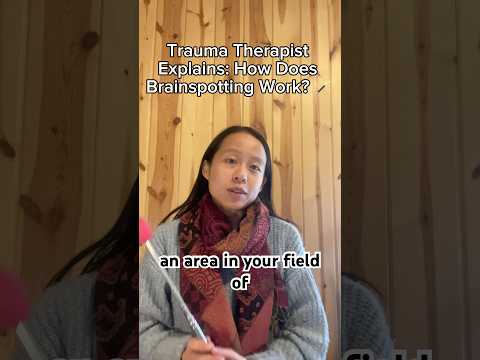
Well, let me tell you about something called Brain Spotting. Sounds fancy, huh? But it’s actually pretty chill. It’s all about finding those spots in your field of vision that can help unlock some serious mental baggage.
Picture this: you’re sitting there, just talking about what’s bugging you. And suddenly, bam! You hit on something—some hidden feeling or memory pops up that you didn’t even know was there. That’s the magic of it!
So, if you’ve ever felt tangled up in your own head or just want to explore some deeper stuff without the usual fluff, this might be worth checking out. Trust me; it’s not as complicated as it sounds!
Exploring Self-Directed Brainspotting: Is It Effective for Personal Healing?
Self-Directed Brainspotting is an interesting concept that’s been popping up more frequently lately. Basically, it’s about using your own ability to access trauma and emotional issues through a specific eye position, which can lead to significant personal healing. The idea is that you can guide your own process instead of relying solely on a therapist.
You’re probably wondering how this all works, right? Well, brainspotting itself focuses on the idea that certain eye positions can help connect you to deep-seated emotions or traumatic experiences. When you identify a “brainspot,” it’s thought that you can process those feelings in a more profound way.
Now, is self-directed brainspotting effective? Research into this area is still developing, but many people report positive outcomes when they try it. It seems to be particularly helpful for anxiety, PTSD, and other emotional distress. Think of how sometimes just talking about something helps clarify your thoughts; brainspotting can amplify that effect by tapping directly into the body’s response.
Here are a few key points about self-directed brainspotting:
- You’re in control: Unlike traditional therapy where someone else leads the session, you get to steer your exploration.
- Eye positions matter: Finding the right spot can be crucial. You may feel drawn to look in certain directions based on what you’re feeling.
- Physical sensations: Many people notice changes in their body as they engage with different thoughts or memories—this aspect is super important.
- Accessibility: You don’t need formal training to start exploring; it’s something anyone can try at home.
- Integration with other methods: Some find combining brainspotting with mindfulness or meditation boosts its effectiveness.
It’s also worth mentioning an emotional story here. A friend of mine was struggling with anxiety after losing her job. She felt stuck in her thoughts and couldn’t shake off the panic attacks she was having every day. After learning about self-directed brainspotting online, she gave it a shot one afternoon. By focusing her gaze on specific spots while tapping into those anxious feelings, she found clarity and even shed some tears that day. Little by little, she started feeling more like herself again.
Now, does this mean everyone will have the same experience? Not necessarily! The effectiveness might vary from person to person based on their unique situations and how they resonate with the technique.
But what we do know is that self-directed brainspotting could be a valuable tool for personal healing if you’re willing to explore it. Just keep in mind – like any self-help method – it might not work for everyone right away or at all! It’s all about finding what resonates with each individual.
In summary, while research continues evolving around self-directed brainspotting, many users find it effective—and there’s no harm in giving it a try if you’re curious! Just remember to approach it gently and listen to what feels right for you along the way.
Understanding Brainspotting: Techniques and Approaches Used by Therapists
Understanding Brainspotting is pretty interesting when you think about it. So, what’s the deal with this technique? Basically, it emerged in the mid-2000s thanks to Dr. David Grand. He noticed that certain eye positions can help access traumatic memories or emotional spots in the brain. Kind of like how you might look at something and just feel a wave of nostalgia wash over you—it’s all connected!
So, how does it work exactly? Well, therapists use a few techniques to guide you through the process. One popular method is to ask clients to focus on a specific issue while looking at a certain point in their field of vision. This is often called “spotting.” It’s like hitting pause on that emotional override and letting your brain do its thing.
And remember, these techniques aren’t one-size-fits-all. Each therapist might approach Brainspotting a bit differently based on what you need and what they know works best for you.
- Focus on Eye Position: The therapist helps pinpoint where you’re looking as you explore emotions or memories.
- Processing Sessions: Once you’re focused, your therapist allows space for feelings or memories to surface naturally.
- Body Awareness: Many folks find that physical sensations come up alongside their thoughts—this is totally normal!
One cool thing about Brainspotting is how it can engage both conscious and unconscious parts of your mind. It’s like peeling an onion—you’re not just getting the surface stuff but really digging deep into more complex feelings.
Another key aspect is attunement between therapist and client. That bond allows for a safe space where vulnerability can thrive. Just like sharing secrets with your best friend, this connection helps bring down walls so deeper issues can be addressed.
It’s also said that patients often leave these sessions feeling lighter or even liberated from stuck emotions. That moment when they realize something has shifted? Yeah, that’s powerful stuff!
All in all, Brainspotting offers unique avenues for people dealing with trauma or other emotional issues. It’s fascinating to see how our brains work through different approaches! Remember, every person is different; if you’re interested in this kind of therapy, chatting openly with someone trained in it could lead to some pretty cool discoveries about yourself!
Brain spotting is one of those concepts that feels a bit out there at first, right? I mean, it’s like blending therapy with a little bit of… I don’t know, magic? But once you get into it, you realize there’s some pretty solid stuff going on beneath the surface.
So picture this: you’re sitting in a cozy room, maybe with a therapist who seems really attuned to your vibe. There are no fancy gadgets or complicated setups—just you and this process. The idea behind brain spotting is that certain eye positions can help access traumatic memories or emotional distress. It’s like your eyes have a secret code to unlock feelings that are buried deep inside.
I had a friend who went through something really rough—let’s just say life threw her some wicked curveballs. She was hesitant about trying new approaches but eventually gave brain spotting a shot after hearing positive stories from others. Her experience was eye-opening (pun intended). She found out that focusing on specific places while talking about her past created space for emotions she had been avoiding for ages. It was like shedding layers of an onion, you know? Each session peeled back something new.
What’s fascinating is how our brains work. They’re wired to protect us from pain, so sometimes we just shove things down. Brain spotting taps into the brain’s natural healing capabilities—who knew our eyes could lead us to emotional breakthroughs? This isn’t just theory; it connects real experiences and stretches beyond what we think we know about therapy.
Sure, it might sound unconventional at first glance, but in practice, many folks claim they find relief through this technique. And isn’t that what we’re all seeking in some way? To feel less burdened by what weighs us down?
So yeah, harnessing this power feels like opening doors you didn’t even know existed within yourself. Whether you’re dealing with trauma or simply trying to untangle emotions after a long week at work, maybe giving brain spotting a shot could help clear up some of that clutter in your mind!