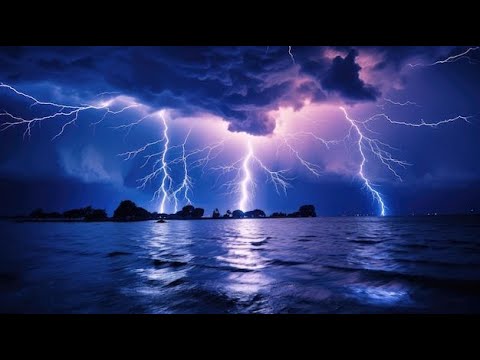
Have you ever noticed how some people just freak out at the sound of thunder? It’s like they hear a rumble and suddenly they’re all in panic mode. That fear has a name: brontophobia.
So, why do some folks get so worked up? I mean, it’s just thunder, right? But for others, it feels like a big, scary monster lurking in the sky.
Let’s take a closer look at how this fear shapes lives. There’s more to it than just hating the noise. It’s about feelings and experiences too.
Understanding Thunder Fear: Is It a Trauma Response?
Fear of thunder, or brontophobia, might sound pretty niche, but it can really shake some folks up. If you’ve ever been caught in a storm, you know how that booming rumble can make your heart race. But what’s behind this fear? Is it just a normal reaction, or is there more to it? So let’s break it down.
First off, fear is a completely natural response. When we hear thunder, our brains can trigger that flight-or-fight response. It’s like an alarm system going off inside us. This is often due to our evolutionary makeup—back in the day, the sound of thunder likely warned people of storms that could be dangerous.
But here’s where it gets interesting: not everyone who hears thunder feels scared. Some people might just shrug it off and go about their day, while others might feel a *wave* of panic wash over them. This difference often ties back to personal experiences or background.
Now, if you’re wondering whether brontophobia could be linked to trauma responses: well, yes and no. If someone has had a traumatic experience related to storms—maybe they were caught in a severe weather event—it could lead to a deeper fear of thunder. That experience can create anxious memories that resurface whenever there’s a storm brewing.
On the flip side, some folks may develop this fear without any clear traumatic event in their past. For them, it could just be about how they learned to respond to loud noises as kids—not uncommon! If they grew up hearing stories about how dangerous storms can be, those ideas can stick around and manifest as anxiety when they encounter thunder.
Interestingly enough, children are often more susceptible to developing fears like brontophobia because their brains are still learning how to process scary things. A child might hear thunder and associate it with danger because of what someone else said or maybe even from watching a movie where something bad happened during a storm.
To dig even deeper into this topic:
- Conditioning: Sometimes we learn fears through classic conditioning—like Pavlov’s dogs but with thunderstorms instead.
- Behavioral Influence: If parents or siblings react strongly to thunder (like freaking out), kids often pick up on those cues and adopt similar fearful responses.
- Anxiety Disorders: For some individuals with anxiety disorders, this fear may tie into broader issues related to anxiety.
If fear holds someone back from enjoying life—like avoiding outdoor events when storms are forecasted—that’s when it’s worth taking some time to figure out strategies for coping with that fear.
So yeah, while brontophobia can stem from trauma for some folks, other times it’s simply about learned behavior and psychological wiring. Understanding where your fear comes from is super important because once you know the root cause—it becomes easier to tackle! Think about ways you can gradually expose yourself in safe settings if those storms start making you anxious; slowly desensitizing yourself might lighten the load over time.
Next time there’s rumbling overhead and your heart skips a beat—just remember: you’re not alone in feeling that way! There are layers behind our fears that blend together personal history and natural reactions.
Understanding Megalophobia: The Psychological Factors Behind the Fear of Giant Objects
Megalophobia is one of those fascinating fears that might make you question how our minds work. It’s the fear of giant objects, like towering buildings, enormous statues, or even massive animals. And just like other phobias, it ties into how we process fear and anxiety.
So the thing with megalophobia is that it can stem from different psychological factors. Let’s break those down a bit.
1. Evolutionary instincts: Our brains have evolved to identify threats in our environment. Big things can seem intimidating because they often represent danger or uncontrollable situations. Imagine walking past a giant statue; your mind might instinctively go to «What if it falls?».
2. Childhood experiences: Sometimes, our fears start when we’re kids. If a child had a scary experience with something large—like being close to an oversized animal or seeing a huge ride at a theme park—they might develop this fear as they grow up. It’s all about how we interpret those early encounters.
3. Cultural influences: The media plays a huge role too! Movies with giant monsters or buildings crumbling can shape how we feel about big things. When you see something massive in a horror flick, your brain links that size to danger.
Now, you may wonder why some people deal with megalophobia while others don’t. Well, here’s where individual differences come in! Genetics and personality traits play big roles here. Some folks might naturally be more anxious or sensitive to their surroundings, making them more likely to develop such phobias.
It’s also interesting to note that megalophobia is often linked with other anxiety disorders or phobias like agoraphobia. If you’re already dealing with overwhelming anxiety about being in open spaces, encountering something gigantic could heighten that stress even more.
But let’s talk about coping mechanisms for this fear. Folks who face megalophobia may find exposure therapy helpful. This involves gradually introducing them to what they fear—in this case, giant objects—until it feels less threatening. So instead of standing right next to the Empire State Building on day one, maybe they’d start by just looking at pictures or watching videos of it from safe distances.
In summary, understanding megalophobia helps us see how deeply our fears are tied into biology and experience around us. Like so many psychological phenomena, it’s not just “all in your head”—it’s complex and personal!
Understanding Astraphobia: Legal Rights and Support for Those Affected by Fear of Thunder and Lightning
Astraphobia, the intense fear of thunder and lightning, is more common than you might think. People who experience this phobia often feel an overwhelming sense of panic when storms roll in. It’s not just a dislike; it can seriously impact their daily lives. For many, the heartbeat quickens, breath becomes shallow, and sometimes, they might even feel like they need to escape the situation entirely.
Now, when it comes to legal rights and support for those affected, it’s essential to recognize that mental health is taken very seriously in many places. Various laws protect individuals with phobias like astraphobia under disability rights legislation. This means that if your fear significantly limits your ability to perform everyday activities—like going outside during a storm—you may be entitled to specific accommodations.
For instance, let’s say you’re in school or at work. If bad weather triggers your anxiety so severely that you can’t concentrate or participate fully, you might have a right to adjustments. This could mean being allowed to work from home during stormy weather or even having someone assist you during these times.
- Reasonable accommodations: Employers might need to offer flexible work schedules or even a quiet place away from windows if storms cause distress.
- Educational support: Schools can provide safe spaces for students who struggle with these situations. They may also allow them to stay inside during breaks when thunderstorms are expected.
- Status as a mental health issue: Astraphobia is recognized within certain frameworks as a legitimate concern that warrants attention and understanding from employers and educators alike.
If you’re living with astraphobia—or know someone who is—it can help to reach out for support. Therapy options can be beneficial; cognitive-behavioral therapy (CBT) is often recommended as it teaches coping mechanisms and gradually exposes individuals to their fears in controlled settings. Also, support groups offer community connections where experiences are shared openly without judgment.
Your local mental health organizations may also offer resources specifically aimed at helping those who suffer from phobias like astraphobia. These groups often understand the nuances of such fears and can help navigate both emotional support and legal rights regarding treatment at work or school.
In summary, understanding astraphobia isn’t just about recognizing the fear—it’s about knowing what support systems are available and how laws exist to protect those affected by this condition. Everyone deserves assistance in managing their fears so they can lead fulfilling lives without undue stress when an unexpected storm rolls through!
So, let’s chat about brontophobia, which is basically just a fancy way to say you’re afraid of thunder. I mean, thunder can be pretty intimidating, right? It rolls in like this unexpected freight train, and if you’re not ready for it, it can rattle your bones. But there’s more to this fear than just the loud noise.
Imagine being a kid and hearing that first crack of thunder during a storm. I remember when I was little; the sky turned dark, and as soon as that sound hit, my heart felt like it was doing somersaults. My older brother would tease me about how big and scary the storm was, but inside, I was a bundle of nerves. It’s that intense reaction that’s at the core of brontophobia.
Now, from a psychological point of view, fears like this often stem from past experiences or traumas. Perhaps someone with brontophobia had a particularly wild storm when they were young—maybe lightning struck nearby or something dramatic happened that created an association between thunder and danger. It’s like their brain decided to hit the panic button every time those rumbling sounds happened again.
Another thing to consider is the unpredictability of thunderstorms. You can’t control when they come or how intense they’ll be. So if you already lean toward anxiety—like many folks do—you might find yourself spiraling into worst-case scenarios every time dark clouds gather in the sky.
But here’s the kicker: this fear can manifest in different ways depending on how someone manages their emotions overall. Some people might avoid going outside during storms while others might experience physical symptoms—like sweating or shaking—when they hear thunder.
To break it down: understanding brontophobia isn’t just about knowing it’s a fear of thunder; it’s also about realizing how our brains create these responses based on personal experiences and emotional patterns. Coping with fears like brontophobia often involves gaining awareness around it and learning some grounding techniques to get through those intense moments when storms hit.
So yeah, whether you’re stuck under blankets hiding from noisy thunderstorms or just feel uneasy whenever those clouds roll in, remember—it’s all part of being human and dealing with what life throws at us…even if that includes some really loud noises from Mother Nature!