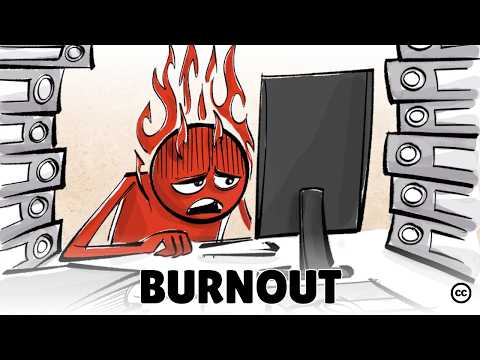
You know, burnout can hit anyone, but for folks with ADHD, it’s like a whole different ball game. Seriously, navigating daily life with ADHD is challenging enough already. Toss in the constant pressure of expectations—ugh!
Imagine trying to stay focused while everything around you feels chaotic. Oof! That’s what it can be like. So many tasks and distractions can leave you totally drained and overwhelmed.
Burnout sneaks up on you, too. One minute you’re managing okay, and the next? You’re just… done. It’s tough to find ways to cope when your brain feels like it’s running on empty.
Let’s chat about this because understanding burnout and how to deal with it could really help you out or someone you care about. We’ll take a look at some practical strategies too, so hang tight!
Navigating ADHD Burnout Recovery: Effective Strategies for Reclaiming Your Life
Navigating ADHD Burnout Recovery can feel like climbing a mountain sometimes—like, seriously tough! When you’re dealing with ADHD, managing everyday life can be overwhelming, leading to a type of burnout that’s unique and often misunderstood. So what exactly does it mean to recover from this specific kind of burnout? Let’s break it down.
ADHD burnout often comes from feelings of constant pressure. You may feel like you’re always racing against the clock, juggling tasks that seem easy for others but are really exhausting for you. It’s not just about being tired; it’s more like an emotional drain. You might find yourself feeling hopeless or even detached from things you once loved. Totally frustrating, right?
To start reclaiming your life after burnout, one effective strategy is to recognize your triggers. What situations or tasks ramp up your anxiety? Maybe it’s deadlines at work or social gatherings. Knowing what stirs up those feelings is half the battle won!
In addition to identifying triggers, establishing a routine can really help. It doesn’t have to be anything fancy—a simple morning ritual can make a world of difference. For instance, try waking up at the same time every day and incorporate small things like stretching or enjoying a cup of coffee in silence before jumping into the chaos.
Another useful tool is setting realistic goals. With ADHD, your brain works differently. So instead of juggling ten tasks at once and burning out even more, focus on completing two or three each day. This way, you get that sweet sense of accomplishment without overwhelming yourself.
And let’s talk about breaks—seriously important! Taking breaks is not slacking off; it’s recharging your batteries! Try the Pomodoro technique: work for 25 minutes straight and then take a five-minute break. This method respects how your brain functions while keeping tasks manageable.
Some people find relief in mindfulness practices. These can help ground you when everything feels chaotic inside your head. Simple breathing exercises or even short meditation sessions can create mental space amidst all the noise.
Moreover, reaching out for support shouldn’t be overlooked either! Sharing what you’re going through with friends or joining support groups can alleviate feelings of isolation. They may relate more than you think—you’re not alone in this!
Finally, consider consulting with a professional who understands ADHD nuances if possible. They can tailor strategies that suit your unique needs better than any generic advice online.
In summary, navigating ADHD burnout recovery is all about understanding what affects you personally and taking manageable steps toward healing:
- Recognize triggers.
- Establish routines.
- Set realistic goals.
- Take regular breaks.
- Pursue mindfulness strategies.
- Seek support from others.
It might take time to feel yourself again, but taking small steps consistently can lead to significant change over time. You’ve got this!
Understanding the ADHD Burnout Cycle in Adults: Causes, Symptoms, and Strategies for Recovery
Understanding ADHD burnout is super important, especially for adults navigating life with attention deficit hyperactivity disorder (ADHD). It’s like riding a rollercoaster that you didn’t really sign up for. So, let’s break down the burnout cycle, why it happens, what signs to look for, and ways to help bounce back.
What Causes ADHD Burnout?
People with ADHD often deal with a lot of stress due to the demands of daily life. You might feel overwhelmed by work, relationships, or even just getting through your to-do list. This struggle can lead to exhaustion over time. The burnout cycle usually starts when you push yourself too much in an attempt to keep up with others or meet your own expectations.
You know that feeling when you’re trying to juggle too many balls? Eventually, one drops. That’s kind of what happens with ADHD burnout. The brain gets tired from constantly having to switch between tasks and manage distractions. It’s not just mental fatigue; it can be emotional too. You might find yourself feeling drained and unmotivated.
Symptoms of Burnout
Recognizing the symptoms is crucial because they can sneak up on you. Here are some common ones:
Think about a time when you couldn’t find the energy to do something you normally enjoy—and instead just scrolled through your phone feeling empty inside. That’s burnout creeping in.
The Burnout Cycle
The burnout cycle often follows this pattern: First comes demand, where responsibilities pile up and create stress; then there’s buildup, where fatigue increases without relief; followed by bingeing on activities, where you may overcommit yourself; and finally, crash. This crash leaves you feeling completely spent—physically and mentally.
This cycle can repeat itself quite viciously if nothing changes. And it’s easy to think: “I’ll just push through this.” But pushing through doesn’t really solve anything; it often makes things worse.
Coping Strategies for Recovery
Now that we’ve painted the picture, let’s get into some strategies for recovery:
And remember: It’s totally okay to seek support from friends or professionals if things get tough—like talking things out can sometimes clear up the fog.
Overall, understanding the ADHD burnout cycle helps create awareness around those ups and downs we all face. Recognizing symptoms early on allows for some easy strategy tweaks before things spiral out of control! This journey may be tough at times but keep in mind you’re not alone in it.
Understanding ADHD Burnout vs. Autistic Burnout: Key Differences and Insights
Understanding ADHD burnout and autistic burnout is like trying to navigate two different but somewhat overlapping paths. Both can be exhausting but stem from different experiences and challenges.
ADHD Burnout: What is it?
When someone with ADHD experiences burnout, it often comes after intense periods of focus or the overwhelming effort to fit into societal expectations. You might feel mentally wiped out, frustrated, and even a bit hopeless. It’s like running a marathon without any training.
For example, maybe you’ve been working hard to meet deadlines at work or school, pushing yourself to stay organized and focused. At first, it feels manageable. But over time, you start forgetting things—like appointments or even your lunch—then suddenly everything feels chaotic. You can’t think straight and just want to zone out in front of the TV.
Autistic Burnout: A Different Beast
Now, autistic burnout has its own flavor. It typically arises from prolonged stress due to social demands or sensory overloads that come with navigating a world that’s not always designed for you. Imagine constantly having to mask your true self in social situations or deal with loud noises when all you want is peace. Over time, this can lead to a full system shutdown.
You might notice that someone experiencing autistic burnout may withdraw from friends or family completely and struggle with everyday tasks they usually manage just fine. It’s that feeling when you’ve had enough of pretending, and everything shuts down—emotionally and physically.
Key Differences Between the Two
Here are some subtle but important differences:
- Causative Factors: ADHD burnout often relates more to disorganization and the pressure of constant attention management, while autistic burnout springs from social fatigue and sensory overload.
- Symptoms: In ADHD burnout, symptoms might include irritability and forgetfulness; in autistic burnout, you’ll often see withdrawal and emotional dysregulation.
- Duration: ADHD burnouts may vary in length but can often feel intense briefly before lifting a bit after rest; autistic burnouts may take longer to recover from as they can lead to deeper emotional exhaustion.
Both types of burnout need understanding because they’re real struggles that affect people’s lives significantly. Deploying coping strategies is key for anyone going through either kind of burnout.
So whether you’re navigating the winding road of ADHD or facing the quiet storm of autism-related challenges, recognizing these differences can really help in finding effective ways to cope with those tough moments. Just knowing you’re not alone in this can be such a relief!
Burnout can feel like this heavy fog that sneaks up on you, especially if you have ADHD. It’s like you’ve been running on this treadmill at full speed, but the more you push, the more exhausted you feel. You know what I mean?
Imagine trying to focus on a task while your brain is throwing a party filled with distractions. For someone with ADHD, that’s just a regular Tuesday. You’re juggling tasks, probably multitasking in ways that even circus performers would raise an eyebrow at! But then, suddenly—bam!—the energy runs out. The excitement fades, and everything feels overwhelming.
Many folks think of burnout as just being tired or stressed out from work or life in general. But for those with ADHD, it often dives deeper than that. It can be this feeling of frustration mixed with exhaustion and sometimes even a pinch of hopelessness. You might start questioning your abilities or feel like you’re just not measuring up.
One thing I’ve noticed is how important breaks are when you’re juggling all those thoughts and tasks. Regular downtime isn’t just nice; it’s essential! Think about it: when was the last time you took a moment to breathe? Really breathe? Sometimes it helps to step back from the whirlwind of responsibilities and let your brain have a little vacation—even if it’s just for ten minutes.
There’s also this tendency to put pressure on yourself because of those pesky expectations we face every day—whether they’re self-imposed or coming from outside sources. You want to accomplish something, but then there’s this nagging feeling that maybe you’re falling behind or not doing enough. That’s where recognizing burnout becomes crucial. Learning to spot those signs early can save you from hitting a wall.
Emotional support is key too! Talking things out with friends or family can really make a difference in reducing that weight on your shoulders. Having someone who gets what you’re going through can be such a relief.
In short, dealing with burnout when you have ADHD requires some strategic thinking and self-compassion. It’s about tuning in to yourself without judgment and finding ways to recharge without feeling guilty for stepping back from the chaos—even if it’s just for a little while. Life isn’t all about constant productivity; sometimes it’s about preserving our sanity so we can bounce back stronger later on!