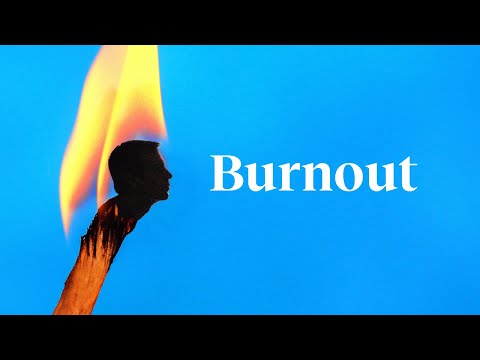
You know that feeling when you just can’t? Like, everything about work feels heavy, and you’re dragging yourself through your to-do list?
Well, that’s pretty much burnout knocking at your door. It’s not just being tired or stressed. It’s like this heavy fog that creeps in and makes your job feel like a never-ending grind.
I think most of us have been there at some point. You push yourself, but instead of feeling accomplished, you feel… empty. It’s important to understand what’s going on under the surface.
So let’s dig into it! We’re gonna chat about what burnout really is and peek into the psychology behind it. It might just shed a little light on why we feel this way sometimes. Ready for a little insight? Let’s go!
Exploring Workplace Burnout: A Psychological Perspective – Comprehensive PDF Guide
Workplace burnout is a big deal these days. Seriously, it’s everywhere. But what exactly does it mean? In simple terms, burnout is that feeling of exhaustion and detachment you get from work when you’re just done, you know? It can drain your energy and mess with your motivation.
So, what causes this burnout? Well, it’s usually a mix of several things. Here are some of the major culprits:
- High workload: When you’re juggling way too many tasks without enough help, it’s like trying to swim against a current.
- Lack of control: Feeling powerless in your job can lead to frustration. Imagine being told how to do everything but having no say in the process.
- Unclear expectations: Not knowing what’s expected from you can be super stressful. It’s like running a race without knowing where the finish line is.
- Poor work-life balance: If work takes over your life and leaves no time for yourself, then yeah, you’re on the road to burnout.
- Toxic workplace culture: Constant negativity or lack of support from colleagues can leave you feeling isolated.
And here’s where it gets tricky: burnout doesn’t just affect your work life; it seeps into other areas too. For instance, I remember talking to a friend who always seemed exhausted. She used to love her job but gradually felt overwhelmed. The more she worked, the more she lost interest in her hobbies and even friendships!
On the psychological side of things, burnout can trigger various emotional responses. You might feel:
- **Irritable**: Little things that never bothered you before might start getting under your skin.
- **Numb**: A sense of detachment from your work or even people around you becomes common.
- **Hopelessness**: It feels like there’s no way out or that nothing will change.
So how does this impact your brain? Basically, chronic stress releases cortisol into your system which dampens brain function over time. Your ability to focus sharpens less and less until tasks feel impossible.
Now, dealing with burnout isn’t just about “toughing it out.” It’s important to acknowledge those feelings instead of pushing them away. Taking breaks helps immensely! A short walk or even just stepping outside for fresh air can reset your mind.
Additionally, don’t hesitate to talk about what you’re going through—whether it’s with a friend or someone at work who understands. Sometimes **just sharing** how overwhelmed you feel can lighten the load.
In summary, recognizing workplace burnout is key because it’s not just about feeling tired; it’s about protecting yourself mentally and emotionally. Understanding its roots gives people a clearer view so they can find healthier ways to cope and restore their passion for their work—and remember that taking care of yourself isn’t selfish; it’s necessary!
Understanding Maslach Burnout Theory: Comprehensive PDF Guide and Insights
Burnout is like that slow creep of exhaustion that just sneaks up on you. You know, when you feel drained, and no amount of coffee can fix it? This feeling ties into **Maslach Burnout Theory**, which digs deep into what burnout means and how it manifests in the workplace.
So, basically, Maslach identified three main components of burnout:
- Emotional Exhaustion: This is where you feel totally worn out emotionally. Imagine working day in and day out with no break. You start to feel like you’re running on empty.
- Cynicism: This part shows up when you get disconnected from your work or colleagues. It’s like waking up one day and thinking, “Why am I even doing this?”
- Reduced Professional Efficacy: You know that feeling when you doubt your own abilities? That’s it! You start to think, “Am I even good at my job anymore?”
Let’s break these down a little more.
**Emotional Exhaustion** can be particularly distressing. It’s that moment when Sunday night rolls around, and instead of relaxing for the week ahead, you’re already feeling the Monday blues creeping in. A friend once told me she’d come home after a long shift completely drained—she couldn’t even muster the energy to cook dinner or enjoy a show. That’s what emotional exhaustion feels like.
**Cynicism** often creeps in as well. Picture this: you’re working on a project with your team, but instead of being excited about the outcome, you’re rolling your eyes at every suggestion they make. You start questioning if anything will really change or improve anyway.
Then there’s **Reduced Professional Efficacy**—what a mouthful! But simply put, it happens when self-doubt takes over and your motivation plummets. Like working hard on something only to feel like all those hours were wasted because nothing seems to work out right anymore.
Maslach’s theory emphasizes these feelings aren’t just individual issues; they’re often symptoms of deeper problems within an organization—like poor leadership or overwhelming workloads.
But wait! Burnout isn’t just about feeling bad at work; it can spill over into personal life too. Have you ever noticed how cranky someone is after a tough week at their job? They might snap at their friends or family for tiny things because they’ve got no emotional reserves left.
To tackle burnout effectively, organizations need to make some changes:
- Create supportive environments where employees feel valued.
- Encourage open conversations about workloads.
- Promote work-life balance through flexible schedules.
It’s all interconnected! Addressing these aspects can help prevent burnout from taking hold and allows employees to thrive instead of just survive.
In short, understanding Maslach Burnout Theory helps not only recognize these feelings but also push for healthier workplaces where people can actually feel fulfilled and engaged rather than exhausted and cynical. So next time you’re feeling that weight on your shoulders, remember: it’s valid—and there’s definitely a way out!
Exploring Burnout: Key Research Insights and Their Impact on Psychiatry
So, burnout, huh? It’s become a super common term these days, especially with the fast-paced world we live in. It’s not just being tired after a long day at work; it’s like hitting a wall where you just can’t go on anymore. Let’s unpack this a bit.
What is Burnout?
Basically, burnout is that overwhelming feeling of exhaustion—physical, emotional, and mental—that often comes from prolonged stress at work. You know those days when you feel like you’re dragging yourself in? That sense of futility creeps in when you’re so over it that even coffee can’t help.
Key Signs:
You might experience things like:
- Constant fatigue and lack of energy.
- Feeling detached or cynical about your work.
- Trouble concentrating on tasks.
- Reduced performance—like you’re stuck in slow-mo.
Now, research shows burnout isn’t just personal; it has real implications on how we view mental health in workplaces. Studies have pointed out that workplace burnout can lead to serious mental health issues like anxiety and depression.
The Impact on Psychiatry
So, here’s where it gets interesting for psychiatrists and mental health professionals. They’re really starting to see how important it is to recognize burnout as more than just a phase or something people will “get over.” Burnout can do some serious damage if left unchecked.
Let me share a quick story: Think about someone named Alex. Alex was once super passionate about their job but started feeling drained and unmotivated. At first, they chalked it up to “just a busy season,” but weeks turned into months without relief. Eventually, Alex felt depressed and anxious about going to work at all. This shift from stress to full-blown burnout wasn’t just tough for Alex—it also hurt the whole team because their productivity dropped significantly.
This kind of situation points out the need for businesses to pay attention—to really grasp how rising levels of stress at work affect their employees’ mental well-being. The psychological lens here helps us understand that creating supportive environments can make all the difference.
Research Findings
Studies reveal some key insights about burnout that are being woven into psychiatric practice:
- Prevalence: A lot of workers face significant levels of burnout; estimates say nearly 60% report feeling burnt out.
- Causation: It’s often linked back to heavy workloads, lack of control over tasks, and insufficient support from management.
- Coping Strategies: Things like regular breaks, social support among colleagues, and clear communication can reduce risks considerably.
In essence, recognizing these patterns means getting ahead of potential crises before they escalate into more severe mental health issues.
Burnout isn’t just an individual fight; it’s also an organizational challenge that needs attention—especially by those leading teams or running businesses. When people understand its roots better through psychology research, they can take meaningful steps to address it.
So next time you hear someone mention feeling burned out at work, remember: it’s not just them whining but rather an important emotional state shaped by many factors—and one worth addressing seriously!
Burnout. You’ve probably heard the term floating around, especially in the context of work. It’s like this heavy fog that creeps into your life, turning even the simplest tasks into monumental efforts. And honestly, it’s becoming more common these days.
So picture this: Imagine you’ve been grinding away at your job for months on end. At first, you’re super motivated—early mornings, late nights, and you’re on top of your game. But over time? That excitement fades. Your to-do list starts to feel like a mountain, and suddenly, you can’t even muster the energy to reply to emails. That feeling? Yeah, that’s burnout kicking in.
From a psychological standpoint, burnout is not just about being overworked; it’s more like a complex emotional response to chronic stress in the workplace. It can mess with your mood and make you feel kind of detached from everything and everyone around you—like you’re just going through the motions. You might notice you’re irritable or short with coworkers or have trouble concentrating during meetings.
But where does it come from? Well, there are a few contributing factors at play here. Sometimes it’s about unrealistic expectations—yours or your boss’s! Maybe it’s feeling undervalued or lacking control over your work environment. Let’s face it; if you’re not getting the support you need or if your workload seems never-ending, it’s easy to feel trapped.
A friend of mine went through this whole thing last year. He worked for a startup that stretched him thin with constant deadlines and zero breaks. At first, he was all-in; then he started pulling those late nights filled with caffeine but ended up feeling empty and exhausted all day long. Eventually, he hit a wall where just getting out of bed felt like scaling Everest.
The mind is powerful but also super delicate when it comes to stressors like this. With prolonged exposure to stress without adequate recovery time—your brain basically raises a white flag and says “I’m done.” In psychological terms, burnout is often classified under «emotional exhaustion.» It’s crucial to recognize these signs early because once they set in deep enough? Getting back on track can be really tough.
Talking about solutions isn’t just about taking your vacation days (though don’t skip those). It’s also about creating boundaries at work and making room for yourself—even if it feels selfish sometimes! Finding balance has got to be priority one; whether that’s implementing breaks throughout your day or setting realistic goals for yourself.
So yeah, burnout isn’t just a buzzword—it’s a real experience many folks face when navigating the modern workplace jungle. Staying aware of how you’re feeling mentally and emotionally is key if you want to avoid running yourself into the ground!