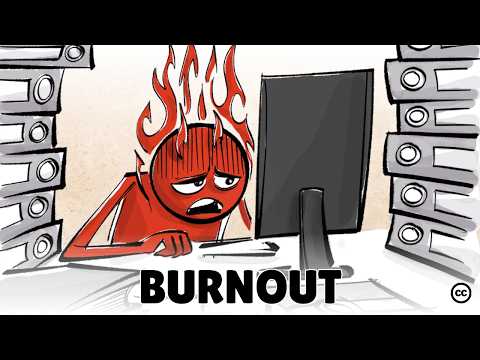
Burnout depression. Yikes, right?
It sneaks up on you. One minute, you’re cruising through life. The next, everything feels like it’s piled on your shoulders. You can’t shake that overwhelming sense of exhaustion.
You’ve probably felt it before—like you’re running on empty but can’t stop. It’s frustrating and draining, for sure.
Let’s chat about what’s really going on in your head during these dark times. You know, the stuff we don’t always talk about openly?
Grab a coffee or tea; let’s dig into this together and see how to kick burnout to the curb!
Strategies for Preventing Burnout in Mental Health Professionals: A Comprehensive Guide
Burnout is, like, a really big deal for mental health professionals. You’re constantly giving your all to others, and that can be draining. Seriously, it’s easy to forget about your own needs when you’re focused on helping others. So, let’s chat about some strategies that might help keep burnout at bay.
Recognize the Signs Early
One of the first steps is recognizing when you’re headed toward burnout. Maybe you start feeling exhausted all the time? Or there’s this lingering sense of detachment from your work? Being aware of these signals can make a massive difference. For instance, if you notice you’re getting irritable or feeling unmotivated, that’s a big red flag!
Set Boundaries
You’ve gotta set some boundaries around your work life. You know how tempting it is to say yes to every request? But later on, you’re like, “Why did I do that?” It’s okay to say no sometimes! Make sure you carve out time for yourself and don’t feel guilty about taking a break.
Regular Supervision and Peer Support
Having regular supervision can be super helpful. It’s like having a safety net where you can process your feelings and experiences with someone who gets it. Also, connecting with peers—those who understand what you’re going through—can provide necessary support too. Sometimes just sharing a laugh or discussing challenges can lighten the load.
Self-Care Routines
Self-care isn’t just a trendy phrase; it’s crucial! Find activities that truly recharge you—whether it’s yoga, reading comic books, or simply hanging out with friends. Integrate these into your routine so they become as essential as brushing your teeth!
Mindfulness Practices
Practicing mindfulness can be effective in reducing stress levels. This could involve simple things like meditation or taking mindful walks in nature. Even just five minutes of focusing on your breath can bring calm when everything feels chaotic.
Professional Development
Sometimes burnout stems from feeling stagnant in your career. Engaging in professional development—like attending workshops or courses—can reignite that passion and motivation for what you do. Learning new skills could put some spark back into your day-to-day worklife.
Taking Breaks
Don’t underestimate the power of breaks! Short breaks during sessions or longer vacations are essential to recharge mentally and emotionally. You can’t pour from an empty cup; taking time off helps refill yours!
Adequate Work-Life Balance
Try balancing work with fun activities outside of it! If you’ve got hobbies or interests besides work (which I hope you do!), make time for them without guilt. Whether it’s cooking up new recipes or hitting the gym, letting loose helps maintain perspective and keeps things fresh.
In summary—even if you’re committed to helping others through tough times—it’s vital not to neglect yourself in the process. If you’ve found these suggestions helpful but still feel overwhelmed at times (and that’s totally okay), seeking additional support could also be beneficial!
Understanding Burnout Symptoms: Key Signs and Strategies for Recovery
Burnout is one of those things that creeps up on you. At first, you might just feel tired or kinda off. But then, feelings of overwhelm start to pile up. Let’s break down what burnout looks like and how to find your way back.
What are the Symptoms?
Burnout can manifest in various ways. Here are some common symptoms:
- Exhaustion: You feel drained, both physically and emotionally. Like, even getting out of bed feels like running a marathon.
- Cynicism: You might start feeling negative about your work or even question if it’s worth it at all. Everything can seem pointless.
- Ineffectiveness: You might doubt your skills or feel like you’re not accomplishing anything, no matter how hard you try.
- Withdrawal: Social interactions can feel overwhelming. You might pull back from friends or family because it feels easier.
Imagine this: You’ve been working late nights and weekends for months. Then one day, your friend asks how you’re doing, and instead of the usual “I’m fine,” you just say “I don’t know anymore.” That’s a pretty clear sign something’s off.
The Causes of Burnout
So why does this happen? It can stem from various sources:
- Workload: Sometimes when you’re juggling too many tasks without enough support, it leads to burnouts.
- Lack of control: If you feel like decisions aren’t in your hands—be it at work or in life—it can really drag you down.
- Unclear expectations: Not knowing what’s required from you can create tension and anxiety.
Picture working on a project without clear guidelines—it’s frustrating! And not knowing if you’re doing things right? That just adds stress.
Coping Strategies
Recovering from burnout isn’t an overnight fix; it takes time and some conscious effort. Here are a few strategies:
- Pace Yourself: Reevaluate your workload. Don’t hesitate to ask for help when you’re overwhelmed.
- Create Boundaries: Learn to say no sometimes! Protecting your time is crucial for avoiding burnout later on.
- Simplify Tasks: Break things down into smaller steps so they don’t seem as daunting. Small wins can boost your mood!
Let’s say you’re preparing for a big presentation at work—try breaking it into sections over the week rather than cramming everything in one night.
The Importance of Self-Care
This part can’t be overstated: prioritize yourself! Make time for activities that rejuvenate you, whether it’s reading, exercising, or finding a new hobby that excites you.
And don’t forget about social connections! Reaching out to someone—a friend or even talking through things with someone who gets it—can lighten that heavy load.
Remember: recovery isn’t linear; some days will be better than others, and that’s totally okay! Just take each step as they come, and be kind to yourself during this process.
Burnout is tough, but understanding its signs and implementing strategies for recovery can put you back on track. By recognizing these symptoms early on and taking proactive measures, you’ll build resilience against future burnouts too!
Recognizing Psychological Burnout: Key Symptoms and Insights for Recovery
Recognizing psychological burnout is crucial, especially in a world that seems to demand more and more of us. So, let’s break this thing down.
Burnout is like that heavy, gray cloud that hovers over you when you’re feeling completely drained. It can hit anyone—students, parents, workers—basically anyone trying to juggle life’s demands. The thing is, it sneaks up on you, so spotting it early can really help in turning things around.
Here are some key symptoms:
- Exhaustion: This isn’t just feeling a bit tired after a long day. It’s a deep sense of fatigue that doesn’t go away even after resting.
- Cynicism: You might feel detached or become increasingly negative about your work or life situation. It’s like you’ve switched from hoping for the best to expecting the worst.
- Reduced Performance: Tasks that used to seem easy now feel overwhelming. You might find it hard to concentrate or feel less competent at your job.
- Physical Symptoms: Stress can also manifest physically—think headaches, stomach issues, or even insomnia. Your body sends clues when your mind is overwhelmed.
- Emotional Instability: Mood swings might become common; one minute you’re fine and the next you’re frustrated or sad without much reason.
Let me tell you about an acquaintance of mine, Sarah. She was always the go-getter—a brilliant marketing manager who everyone looked up to. But slowly, she started feeling emotionally drained and cynically dismissed her team’s ideas. One day, she realized she hadn’t felt joy in her work for way too long. That was her wake-up call to seek help.
Now, if you spot these symptoms in yourself (or someone else), what do you do? Recovery isn’t about flipping a switch but rather making gradual changes.
Coping Strategies
- Pace Yourself: Don’t try to do everything at once. Break tasks into manageable chunks and take breaks!
- Talk It Out: Share how you’re feeling with friends or loved ones; sometimes just voicing your struggle lightens the load.
- Meditation and Mindfulness: These practices help ground you in the present moment and can calm the chaotic thoughts swirling around.
- Create Boundaries: Know your limits! Say no when things get too overwhelming or schedule downtime for yourself.
- Pursue Hobbies: Engage in activities that bring joy outside work—whether that’s painting, hiking, or reading a good book!
In Sarah’s case, she started setting boundaries at work and took weekends off for herself—no emails! She also took up yoga; surprise surprise—it helped her immensely.
Remembering that burnout isn’t just «being tired» but a real psychological state is key here. Recognizing it early means you’re already on the right path toward recovery. It’s about listening to yourself and making those necessary adjustments along the way—you’ve got this!
Burnout is one of those things that creeps up on you, isn’t it? Like, you wake up one day, and everything feels heavy—your job, your relationships, even just getting out of bed. It’s like a fog rolled in unexpectedly. You’re exhausted, but you can’t really pinpoint why. It’s more than just physical tiredness; it gets into your soul and leaves you feeling drained.
I remember chatting with a friend who’d been going full throttle at work for months. He used to be so passionate about his projects, but then one day he just snapped. He told me he couldn’t focus anymore and everything felt pointless. That’s when I realized burnout isn’t just about overworking; it’s a complex emotional state that can lead to depression if left unchecked.
So what’s really going on here? Burnout often happens when you feel overwhelmed and unsupported at work or in life. Basically, you’re giving so much of yourself without recharging your batteries. Your body and mind need balance! And when there’s no balance, it’s like pouring water into a cup with a hole—you’re constantly losing energy and motivation.
Now, let’s look at the psychological side a bit. There are certain patterns that can make someone more susceptible to burnout. Perfectionism, for example—if you’re always striving for an unattainable ideal, it can feel like an uphill battle that never ends. Or maybe you’ve got this deep-rooted fear of failure that pushes you to work harder because stepping back feels like giving up.
Recognizing these patterns is crucial because awareness is the first step toward change. When you’re caught in that cycle of hustle and feeling blue about it all, being conscious of what’s happening can help snap you out of autopilot mode.
And coping strategies? They don’t have to be elaborate! Sometimes simple stuff works wonders—like establishing boundaries at work or taking regular breaks throughout the day (seriously). Even something as basic as going for a walk or talking to someone who gets it can help break the spell of burnout.
Of course, seeking professional help is also valid; therapists can provide new perspectives and tools for dealing with these feelings if they become overwhelming. Sometimes having an outside viewpoint changes everything!
But ultimately, everyone deals with burnout differently; while some might find solace in journaling or meditation, others might simply need a good laugh with friends or even just some time off to recharge—even if it’s short.
So remember: acknowledging what you’re feeling is key here! Burnout doesn’t have to define your life; with time and self-compassion (and maybe some ice cream), it really can get better. Seriously!