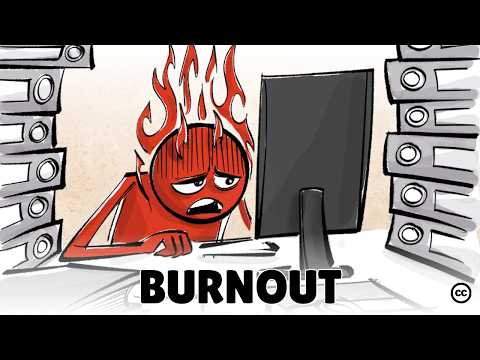
Ever felt like you’re running on empty? Like, you wake up and you’re already tired? Yeah, me too.
Exhaustion isn’t just about not getting enough sleep, although that definitely plays a part. It’s like this heavy blanket that wraps around you, making everything seem tougher than it should be.
We all have those days where even the smallest tasks feel monumental. In our busy lives, it’s easy to forget that feeling drained is totally normal. But here’s the thing: understanding why we feel this way can really help us cope.
So let’s chat about it! We’ll explore some insights from psychology that can shine a light on your exhaustion. You might find a few surprising nuggets in there. Ready?
Effective Treatment Options for Mental Fatigue: Strategies to Rejuvenate Your Mind
Mental fatigue, huh? It’s that heavy feeling when your brain just seems to be running on empty. You might feel like you can’t focus, or even that your thoughts are moving in slow motion. It’s not just annoying; it can seriously affect your day-to-day life and happiness. But the good news is there are effective treatment options to help you bounce back. Let’s break this down a bit.
Understanding Mental Fatigue
First off, mental fatigue isn’t just about being tired after a long day at work. It’s often a symptom of prolonged stress, anxiety, or even burnout. You know when you’ve been staring at the same page for hours but couldn’t tell you what it said? That’s mental fatigue creeping up on you.
Rest and Recovery
So, what can you do? One of the most straightforward approaches is to prioritize rest. I mean real rest—not just scrolling through your phone while pretending to unwind. It could be taking short breaks throughout the day to give your mind a breather or simply getting a good night’s sleep.
- Consider setting aside some time before bed to wind down—maybe read a book or listen to calming music.
- A 20-minute power nap can also work wonders if you’re feeling drained!
Physical Activity
Next up is movement! Getting active doesn’t have to mean hitting the gym hard core; it could be going for a relaxing walk or doing some light stretching. Exercise releases endorphins, which can clear up that foggy feeling in your head.
- You might find that even dancing around in your living room lifts your spirits.
- Yoga is another great option; it’s all about connecting breath with movement, which can really help rejuvenate your mind.
Mental Breaks
Taking genuine mental breaks is crucial too! Engaging in activities that require little cognitive load can help recharge those batteries.
- Try out hobbies like painting, gardening, or cooking something simple—whatever helps distract and refresh you.
- Even watching a comfort show without zoning out could provide some much-needed escape!
Meditation and Mindfulness
Meditation and mindfulness practices have gained popularity for good reason—they’re super effective against mental fatigue! Just sitting still for a few minutes and focusing on your breath can make all the difference.
- You don’t need fancy apps; even five minutes of focused breathing can bring clarity and calmness.
- Try guided meditations if you’re unsure where to start—they’re like roadmaps for your thoughts.
Nutrition Matters
What you eat affects how you feel mentally, too! A balanced diet rich in antioxidants (like fruits and veggies) and omega-3 fatty acids (hey there, fish!) supports brain health.
- Avoiding excessive sugar or caffeine spikes might keep those energy levels stable without crashing later on.
- Dropping processed foods for whole grains can also do wonders—you want steady fuel for that brain of yours!
Sociability Counts
Lastly, don’t underestimate human connection! Sometimes talking things out with friends or family helps release pent-up emotions and gives new perspectives.
- You might plan coffee dates or virtual hangouts to fill up on social interaction—even if it’s just light chatting!
- A good laugh with friends really does rejuvenate the mind!
In summary, caring for mental fatigue involves plenty of strategies focused on rest, physical activity, breaks from thinking hard, mindful practices, smart eating choices, and social connections. By combining these elements into your routine—even small changes—can lead to significant improvements. You got this!
Understanding Mental Fatigue Symptoms: Signs, Causes, and Coping Strategies
Mental fatigue can feel like you’re running on empty, you know? It’s that drained feeling where even the simplest tasks seem challenging. You might wonder why it’s happening and how to manage it. So, let’s break this down in a casual way.
Symptoms of Mental Fatigue
First off, you could notice some pretty clear signs when you’re mentally fatigued. It might start with difficulty concentrating. You know, like when you reread the same sentence multiple times and still don’t get it. Then there’s irritability—you snap at friends or family over small things.
Another symptom? Lack of motivation. Suddenly, that task you once enjoyed seems like climbing a mountain with no end in sight. And of course, don’t forget about memory lapses! You might find yourself forgetting appointments or misplacing your keys more often than usual.
Causes of Mental Fatigue
Now let’s talk causes because they’re super important in understanding mental fatigue better.
- Stress: High levels of stress from work or personal life can wear you down.
- Sleeplessness: Not getting enough sleep can really mess with your brain function.
- Poor Nutrition: Eating junk food instead of balanced meals leaves your body—and brain—short on fuel.
- Lack of Physical Activity: Sitting all day can zap your energy!
Think about that time you had a big project due at work; the stress kept building up, and before you knew it, you felt completely wiped out!
Coping Strategies
So how do we deal with this mental fatigue? Here are a few strategies that could help:
- Take Breaks: Seriously, stepping away for even just a few minutes can refresh your mind.
- Meditation: Just sitting quietly and focusing on your breath can help clear out the mental clutter.
- Create Boundaries: Don’t overload yourself! Know when to say no to avoid extra stress.
- Stay Active: Even a short walk can boost endorphins and help shake off that tired feeling.
You might remember last winter when everything felt overwhelming? Maybe scheduling short breaks to binge-watch something silly helped lift your spirits!
Remember, everyone experiences mental fatigue differently, so it’s crucial to pay attention to how you’re feeling. Understanding these symptoms and causes is key; then combining some coping strategies can make a significant difference in tackling that exhausting haze.
Keep an eye on your energy levels—mental exhaustion happens to everyone at some point. The key is not letting it kick your butt for too long!
Understanding the Mental Fatigue Test: Purpose, Applications, and Benefits in Legal Contexts
So, mental fatigue. It’s like that feeling when you’ve been staring at a screen for hours, and everything just feels fuzzy. This doesn’t just happen to us during long workdays; it can actually have significant implications in various fields, particularly in legal contexts. Let’s break this down.
The Mental Fatigue Test is designed to measure how tired your brain is after doing a bunch of mentally exhausting tasks. The purpose? To understand how mental fatigue affects cognitive functions like decision-making, attention, and memory. In legal scenarios, this can be super important because it can help gauge a person’s ability to perform under pressure or even testify accurately.
Now, you might wonder how this all plays out in the real world. Picture a courtroom scene where a witness is being grilled for hours on end. If that witness starts to show signs of mental fatigue—like struggling to remember details or losing their train of thought—this could seriously impact the case. That’s where mental fatigue testing comes in handy.
- Applications: It helps lawyers assess whether someone was able to think clearly at crucial moments.
- Benefits: It provides scientific backing for arguments about someone’s state of mind during critical events.
- Evidence in Court: Results from these tests might even be used as supporting evidence during trials.
Think about it like this: if someone was involved in an accident but was mentally exhausted before it happened, that context really matters! Understanding their level of exhaustion helps clarify how they processed information leading up to the event.
But wait! Implementing these tests isn’t always straightforward. There are ethical considerations too. You definitely want to ensure that individuals are treated fairly and that their rights are respected throughout the testing process.
One more thing—mental fatigue isn’t just about feeling sleepy or needing coffee; it can affect your judgment and emotional well-being as well. For example, chronic mental fatigue could lead to poor performance at work or even impact personal relationships because you just don’t have the energy to engage meaningfully with others.
In summary, understanding mental fatigue and its implications is vital not only for individual well-being but also within legal frameworks where decisions can hinge on clarity of thought under stress. It’s all interconnected! So next time you’re feeling drained after a long day of problem-solving or studying, remember—the way your brain feels really does matter!
You know that feeling when you’re just so worn out that even the thought of getting up feels like a mountain to climb? Yeah, exhaustion can really take a toll. We all have those days—maybe it’s work stress piling up, family responsibilities, or just life throwing unexpected curveballs. It’s interesting, though. Psychological science offers some insights into why we feel this way and how we can cope.
I remember one time I was juggling a ton of commitments—work projects, social events, and trying to keep up with my hobbies. It was like I’d signed up for an Olympic sport in multitasking! One evening, I hit a wall. I could barely focus on my favorite TV show. Instead of relaxing, I found myself staring blankly at the screen. That’s when it hit me: I was exhausted—not just physically but mentally too.
So here’s the deal: exhaustion isn’t just about lack of sleep or physical activity. It can also be emotional and mental fatigue. You might think you’re fine because you got a decent night’s sleep but then realize your mind is racing with worries or stress. That kind of exhaustion is sneaky because you might not even recognize it right away!
Psychological science talks about different coping strategies that can help us manage this overwhelming feeling. For example, practicing mindfulness seems to be beneficial in calming your racing thoughts. Imagine sitting quietly for a few minutes, focusing on your breath rather than your endless to-do list; crazy how much clarity that can bring!
And then there’s the importance of setting boundaries—saying “no” sometimes so you don’t overcommit yourself is crucial! It’s okay not to be available for every gathering or project request; it doesn’t mean you’re lazy; you’re preserving your energy.
Also, let’s not forget about social support! Connecting with friends and family can be such a relief when you’re feeling drained. A simple chat over coffee or even a text check-in can boost your spirits more than you think.
In short, coping with exhaustion involves understanding its different forms and being kind to yourself as you figure out what works best for you. When life gets chaotic and tiresome—and trust me, it will—remember: taking care of your mental health doesn’t mean you’re slacking off; it means you’re being smart about how to recharge and keep going strong!