You know, nursing is one of those jobs that can really take a toll on you. It’s not just long hours and crazy shifts; there’s this emotional rollercoaster, right?
Every day, you’re caring for people at their most vulnerable. That kind of connection? It’s powerful but also draining.
Ever heard of compassion fatigue? It sounds fancy, but it basically means feeling emotionally exhausted from all the caring you do. And trust me, if you’re in healthcare, there’s a good chance you’ve felt it.
It’s tough. You’re giving so much of yourself while trying to stay strong for others. Sometimes it feels like your own tank is running on empty.
So how do you deal with that? Let’s chat about some ways to cope and find your groove again in this wild nursing world.
Exploring Compassion Fatigue in Nursing: A Review of Scholarly Articles and Research Insights
Compassion fatigue is a real thing for nurses. It’s like this emotional exhaustion that comes from caring so much for others, you know? When you’re constantly helping people in vulnerable situations, it can take a toll on your own well-being. A lot of research dives into how this affects nurses, and it’s important to understand what’s going on here.
What is Compassion Fatigue?
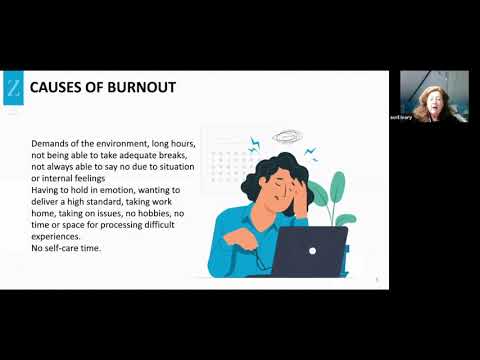
Basically, it’s the gradual depletion of compassion over time because of the stress that comes with caring for others. Nurses see patients at their worst, dealing with pain, fear, and loss. All that empathy can become overwhelming. One article pointed out that the emotional drain can lead to burnout—a state where you feel physically and emotionally exhausted.
Signs You Might Be Experiencing It
It isn’t always easy to recognize compassion fatigue in yourself or your colleagues. Some common signs include:
- Feeling tired all the time.
- Irritability or mood swings.
- A sense of detachment from your work or patients.
- Diminished feelings of joy or satisfaction.
Imagine a nurse named Sarah who used to feel fulfilled after helping her patients get better. Lately, she finds herself going through the motions but feeling empty inside. That lack of emotional connection can really hurt not just her performance but her relationships outside of work too.
Why Does This Happen?
A few factors contribute to compassion fatigue in nursing careers:
- Work Environment: High-stress settings without enough support can amplify feelings of overwhelm.
- Coping Mechanisms: Some nurses might not have healthy ways to cope with their emotions and stressors.
- Lack of Resources: Not having access to mental health resources can leave individuals feeling isolated.
For instance, when there were staffing shortages at Sarah’s hospital, she had even more patients to care for without enough time to recharge. This made her job feel increasingly difficult.
Coping Strategies
Dealing with compassion fatigue isn’t easy but there are ways to tackle it head-on.
- Self-Care: Making time for yourself is crucial. It could be anything from taking walks to practicing mindfulness.
- Talking About It: Opening up with colleagues about what you’re facing can build a support network.
- Professional Help: Sometimes seeking guidance from a therapist helps in processing emotions better than going solo.
One study showed that when healthcare teams practiced regular debriefings after tough shifts, they felt less isolated and more connected.
The Role of Institutions
Hospitals and healthcare organizations play a huge part too! They can create environments where nurses feel supported by providing training on resilience and establishing wellness programs.
If they prioritize mental health alongside physical health, that makes a world of difference! This way, nurses like Sarah could have access to tools that help them manage stress effectively.
In short, compassion fatigue isn’t just something nurses deal with individually; it’s a systemic issue too. Understanding it helps everyone—nurses need support just as much as their patients do!
Understanding the Impact of Compassion Fatigue in Nursing: Challenges and Solutions for Healthcare Professionals
Compassion fatigue is a real struggle for many healthcare professionals, especially nurses. Basically, it’s that feeling of emotional exhaustion when you continuously deal with the suffering of others. You care deeply for your patients, but over time, that can take a toll on your own mental health. Let’s break this down.
First off, what causes compassion fatigue? Well, think about it: nurses are on the front lines. They witness pain and trauma daily and are often there during the most vulnerable moments of people’s lives. It’s incredibly intense. So, when you’re constantly giving empathy and support without taking care of yourself, it can lead to burnout. It’s like running on empty; eventually, you just can’t go anymore.
The symptoms can vary from person to person but often include emotional exhaustion, reduced sense of personal accomplishment, and feeling detached from patients or colleagues. Imagine going into work every day feeling like you’re just going through the motions—nobody wants that!
There are a few challenges that come along with compassion fatigue:
- High Stress Environment: The pressure in hospitals or care facilities is unreal at times.
- Lack of Support: Some workplaces don’t provide enough resources or support for nurses to cope.
- Shift Work: Irregular hours can mess with your sleep patterns and overall health.
So what can nurses do to handle this? Well, here are some solutions:
- Self-Care: Make time for yourself! Whether it’s meditation or a weekend off to recharge—do something just for you.
- Pear Therapy: Talking with colleagues about feelings or experiences helps—you’d be surprised how much sharing eases the load.
- Training Programs: Many institutions are starting to recognize compassion fatigue; workshops can help teach coping strategies.
Here’s a little story that might resonate: I once met a nurse who shared how hard her job had become after years in the ICU. She didn’t even realize she was struggling until she caught herself getting annoyed at patients who were in distress when she used to be their biggest advocate. Once she recognized what was happening—compassion fatigue—it was like a light bulb went off! She started taking small breaks during her shifts and even began attending mindfulness classes offered by her hospital.
In conclusion, understanding compassion fatigue is crucial for anyone in nursing. By recognizing symptoms early and seeking out support systems at work or using self-care strategies at home, nurses can keep their passion alive while still caring deeply for their patients. Remember that if you’re feeling overwhelmed, you’re not alone—it’s okay to reach out and ask for help!
Understanding Compassion Fatigue in Nursing: Key Examples and Insights
Understanding compassion fatigue in nursing is a big deal, especially if you’re in that field. It’s not just about feeling tired—it’s that emotional exhaustion that creeps up after caring for others, often when there’s too much stress or trauma involved. Seriously, it can hit hard.
What is Compassion Fatigue?
It’s like when you’ve been so focused on helping others that your emotional reserves run low. You might start to feel numb or detached from your patients. Instead of empathy, you may find yourself feeling frustration or even apathy. It’s not that you don’t care; it’s just the weight of constant emotional labor can take a toll on you.
Why Does It Happen?
Nursing involves intense interactions with patients and families during some pretty tough times. Imagine being there for someone who’s lost a loved one or who’s facing a serious illness day after day—it can really wear you down. The idea is that each time you extend compassion, you’re drawing from your own emotional well. If there aren’t enough opportunities for self-care and recuperation, it’s easy to find yourself running on empty.
Key Examples of Compassion Fatigue
- Burnout: You might notice nurses dreading shifts or feeling increasingly cynical about their work.
- Sleep Issues: Tossing and turning at night because your mind won’t stop replaying the day’s events is a classic sign.
- Emotional Withdrawal: If you’re finding it harder to connect with patients like you used to, that’s a big red flag.
Let me share a quick story: A friend of mine who works as an ER nurse told me about this one night she struggled especially hard after losing a young patient. She’d given her everything—compassion, care—you name it! But by the end of her shift, she felt like she was just going through the motions. She realized she wasn’t just exhausted; she was emotionally drained, too.
Coping Strategies
You can’t just brush off compassion fatigue like it’s no big deal. Here are some things nurses can try to cope better:
- Peer Support: Talking to coworkers who understand what you’re going through can be super helpful.
- Self-Care: Doing something nice for yourself—like taking long walks or enjoying hobbies—can make all the difference.
- Counseling Services: Sometimes having an outside perspective help lighten the load.
It’s all about recognizing those feelings and taking steps to recharge before they overwhelm you completely. So keep an eye on yourself and give yourself some grace—you deserve it! Compassion is crucial in nursing; look after yourself so you can keep looking after others effectively.
Compassion fatigue is one of those things that, honestly, sneaks up on you when you least expect it. If you’re in a nursing career, you’re probably used to seeing a lot – the good, the bad, and the heartbreaking. Day in and day out, you give so much of yourself to your patients. But at some point, it can feel like your well of compassion is running dry.
I remember my friend Sarah, who’s a nurse in an ICU. She used to be this beacon of positivity—always smiling and comforting her patients. But after a particularly tough week filled with loss and high-stress situations, she started feeling detached. Tasks that once brought her joy felt like just another box to check off. It was like she was there physically but her heart was somewhere else entirely.
What happens is that when you’re constantly in caregiver mode, there comes a time when it can all feel overwhelming. You want to help everyone—but carrying all those emotions can take its toll on you. That guilt can kick in too; if you’re feeling burnt out or exhausted, there’s this nagging thought that maybe you’re failing your patients by not being at your best.
Finding ways to cope becomes super important then. Some folks turn to mindfulness practices or meditation—just taking five minutes to breathe can reset your mind a bit. Others find solace in talking with colleagues or friends who understand what they’re going through; sharing those experiences helps lighten the load.
It’s also about setting boundaries—knowing when it’s okay to step back and recharge without feeling bad about it. You know? It’s nearly impossible to help others if you’re running on empty yourself. Engaging in hobbies outside work or even just spending time with loved ones can help reignite that spark of compassion.
At the end of the day, acknowledging that compassion fatigue is real means you’re already taking a step towards addressing it. You’re human after all! Remembering why you chose this field in the first place might just be what brings some light back into long shifts filled with challenges and heartache. It’s all part of being in such an intense vocation; recognizing these feelings isn’t weakness—it’s part of being truly compassionate.