You know that feeling when you wake up and can’t function without a cup of coffee? Yeah, I get it. It’s like, suddenly, your brain goes on strike. You’re not alone.
Caffeine is everywhere. Seriously, from that morning brew to those afternoon energy drinks, it’s become a daily ritual for so many of us. But here’s the kicker: what if that little pick-me-up turns into something more?
Ever feel a bit off if you skip your usual dose? That’s where the psychological patterns come into play. It’s kinda wild how our minds and bodies can get tangled in a love-hate relationship with caffeine.
So, let’s chat about caffeine dependency! We’ll explore how it affects us—mentally and physically—and those sneaky habits we develop along the way. Sound good? Cool! Let’s go!
Caffeine Addiction Effects: Understanding the Impact on Health and Well-Being
Caffeine is one of the most widely consumed substances in the world. From that warm cup of coffee in the morning to your afternoon energy drink, its presence is everywhere. But what happens when it becomes a daily habit? Well, let’s break it down a bit.
Caffeine actually works by blocking adenosine, a brain chemical involved in sleep. When you block this, you feel more awake and alert. It’s all good until you find yourself needing more and more just to feel normal. This can lead to caffeine dependency. You might wake up feeling groggy without that first sip, or you’ve got that afternoon slump that only caffeine can fix.
Now, let’s talk about what caffeine addiction can do to your health and well-being.
- Physical Health: Overdoing it on caffeine can lead to increased heart rate and blood pressure. You might even experience headaches or stomach issues if you suddenly cut back.
- Mood Changes: Regularly consuming caffeine affects your mood too! Too little can make you irritable or anxious. Remember that time you snapped at a friend because you hadn’t had your coffee yet? Yeah, we’ve all been there.
- Sleep Disturbances: Consuming caffeine later in the day can mess up your sleep cycle. If you’re drinking coffee at night because you’re trying to cram for exams or finish work projects, don’t be surprised if you’re tossing and turning come bedtime.
- Withdrawal Symptoms: If you’ve tried cutting back on caffeine, you might have felt tired, moody, or even got those nasty headaches. These are classic signs of withdrawal; sometimes it feels like coming off something way stronger!
Psychologically speaking, there’s also a pattern here. Caffeine often becomes a crutch during stressful times—like deadlines at work or juggling family responsibilities. You start depending on it less for enjoyment and more out of necessity.
And then there are those moments when caffeine becomes part of our social lives too! Meeting friends for coffee or grabbing an energy drink while hanging out reinforces those habits further.
So basically, while moderate caffeine consumption isn’t usually harmful—and might even have some benefits like improved concentration—becoming dependent can lead to all sorts of problems! It’s important to be aware of how much you’re consuming and how it’s affecting both your body and mind over time.
In short, keep an eye on those cups! You want to enjoy caffeine without letting it take control over your life.
Understanding Caffeine Addiction: Symptoms, Effects, and Management Strategies
Caffeine addiction is something many people experience, whether they realize it or not. It’s easy to overlook since caffeine is so socially accepted—like, we grab a cup of coffee almost without thinking about it. But what starts as a little morning pick-me-up can become a bigger issue over time.
Symptoms of Caffeine Addiction often include feeling like you need caffeine just to function. You might notice headaches when you skip your usual dose or feel jittery and anxious if you have too much. Some common symptoms are:
- Dependence on caffeinated drinks to start your day.
- Increased tolerance, meaning you need more to feel the same effects.
- Withdrawal symptoms like irritability or fatigue when you cut back.
Picture this: You wake up groggy, and instead of getting out of bed, you reach for your phone to order your favorite latte. You feel human only after that first sip! This cycle can disrupt your everyday rhythm, making your mood swing unpredictably.
The effects of caffeine on the body aren’t all bad, though. It can boost alertness and improve concentration in the short term. But long-term use can lead to negative consequences like increased anxiety or sleep disturbances. Seriously, ever tried to count sheep after downing a double espresso? Not fun!
Management strategies for caffeine dependence involve several approaches that can help you regain control over your intake:
- Gradual reduction: Slowly cut back on how much caffeine you’re consuming each day instead of quitting cold turkey.
- Stay hydrated: Drink water throughout the day; sometimes thirst is mistaken for a craving for that caffeine kick.
- Find alternatives: Try herbal teas or decaf coffee as substitutes—something warm and cozy but without the jitters.
So really, managing caffeine dependency isn’t about banning coffee altogether. It’s more about finding balance and letting yourself enjoy that warm cup without needing it to get through the day.
You might even find that by taking control over your caffeine habits, you can enjoy life’s little pleasures more freely—like chatting with friends over brunch without worrying if you’ll crash later! Isn’t it nice when we realize we have options?
Understanding Caffeine Use Disorder: Symptoms, Causes, and Treatment Options
Caffeine Use Disorder might sound technical, but it’s really about understanding how our love for caffeine can turn into something less friendly. You know, like when you’re chugging down those cups of coffee just to feel normal? So let’s break it down into symptoms, causes, and what you can do about it.
Symptoms of caffeine use disorder can be pretty sneaky. It’s not just about having a cup of joe in the morning. Here are some signs to look out for:
- Increased tolerance: You find yourself needing more caffeine to get the same kick. That first cup isn’t cutting it anymore.
- Withdrawal symptoms: Feeling cranky, tired, or even having headaches when you skip your daily fix? Yep, that’s withdrawal talking.
- Continued use despite problems: If your caffeine habit is causing anxiety or sleep issues but you still can’t seem to cut back, that’s a red flag.
- The need to consume larger amounts: Drinking multiple energy drinks or several cups of coffee a day becomes your norm.
Take Sarah’s experience. She used to have one cup in the morning but soon found herself guzzling four by noon just to feel awake. It was like her body had started expecting more and more!
So, what causes this strange relationship with caffeine? A few things can come into play:
- Genetics: Your body might be wired differently when it comes to processing caffeine. Some folks metabolize it like champs, while others struggle.
- Cultural factors: In many societies, caffeinated drinks are everywhere—coffee shops on every corner and energy drinks becoming commonplace.
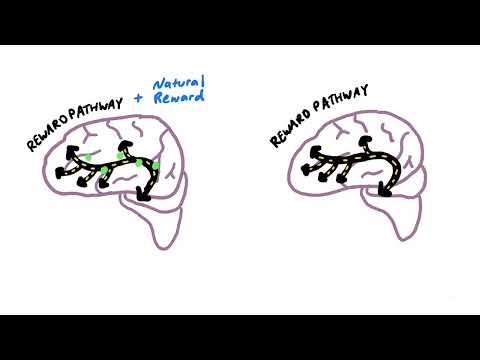
- Psychoactive effects: Caffeine doesn’t just wake you up; it boosts dopamine too! This feels good and can lead you to crave more.
- Lifestyle factors: Stress levels or erratic sleep patterns might make you rely on that extra boost even more.
Let’s say Mark works long hours and thinks he needs his double espresso shots to keep going. But in reality, his dependence on caffeine could be feeding into his stress levels.
Now onto Treatment options. Breaking free from caffeine dependency isn’t necessarily about going cold turkey (though some people do!). Here are some strategies:
- Slow reduction: Gradually cutting back is usually easier on your body—try switching from regular coffee to decaf over time.
- Sustained energy alternatives: Focus on hydration and balanced meals for energy instead of relying solely on caffeine hits.
- Coping strategies: Mindfulness or meditation can help manage cravings without reaching for another cup!
Megan decided she wanted her mornings back without feeling jittery. She changed her breakfast routine to include protein and fruit instead of racing for that first cup.
Getting through this struggle takes time and probably won’t be easy—especially if you’re used to using caffeine as a crutch. But recognizing the symptoms and causes is the first step! It’s all about finding what works best for you while keeping an eye on your overall well-being.
You know, caffeine is pretty much the go-to pick-me-up for a lot of us. I mean, who doesn’t love that warm cup of coffee in the morning? Seriously, it feels like magic—one sip and suddenly you’re awake and ready to tackle the day. But there’s this other side to it, which is where the whole caffeine dependency thing comes in.
I remember a time when I was struggling with my own reliance on caffeine. You could say I was living on coffee, especially during those grueling study sessions in college. I’d be jittery and buzzing around midnight, convinced that one more cup would help me finish my last paper. Spoiler alert: it didn’t work out like I hoped! What ended up happening was that I became so reliant on that buzz that even just thinking about skipping my morning brew made me anxious.
So what’s going on here? Well, at its core, caffeine affects our brains in a big way. It blocks adenosine—a chemical that makes us feel sleepy—and then over time our brain adjusts to this constant influx of stimulation. You might start needing more caffeine just to feel normal instead of energized. It’s kind of wild when you think about it because what begins as a harmless habit can gradually morph into something more complicated.
But it’s not just about the coffee or energy drinks; it taps into psychological patterns too. The ritual of having your cup in hand often becomes a comforting routine—a little moment of peace before diving into chaos. And let’s face it—during stressful times, that tiny dose of pleasure seems essential! This connection between daily stressors and our need for caffeine can create a loop where we justify reaching for another cup instead of addressing what’s really going on inside.
And then there’s withdrawal. If you’ve ever tried cutting back or stopping altogether, you probably know how crummy it can feel—headaches, irritability, fatigue—it’s no joke! It starts to seem less about enjoying a nice drink and more about avoiding those nasty side effects.
Anyway, the key takeaway here is just being aware. Caffeine isn’t inherently bad; it’s all about how we use it and how much we rely on it to get through our lives. Maybe next time you’re reaching for that afternoon latte or feeling like you can’t function without your morning jolt, take a step back and think about what’s really driving your need for caffeine. Sometimes all we need is a moment of reflection—or maybe even some good old-fashioned sleep!