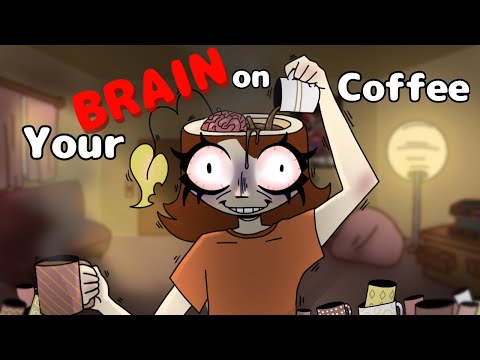
So, let’s chat about caffeine. You know that buzz you get from your morning coffee? It’s like a warm hug in a mug. But here’s the thing: for some folks, that buzz can turn into a bit of a rollercoaster ride.
Imagine this: you’re at work, sipping your third cup, feeling supercharged and ready to take on the world. But suddenly, your heart starts racing, and you can’t shake this nagging feeling of dread. Yikes! Anxiety can be sneaky like that.
You might think caffeine is just harmless fuel, but it actually messes with your brain in ways you maybe didn’t expect. Let’s dig into how this whole caffeine-anxiety dance works. Who knows? Maybe you’ll want to rethink that fourth cup!
Exploring the Impact of Caffeine on Anxiety: Benefits and Risks
Caffeine is one of those things that most of us can’t live without, right? Whether it’s that morning cup of coffee or an afternoon energy drink, it’s quite popular. But have you ever noticed how caffeine can mess with your feelings, especially anxiety? Let’s take a closer look at how caffeine interacts with our minds and bodies.
Understanding Caffeine
Caffeine is a stimulant found in coffee, tea, chocolate, and many sodas. It works primarily by blocking adenosine, a substance in the brain that makes you feel tired. When adenosine is blocked, you feel more awake and alert. Sounds great so far! But there’s more to the story, and this is where the potential risks come in.
Benefits of Caffeine
For many people, caffeine can actually provide some benefits when it comes to mental performance. Here are a few:
- Improved concentration: A good cup of coffee can help you focus better on tasks.
- Enhanced mood: For some folks, caffeine boost helps lift their spirits.
- Improves physical performance: Athletes often use caffeine as a pre-workout enhancer.
So yes, caffeine can be your helpful buddy when it comes to productivity or mood enhancement! Just think about those days when you’ve got a deadline looming—coffee is often your go-to.
The Anxiety Factor
Now let’s flip the coin for a minute. For others, especially those who are prone to anxiety disorders or just experiencing stress from life events (like exams or job interviews), caffeine might play tricks on your mind.
- Sparks jitteriness: You might feel shaky or restless after too much caffeine.
- Heightened heart rate: Caffeine can increase your heart rate which might mimic panic attacks.
- Poor sleep quality: If you’re drinking coffee late in the day, you could end up tossing and turning at night.
I remember one time I had three cups of strong coffee before giving a presentation. My hands were shaking like crazy! I felt hyper but also super anxious about getting things wrong—just not fun.
The Balance Between Benefits and Risks
So what’s the deal? Can we enjoy caffeine without feeling anxious? It’s all about finding your sweet spot. Some studies suggest that moderate consumption—like 1-2 cups per day—often keeps benefits while minimizing risks for most people.
But if you’re someone who feels jittery or anxious post-caffeine consumption, it might be worth cutting back—or switching to decaf every now and then! Every body reacts differently; what works for one person may not work for another.
In summary, a little bit of caffeine can be beneficial for focus and energy, but it has its risks too—especially when anxiety enters the chat. You have to tune into how your body reacts and find out what feels best for you!
Understanding the 3-3-3 Rule for Managing Anxiety: A Practical Guide
The 3-3-3 rule is a simple technique for handling anxiety that can be super helpful in those moments when your mind feels like it’s racing. Basically, it helps ground you and pulls you back into the present. So, what does this rule involve? Well, it’s straightforward.
First, look around you and name **three things you can see**. It could be anything—a coffee cup on your desk, a tree outside, or even that funny poster on the wall. The idea is to redirect your focus to what’s happening around you instead of what’s swirling in your head.
Next up, listen for **three things you can hear**. This could be the hum of your computer or maybe birds chirping outside. If you’re in a crowded place, it might be the gentle buzz of chatter or even music playing in the background. By tuning into sounds, you make yourself aware of the world outside your anxious thoughts.
Then finally—this is where it gets interesting—**move three parts of your body**. You can wiggle your fingers, shift in your seat, or even take a deep breath and stretch out those tight shoulders! When we move our bodies consciously, it helps reconnect us physically and mentally.
This neat little trick doesn’t just distract you from anxiety; it actively brings your attention back to reality. And here’s the thing: being aware of what’s actually around you right now can ease that overwhelming feeling.
Now regarding caffeine and anxiety—caffeine can really amplify feelings of anxiety if you’re sensitive to it. It’s a stimulant that can ramp up heart rates and increase jitteriness. If you’re already feeling anxious, adding caffeine into the mix ain’t exactly a great idea!
So if you’re someone who relies on that morning coffee to kickstart your day but finds yourself more anxious afterward—give this 3-3-3 rule a try next time you’re feeling jittery! It might help balance things out.
In short:
- Name three things you see.
- Listen for three sounds.
- Move three parts of your body.
Mixing these grounding exercises with mindfulness about caffeine intake could definitely help manage those moments when anxiety kicks in unexpectedly!
The Top Habit to Avoid for Reducing Anxiety: Key Insights and Solutions
Caffeine is like that popular friend you can’t help but hang out with, even though sometimes they just make you feel a bit on edge. You know how it is. You’re sitting there having your morning coffee, feeling all energized and ready to tackle the day, but then suddenly your heart starts racing, and you can’t quite settle down. Yeah, that’s caffeine for you!
Basically, caffeine works by blocking a chemical in your brain called adenosine. Adenosine helps you relax and promotes sleepiness. When caffeine blocks it, you’re left feeling alert—great, right? But here’s the kicker: that alertness can spiral into feelings of anxiety if you’ve had too much of it.
So, if you’re dealing with anxiety or just want to keep those jittery feelings at bay, cutting down on caffeine is one of the top habits to consider avoiding. Seriously. It doesn’t mean you have to ditch your coffee altogether (unless you really want to), but being mindful about how much you’re consuming can really help.
Here are some **key insights** on why reducing caffeine might be beneficial for you:
- Increased Heart Rate: Caffeine can boost your heart rate, and when you’re already feeling anxious, it can feel like your heart is about to jump out of your chest.
- Sleep Disruption: Consuming caffeine too late in the day messes with your sleep cycle. You might think “I’ll just power through,” but lack of good sleep makes anxiety worse.
- Sensitivity Variation: Some people are naturally more sensitive to caffeine than others. What’s fine for one person might send another into an anxious spiral.
- Tolerance Development: Over time, you might build up a tolerance, needing more to feel the same effects. This increases consumption without realizing how much anxiety it could be causing.
Let’s talk about a scenario many might relate to: imagine it’s Sunday evening. You’ve had a lovely weekend filled with coffee dates and late-night Netflix binges fueled by energy drinks. Then Monday rolls around—and all those fun drinks transform into stress when you’re staring down a busy week ahead at work. Suddenly that «friendly» pick-me-up turns into a source of dread.
So what are some practical solutions? Well:
- Gradual Reduction: If you’re used to slamming five cups of joe each day, try cutting back slowly—maybe swap out a couple for herbal teas or decaf options.
- Mindful Consumption: Pay attention to how much you’re drinking and when; keeping track can help manage that sneaky intake!
- Listen to Your Body: Notice what happens after your morning brew; do you feel anxious or jittery afterward? That could be a sign.
In short, although caffeine is widely accepted in our culture as part of daily life—a ritual even—being mindful about its effects on anxiety is super important. So next time you’re reaching for that cup (or three), take a moment and consider how it impacts your mood and energy levels throughout the day!
You know, caffeine is one of those things that we often don’t think twice about. We grab a cup of coffee in the morning, maybe another in the afternoon, and it feels normal, right? But here’s the thing: caffeine can really mess with our minds, especially when it comes to anxiety.
A while back, I was talking to a friend who had been feeling super anxious lately. After listening to her go on about everything that was stressing her out—work, relationships, you name it—I asked her if she’d changed anything in her routine. Turns out she had started drinking way more coffee. It was like a lightbulb moment! We both realized how much those extra shots of espresso were playing havoc with her nerves.
So what’s going on here? Caffeine is a stimulant. It revs up your central nervous system, which is cool when you need an energy boost but not so great if you’re already feeling jittery or anxious. What happens is that caffeine blocks adenosine receptors in your brain. Adenosine is like your body’s natural relaxant; when it’s blocked, you feel more awake but also more on edge.
The funny thing is that some people can tolerate caffeine without any issues at all, while others might feel their heart racing or get butterflies just thinking about speaking in public—thanks to that extra cup of joe! It’s kind of a rollercoaster ride of emotions for some folks.
Also, there’s this interesting cycle: anxiety can lead us to seek out caffeine as a way to cope or stay alert, but then it can actually make our anxiety worse! It’s like pouring rocket fuel on a fire—you might think you’re helping yourself stay calm and focused, but instead you’re adding more chaos to the mix.
So yeah, if you’re feeling anxious and rely heavily on coffee or energy drinks, maybe consider scaling back just a little? You might find that your mind feels clearer and less frazzled without all that extra stimulation. Sometimes simple changes can lead to big improvements in how we feel day-to-day!
Anyway, just remember: awareness is key here. Take note of what you consume and how it affects your state of mind. You might realize that those small tweaks could really help calm the storm inside!