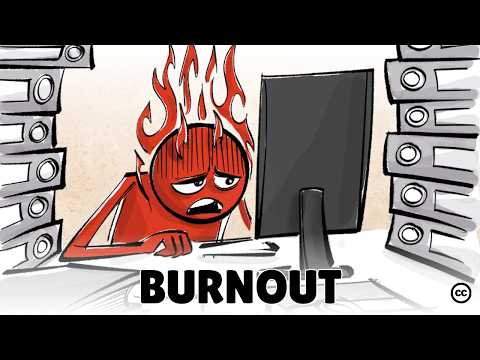
You know, caregiving is one of those roles that sounds super noble. We all want to support our loved ones, right? But let’s be real—taking care of someone can take a serious toll on your emotions.
I mean, it’s exhausting! You pour your heart and soul into making sure they’re okay, and sometimes you forget about your own needs. Ever felt that burnout creeping in? Yeah, me too.
It’s like you’re constantly juggling responsibilities while trying to keep a smile on your face. And then there are those days when everything just feels too heavy.
So what do we do with all those feelings? How can we cope and still be there for our loved ones without losing ourselves in the process? Well, let’s chat about it!
Assess Your Caregiver Burnout: Take Our Interactive Quiz
Caring for someone can be one of the most rewarding experiences, but it can also come with a hefty emotional price tag. If you’re feeling overwhelmed, you’re definitely not alone. Many caregivers find themselves experiencing what’s called **caregiver burnout**.
So, what is caregiver burnout? Basically, it’s a state of physical, emotional, and mental exhaustion that usually stems from prolonged stress in caring for another person. You might notice signs like feeling tired all the time or having trouble with things that used to make you happy. Sometimes, you may even feel irritable or withdrawn.
To help assess if you might be feeling this way, there are some key points to consider:
- Physical exhaustion: Are you constantly tired, even after resting? This can make daily tasks feel like climbing a mountain.
- Emotional detachment: Do you feel a bit numb or emotionally drained when interacting with the person you’re caring for? It’s common to feel this way.
- Stress and anxiety: Are stress levels through the roof? If you’re finding it hard to relax or enjoy life outside of caregiving, that could be a red flag.
- Changes in sleep patterns: Are you struggling to sleep at night because your mind won’t turn off? Poor sleep can worsen the overall situation.
- Neglecting your needs: Have meals or personal care become less of a priority for you? Putting yourself last isn’t just tiring; it’s unhealthy.
Imagine this: Sarah has been caring for her elderly mother for years now. At first, she loved spending time with her and felt fulfilled helping out. But over time, Sarah started feeling like she was running on empty. She noticed she was snapping at her mom over small things and wasn’t enjoying their chats anymore. That’s when she realized she needed to check in on herself.
Now assessing your feelings is really important because recognizing caregiver burnout early on can help prevent further emotional tolls down the line.
Taking an interactive quiz—or just doing some self-reflection—can be super helpful. You might ask yourself questions like: How do I really feel when I think about caregiving? Am I meeting my own emotional needs as well?
In short, taking the time to evaluate how you’re doing is crucial. It doesn’t mean you’re weak; it means you’re human. Prioritizing your well-being isn’t selfish—it’s essential! So pay attention to those signals your mind and body are sending you; they’re trying to tell you something important!
Understanding the Stages of Caregiver Burnout: Recognizing, Managing, and Overcoming Stress
Caregiver burnout is a thing, and it can hit you harder than a brick wall. If you’re juggling the responsibilities of caring for someone else—like an aging parent or a spouse with a chronic illness—you might find yourself feeling totally worn out. Recognizing the signs is the first step towards managing it.
So, let’s break down the stages of caregiver burnout. You’re probably thinking it sounds kind of clinical, but trust me, it’s super relatable.
Stage 1: The Honeymoon Phase
In the beginning, everything feels rewarding. You feel happy to help and proud of your role. The excitement can be almost intoxicating! It’s like you’re on cloud nine, thinking you’ve got this all figured out. But then comes stage two.
Stage 2: The Onset of Stress
As time goes on, little things start to wear you down. Maybe your loved one needs more assistance than expected or their condition takes a toll on your social life. Feelings of frustration and exhaustion begin to creep in. You might not be sleeping well at night, and that can affect your mood—big time.
Stage 3: Chronic Stress
This is where it gets real rough. You start feeling overwhelmed all the time. Your physical health may suffer; headaches or fatigue could become constant companions. Emotionally, you might experience bouts of anxiety or sadness as caregiving feels less like a choice and more like a chore.
Stage 4: Burnout
At this stage, you may feel like you’re just going through the motions—like you’re on autopilot. Your emotional reserves are depleted; joy seems like a distant memory. You might even feel resentment towards the person you’re caring for, which can stir up guilt and confusion.
Managing Caregiver Burnout
Now that we’ve tracked those stages, what can you do about it? Here are some ideas:
- Self-Care: Yeah, I know everyone says that but seriously! Make time for yourself—even if it’s just soaking in a warm bath or enjoying an episode of your favorite show.
- Acknowledge Your Feelings: It’s absolutely okay to feel stressed! Talk about it with friends or join support groups where others understand what you’re going through.
- Set Boundaries: Learn to say no sometimes! You can’t pour from an empty cup.
- Seek Professional Help: It’s not shameful to ask for assistance—sometimes talking to someone trained can help clear your head.
- Cultivate Resilience: Find ways to adapt! Maybe try mindfulness practices or exercise; they can work wonders on stress levels.
Overcoming Caregiver Burnout
Once you’ve recognized where you are in the process and figured out how to manage things better, it’s about rebuilding that sense of balance in life again. Setting small goals can be empowering!
Think back to when I mentioned that emotional toll earlier? Like sometimes you’d lose track of who you are? Well, take baby steps to reconnect with your interests or hobbies outside caregiving roles—and give yourself permission to enjoy them again!
You’re doing an incredibly tough job by caring for someone else—and it’s crucial not only for them but also for yourself—to be aware of these stages and work through them proactively. Just remember: taking care of yourself isn’t selfish; it’s essential!
Understanding Caregiver Burnout: Rights, Resources, and Relief Options
Caregiver burnout is a heavy topic, but it’s super important to chat about. If you’re a caregiver, you probably know how draining it can be. You dedicate so much of your time and energy to someone else, but what happens when you feel like your own tank is running on empty? That’s burnout, my friend.
Start by thinking about what caregiver burnout really means. It’s like being on a rollercoaster that just keeps going up and down without ever stopping. You might feel exhausted, both physically and mentally. You could be irritable or even feel sad more often. And let’s be real—sometimes, it can even make you doubt your abilities as a caregiver. Ever felt overwhelmed because you’re juggling too many tasks? Yeah, that’s part of it.
Now, let’s chat about your rights. Believe it or not, as a caregiver, you have some rights that can help you catch a breather! For instance, in many places, there are laws protecting caregivers from discrimination at work because of their caregiving responsibilities. This means that if you’re balancing work and caregiving duties, your boss can’t just pile on extra hours or fire you for needing time off to take care of business at home.
Next up is resources. There are plenty out there designed just for people like you! Local agencies often offer support groups—kind of like group therapy with snacks where everyone gets what you’re going through. Also, some non-profits have hotlines where you can get advice or just vent about your day.
Another hot tip? Look into respite care options. Respite care lets another professional step in for a while so you can take an essential break without worrying. Think of it as hitting the pause button on the chaos so you can recharge your batteries—because believe me, they need recharging!
When it comes to relief options, don’t sleep on self-care practices! I know you’ve heard this before but hear me out—these practices aren’t just buzzwords; they’re legit lifesavers. Simple things like taking walks or reading books in cozy spots can make all the difference in how you feel day-to-day. Even doing nothing for five minutes in silence could be just what your mind needs.
Also consider talking to someone who gets it—a friend or family member who isn’t afraid to listen (and maybe bring snacks). They might help lighten the load because sometimes sharing that burden makes it easier to carry.
Lastly, keep an eye out for signs that say you’re nearing burnout city: increased anxiety or forgetting appointments are big hints! Catching these signs early means getting help sooner rather than later.
In short, navigating caregiver burnout is tough but totally manageable if you take advantage of the resources around you and remember to look after yourself too! Don’t let guilt creep in; being kind to yourself isn’t selfish; it’s necessary!
Being a caregiver can really take a toll on you emotionally. It’s like you’re constantly pouring out your energy, love, and attention to someone else, and sometimes there’s not much left for yourself. You know what I mean?
I remember my buddy Sarah who took care of her aging mother. She was always there, making sure her mom had everything she needed—doctor’s appointments, meals, even just someone to chat with. Sarah loved her mom deeply; that was never in question. But over time, the emotional weight started to show. She’d get snappy over little things or feel completely drained after just a few hours of caregiving.
What’s tricky is that caregivers often slide into this pattern where they forget to check in with themselves. They think that taking time for themselves is selfish when, in reality, it’s essential! It’s like that saying about putting your oxygen mask on first before helping others—if you’re gasping for air yourself, how can you help anyone else?
Coping with that emotional toll comes down to finding little moments of self-care that can recharge your batteries. Sometimes it might be as simple as soaking in a hot bath or going for a walk while listening to your favorite tunes. Or it could be chatting with a friend who understands what you’re going through—trust me; that connection really helps.
And let’s not forget about seeking support groups or online forums where caregivers share their experiences. Just knowing you’re not alone in this journey makes such a huge difference! Sharing stories and strategies can lighten the load a bit.
So yeah, if you’re caring for someone right now—or plan to in the future—keep an eye on how you’re feeling. It’s totally okay to seek balance between caring for others and taking care of yourself because at the end of the day, you matter just as much as they do!