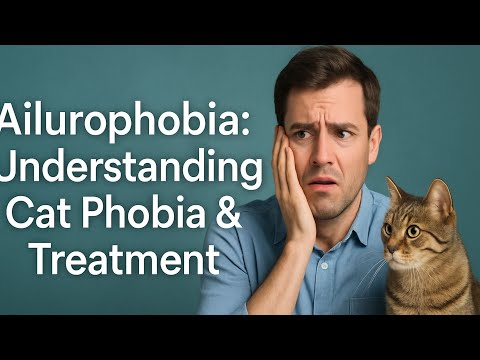
You know how some people freak out at the sight of a spider? Well, imagine feeling that way about cats. Yeah, it sounds wild, but feline phobia is a real thing.
It’s called «ailurophobia,» which is a mouthful. But really, it’s just an irrational fear of cats. And it’s more common than you’d think!
Picture this: You’re hanging out with friends, and someone brings their fluffy cat over. Everyone’s laughing and petting it, but one person is frozen in fear across the room. Doesn’t that make you curious?
What goes on in their mind? That’s what we’re diving into—why some folks feel that way about our furry friends. Let’s break it down together!
Understanding Ailurophobia: Causes, Symptoms, and Treatment Options
Ailurophobia, or the fear of cats, is a surprisingly common issue for some people. Like other phobias, it can really mess with your everyday life. Imagine being at a friend’s place, and they have a cat. Suddenly, you’re frozen in place while everyone else laughs and pets the furry little creature. That’s the kind of situation that can feel overwhelming.
So what causes this fear? There’s no single culprit here. It could stem from a bad experience with a cat in childhood—maybe you were scratched or bitten. Sometimes, it’s about learned behavior. If your parents or siblings had strong negative feelings toward cats, you might’ve picked up on those vibes as well. And then there’s genetics; if anxiety runs in your family, you might be more prone to develop phobias.
When it comes to symptoms of ailurophobia, they can vary quite a bit from person to person. You might experience physical reactions like:
- Increased heart rate
- Sweating
- Trembling
- A feeling of panic or dread
Aside from these physical signs, there are also emotional reactions at play. You could feel really anxious just thinking about cats or even see one in pictures! The mind can take over in wild ways.
Now let’s talk about treatment options because there are ways to tackle this fear! One popular approach is exposure therapy. This involves gradually introducing you to cats in safe and controlled environments until you start feeling more comfortable around them. The idea is that little by little, you learn that cats aren’t so scary after all.
Another option might be Cognitive Behavioral Therapy (CBT). This method focuses on changing the negative thought patterns that fuel your fear. So instead of thinking “cats are dangerous,” CBT helps reframe that into something more manageable—like “most cats are friendly.” It takes time and effort but many find it effective.
Additionally, relaxation techniques like deep breathing or mindfulness can help manage anxiety when faced with those slinky furballs. They won’t make the fear disappear overnight but can provide some relief when tackling it head-on.
Overall, understanding ailurophobia is the first step towards overcoming it. With patience and possibly some professional guidance, many people find ways to cope and even learn to appreciate these quirky creatures!
Understanding Legal Implications of Phobias: Addressing Fear of Cats and Dogs
Alright, so let’s chat about phobias, particularly the fear of cats and dogs, also known as feline phobia and canine phobia. You might not think about it, but these fears can have some serious legal implications, especially if you’re living in a world where these furry friends are everywhere.
First off, let’s break down what a phobia is. It’s not just a regular fear; it’s like an intense and irrational response to something. Picture this: you’re at a friend’s place, and they have a cat. You can’t even step inside because your heart starts racing and your palms get sweaty. That’s more than just not liking cats; that’s a phobia!
- Legal Responsibilities: So here’s the thing: if someone has an extreme fear of pets, it could affect their interactions with others and even their daily life. If they get bitten by a dog or scratch by a cat during an encounter that they couldn’t avoid because of someone else’s negligence—that could lead to legal issues.
- Discrimination Issues: In some cases, this fear could be considered when dealing with housing or employment situations. For instance, if you live in an apartment that allows pets but you can’t handle being around them due to your phobia? That might be grounds for special accommodations.
- Insurance Claims: If you end up getting injured because of an animal, like needing medical treatment due to a sudden dog attack when you’re already panicking from anxiety—insurance companies may need to consider your mental state while processing claims.
This brings us to the importance of understanding these fears better. Many folks underestimate how debilitating even something as common as a dog or cat can be for someone suffering from these phobias. However, it’s also vital for others to be aware so they don’t unintentionally trigger someone’s anxiety.
You know how sometimes people shrug off someone else’s fears? “It’s just a little dog!” they might say. But what happens is that dismissiveness can lead to misunderstandings or worse—situations where someone feels unsafe or threatened on multiple levels.
A fun way to think about this is imagining trying to navigate life with an intense fear of something super common. Maybe sitting on the subway while looking at all those ads featuring cute puppies makes your heart race instead of melting! That would really change things up on your daily commute!
This all boils down to awareness and empathy! If we acknowledge how serious these fears are—especially when it comes to people’s rights and interactions—we’re more likely to create environments where everyone feels safe enough no matter their experiences with pets.
Understanding Cat Phobia: Symptoms, Signs, and Coping Strategies
So, let’s chat about cat phobia, or as the professionals call it, feline phobia. It’s a real thing, and for those who have it, it can feel pretty overwhelming. Imagine walking into a room and suddenly spotting a cat. Your heart races, palms sweat, and you might even freeze up. Sound familiar?
Symptoms and Signs
Coping with cat phobia is no walk in the park. Here are some common symptoms:
- Anxiety: You might feel nervous or anxious just thinking about cats.
- Panic attacks: In severe cases, encountering a cat could trigger a full-blown panic attack.
- Avoidance: You may go out of your way to avoid places where cats might be.
This phobia can create big disruptions in daily life. Like that time your friend invited you over for movie night, but she had her cat lounging around? You probably thought twice about going over—or maybe not at all!
What causes this feline fear?
The roots of cat phobia can vary. For some people, it stems from a negative experience with a cat during childhood—maybe a scratch or an unexpected jump from the animal. Others might have absorbed fear from parents or peers who were scared of cats too. Even seeing scary movies featuring cats can contribute to this fear.
Coping Strategies
If you’re dealing with feline phobia or know someone who is, there are ways to cope:
- Gradual exposure: Start by looking at pictures of cats or watching videos until you feel more comfortable.
- Relaxation techniques: Breathing exercises can help calm those racing hearts when faced with something scary.
- Talk it out: Sharing feelings with supportive friends or family members can lighten the load.
Breathe deeply and remind yourself—it’s okay to be scared! Phobias are super common and completely manageable. Maybe one day that fear won’t feel so heavy anymore.
If you’re ever feeling overwhelmed, understand that talking to someone who gets it can make all the difference—just like my friend Liz did when she finally faced her fear of flying!
The key takeaway? Cat phobia is something many people deal with. Recognizing symptoms is the first step in addressing them. And even if cats send shivers down your spine now, coping strategies exist to help ease that anxiety over time!
You know, cats can be such quirky little beings. They have that air of mystery, don’t they? But for some folks, just the thought of a cat can send them into a bit of a panic. It’s kinda wild how something so fluffy and cute can trigger such intense fear. This is where feline phobia comes into play—let’s chat about it.
Feline phobia, or ailurophobia if you wanna impress your friends with big words, is more than just a simple dislike of cats. Imagine walking into a room and spotting a cat lounging on the couch. For someone with this phobia, that moment could feel like stepping on stage in front of thousands while forgetting their lines—utterly nerve-wracking! It’s not just about being scared; it can lead to anxiety attacks, avoidance behaviors, and all sorts of stress.
So what causes this? Well, it often goes back to past experiences. Maybe as a kid, you had a not-so-pleasant encounter with a cat—like that time your neighbor’s furry friend decided your shoelaces were the enemy. Or maybe it stems from societal influences. You hear stories about aggressive cats or see movies where they’re portrayed as sneaky villains and bam! Those ideas take root in your mind.
And here’s where things get even more interesting: people who have feline phobia might also be dealing with fears related to other things like spiders or heights at the same time. It’s kinda like getting stuck in this web of anxiety that feeds off itself.
It’s important to remember that these feelings are real for those experiencing them. Just because you might think «What’s the big deal? It’s just a cat!» doesn’t mean they feel the same way at all! I mean, imagine feeling trapped by something everyone else finds adorable.
Working through phobias often takes time and patience—a journey filled with small steps rather than grand leaps. Some find comfort in gradual exposure; others seek out resources for coping strategies or simply lean on support from friends who understand what they’re going through.
If you’ve ever felt anxious around certain animals—or even just heard someone talk about their dislike for cats—you start to see how personal these experiences are. The world can seem like an uphill battle when you’re dodging furry creatures everywhere you go.
In short, feline phobia isn’t just about hissing and scratching; it’s tied up in emotional history and mental frameworks we build ourselves over time. So next time you see someone skirting around cat-shaped cushions or crossing the street to avoid Fluffy perched on the gatepost, remember there’s often much more going on beneath the surface than meets the eye!