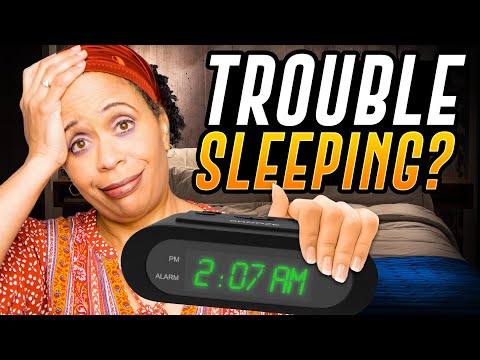
You know those nights when you’re just staring at the ceiling? It’s like your brain throws a party, and you didn’t even RSVP.
Seriously, why does sleep seem to vanish sometimes? You might be thinking about work, relationships, or that awkward thing you said to your friend three years ago.
It’s wild how our minds can spin us into a sleepless frenzy. There are real psychological triggers behind it, and they can feel sneaky.
Let’s break down what’s going on up there—and why you can’t seem to catch those Zs when you need them most!
Understanding Sleep Disturbances: Common Reasons for Nighttime Wakefulness
Sleep disturbances can feel like an endless cycle of tossing and turning. You know those nights when you just can’t get comfortable? Like, you lay there, eyes wide open, mind racing. It’s exhausting! Understanding why this happens can shed some light on those pesky sleepless nights.
So, what really goes on in your brain when you’re trying to catch some Z’s? A bunch of factors contribute to nighttime wakefulness. Here’s a look at the common culprits:
- Anxiety: Ever had a moment where your thoughts spiral out of control? Anxiety often kicks in as the day winds down. You start thinking about tomorrow’s tasks or that awkward interaction from last week. Your mind just won’t shut off!
- Stress: Similar to anxiety but more about feeling overwhelmed by daily pressures. It could be work, relationships, or even financial troubles keeping you awake. It’s like your brain is hosting a late-night talk show and you’re the unwilling guest!
- Depression: This one’s tricky because it can either make you want to sleep too much or keep you awake at night. If negative thoughts are swirling around and weighing on your heart, finding rest becomes almost impossible.
- Caffeine Intake: That extra cup of coffee might seem harmless during the day, but too much caffeine—especially later on—can seriously mess with your sleep schedule. The kick it provides may linger longer than you’d think.
- Screentime: Staring at screens before bed is like telling your brain it’s party time! The blue light from phones and laptops tricks your brain into thinking it’s still daytime. So instead of drifting off, you’re wide awake.
- Poor Sleep Hygiene: Do you have a bedtime ritual? If not, that could be the issue! A chaotic sleep environment—like irregular sleeping times or an uncomfortable room—can disrupt how well you sleep.
Let’s think about how these factors mix together in real life. Picture this: You’ve had a long day at work filled with meetings—and let’s be honest—a bit of drama with a coworker left you fuming. You come home and grab an energy drink to push through that evening homework for tomorrow’s big presentation. Later at night, when it’s time for bed, you’re bouncing off the walls mentally recounting every detail of the day while scrolling through social media.
It’s no wonder then that you end up staring at the ceiling instead of snoozing peacefully! Addressing these psychological triggers isn’t an overnight fix; it often takes some time to identify the root causes keeping you up.
Recognizing what influences your sleep can lead to better strategies for breaking that cycle of wakefulness. Maybe you’ll experiment with cutting back on caffeine after noon or setting aside those screens an hour before bed. Look into developing healthier pre-sleep rituals too; calm music or reading a book could help ease your mind.
Understanding sleep disturbances is all about connection—the links between anxiety, stressors, and even lifestyle choices play big roles in how we rest (or don’t). So next time you’re lying awake counting sheep, remember there’s more than meets the eye behind why you’re not catching those crucial hours of sleep!
Longevity and Insomnia: Understanding the Impact of Sleep Disorders on Lifespan
Insomnia and its impact on longevity is a pretty eye-opening topic. You might not realize just how much your sleep affects your overall life, right? But the truth is, sleep disorders like insomnia can actually shorten your lifespan. Let’s break this down a bit.
First off, insomnia isn’t just about having a rough night here and there. It’s that persistent struggle to fall asleep or stay asleep, which messes with your brain and body in some serious ways. When you skimp on sleep consistently, it sends your body into overdrive. Cortisol levels spike, heart rates race, and before you know it, you’re feeling more stressed than relaxed.
Think about a time when you tossed and turned all night. Maybe you had a deadline looming or were worried about an argument with a friend. That mental chatter? It’s one of those psychological triggers that can keep you awake. These triggers can include anxiety about work or life in general. They create this cycle where you can’t fall asleep because you’re worrying—and then you worry more because well, you’re not sleeping!
The thing is, chronic insomnia leads to some nasty health issues over time. We’re talking heart disease, diabetes, and even weakened immune function! That’s why the connection between sleeplessness and longevity is so critical to understand.
Look at this way: if your body doesn’t get the chance to repair itself during sleep, everything can go awry. A study even found that people who regularly sleep less than six hours are at a higher risk of dying earlier than those who get what they need.
Some factors feed into this whole situation:
- Chronic Stress: It keeps your mind racing long after you’ve laid down.
- Psycho-emotional Issues: Anxiety or depression plays into sleepless nights.
- Lifestyle Choices: Caffeine late in the day or screen time before bed can be real culprits.
You might be wondering about those late-night binges on social media—yeah, that’s messing with your melatonin levels! Less melatonin translates to less ability to fall asleep easily.
And let’s not forget about how lack of sleep makes you feel groggy during the day! You’re irritable and unfocused; trust me—it affects how we interact with others too. Have you noticed that when you’re cranky from no sleep, it’s easier to snap at someone? That’s the psychological impact of sleep deprivation showing its face.
To wrap it all up: sleep is fundamental. If insomnia has become a part of your life, it’s worth taking seriously—both for your mental health today and for how long you’ll enjoy life down the road. Next time you’re up at 3 AM stressing over something trivial, think about how important those Zzz’s really are for not just getting by but truly thriving in life!
Quick Solutions: Effective Tips to Cure Insomnia in Just 12 Minutes
Insomnia can be such a frustrating experience. You know those nights when you toss and turn, staring at the ceiling, while every little thought pops into your head? It’s like your brain is running a marathon, and you’re left wide awake. So, what’s really going on when we can’t seem to catch those z’s? Let’s break this down a bit.
First off, insomnia doesn’t have just one cause. It can stem from anxiety, stress, or even certain habits we fall into. Like scrolling through your phone before bed—yup, that blue light isn’t doing you any favors! The thing is, our minds can get pretty active when we’re stressed or anxious about something. This creates a cycle where the worry keeps us awake. Ever had that moment where you suddenly remember something embarrassing from years ago in the middle of the night? Yeah, that’s your brain being unhelpful!
Now let’s talk about some quick solutions that might help you sleep better in just 12 minutes. You’ll see they revolve around calming both mind and body.
- Breathing exercises: Try taking deep breaths—in through your nose for four counts, holding for four counts, and out through your mouth for six counts. It sounds simple but trust me; it works wonders to calm your nervous system.
- Progressive muscle relaxation: Start from your toes and work your way up to your head. Tense each muscle group for five seconds and then relax it. You’ll be surprised how much tension we hold without realizing!
- Visualization: Picture a peaceful scene—like lying on a warm beach or walking through a serene forest. Make it vivid! What do you see? What do you hear? This distraction can help shift your focus away from racing thoughts.
- Your bedroom environment: Make sure it’s dark enough and cool enough. A comfy mattress is great too if yours feels like sleeping on rocks! Sometimes small changes like blackout curtains can make all the difference.
- Avoid screens before bed: Seriously! Give yourself at least 30 minutes without screens before hitting the pillow. This helps tell your body it’s time to wind down.
You see how these tips are not just random tricks? They engage both physical relaxation and mental focus, which is super important. When dealing with insomnia caused by psychological triggers—like stress or anxiety—addressing both aspects helps reset that sleep cycle.
Now let me share an example: I once had a friend who couldn’t sleep because she was stressing about work deadlines all week long. She decided to try some of these techniques each night instead of scrolling her phone until she passed out (a tough habit to break). After consistent effort with breathing exercises and visualization of her “happy place,” she started falling asleep faster—and staying asleep longer!
And remember; even if one night doesn’t go as planned, don’t beat yourself up over it! Sleep can be finicky sometimes—we’ve all been there. But by understanding what triggers sleeplessness—instead of pushing ourselves harder to sleep—you might find more balance in getting those precious hours of rest.
So next time insomnia hits hard, give these strategies a try! Who knows? With practice, those 12 minutes could turn into many more hours of solid sleep in no time!
You know those nights when you just can’t seem to fall asleep? You lie there, staring at the ceiling, and your mind is racing a million miles a minute. It’s like your brain decides that 2 AM is the perfect time to process all your worries. “Did I send that email?” or “What if I forgot my friend’s birthday?” Just thinking about it makes it hard to drift off, right?
So, what’s really going on behind those sleepless nights? Well, psychological triggers play a huge role. Stress is one of the big ones. Picture this: you had a busy day at work, deadlines piling up, and then you come home with all that chaos still whirling around in your head. Your body might be tired, but your mind is still buzzing like a beehive.
Another trigger? Anxiety. It’s kind of like that annoying friend who shows up uninvited and overstays their welcome. When anxiety creeps in—whether it’s about an upcoming presentation or personal issues—it keeps you on high alert. You might suddenly find yourself worrying about things that haven’t even happened yet! Like playing out worst-case scenarios in your head instead of catching some Zs.
Then there are those pesky forming habits we all have. Maybe you’ve gotten into the routine of scrolling through social media or watching videos right before bed. Sure, it feels relaxing at first, but that blue light from screens can mess with your sleep hormones. So now you’ve traded a good night’s rest for one more TikTok scroll? Yeah, not ideal.
There are also more hidden triggers like unresolved emotions or past traumas popping up when you’re trying to sleep—it’s as if our minds use that time to unpack heavy stuff when everything else quiets down. That little voice might rear its head reminding you of things from long ago during those still moments.
Speaking from experience here—I’ve had my fair share of sleepless nights due to dissecting emotional situations that didn’t even seem significant during the day! One night recently was especially rough; I tossed and turned over what seemed like minor disagreements with friends until the sun came up.
So here’s the deal: If you find yourself awake at odd hours often enough, it might help to take stock of what feelings or thoughts are swirling around in your head before bed. Understanding these psychological triggers could lead to some real insights about how you’re feeling overall—and who knows? Maybe it’ll help turn those sleepless nights into sweet dreams instead!