You know that person who seems to shine a little too bright in the spotlight? The one who always has to be the center of attention? Yeah, that could be a classic sign of narcissism.
Narcissism isn’t just about being self-absorbed. It’s like peeling an onion—layers and layers to uncover. Some of it can be fascinating. While some can really hurt others.
Ever had a friend who only talks about their achievements but never asks about yours? That’s not just annoying; it can be emotionally exhausting too!
Let’s dig into what makes narcissists tick, how they view the world, and why it matters for all of us. It’s not just about pointing fingers; it’s about understanding this complex personality type that we might encounter more often than we think.
Unmasking Narcissism: Legal Implications and Consequences of Exposing a Narcissist
Narcissism is one of those traits that can really mess with relationships, workplaces, and even legal situations. It’s like a mask that some people wear to hide their deep insecurities while projecting confidence and superiority. Let’s unpack this, shall we?
First off, what does it mean to expose a narcissist? Well, it usually involves revealing their true nature—self-centeredness, manipulative tendencies, and lack of empathy. When you peel back the layers of that charm, you often find someone who isn’t as great as they project. Now, doing this can have some serious legal implications.
For starters, here are some consequences you might face when exposing a narcissist:
It’s like walking through a minefield when you try to expose someone like this! Think about it: imagine being in a relationship where your partner only seems loving when others are watching. The moment you’re alone, they turn cold or critical. If you decide to tell your friends about it? You might just find yourself in the middle of a smear campaign instead.
And here’s the kicker—narcissists often have this amazing ability to flip the script. They’ll act like the victim while painting you as the villain. This manipulation can be effective in courtrooms too. Judges can sometimes fall for their charm because they come off so confident and convincing.
What happens if you go ahead anyway and reveal their behavior? Here’s where things get tricky:
So when thinkin’ about exposing a narcissist’s real personality, also consider your support system and how those around you will react.
In many cases, it’s not just about shining a light on their behaviors; it’s also about protecting your own mental health while navigating these waters. It can feel exhausting emotionally when dealing with someone whose idea of love is all about control and manipulation.
To sum it up: exposing narcissism isn’t just about revealing truths; it has real-life consequences that stretch beyond personal feelings into legal territories too. It’s crucial to weigh your options carefully before taking action since the repercussions could affect various aspects of your life!
Transforming Narcissistic Behavior in Relationships: Strategies for Positive Change
Narcissism in relationships can be tricky. You might be dealing with someone who constantly seeks admiration, lacks empathy, or has an inflated sense of self-importance. It can leave you feeling exhausted and frustrated. So, how do we approach transforming this behavior for a more positive interaction?
First off, it’s essential to understand that **narcissistic behavior** often stems from underlying insecurities. Think about it: when someone feels inadequate deep down, they might overcompensate by projecting an image of superiority and entitlement. This doesn’t justify their behavior but gives a glimpse into their world.
Now, if you’re in a relationship where narcissism is affecting your happiness, here are some strategies that might help encourage change:
- Set Boundaries: Let’s say your partner always interrupts you during conversations. It’s key to communicate that this behavior isn’t okay. Be clear about what is acceptable for you.
- Practice Empathy: Yes, empathy can sound like a tall order when dealing with narcissism. But try to see things from their perspective sometimes. For example, if they’re upset about not being recognized at work, acknowledge their feelings even if the reaction seems exaggerated.
- Highlight Positive Changes: When they make an effort to change—even small things—acknowledge it! If your partner listens without interrupting once, give them a compliment for it. Positive reinforcement can motivate them to keep going.
- Avoid Blame: Use «I» statements rather than «you» statements when discussing issues. Instead of saying “You never listen,” you could say “I feel unheard when I’m interrupted.” This makes the conversation less confrontational.
- Encourage Self-Reflection: Gently encourage moments where they reflect on their actions. Ask questions like “How do you think that made me feel?” This could prompt them to consider the impact of their behavior.
While these strategies can help nudge someone toward positive change, it’s also crucial to recognize **when enough is enough** for you. You deserve respect and mutual understanding in any relationship.
Transforming narcissistic tendencies takes time and effort—not just from the person exhibiting those traits but from both partners involved. Sometimes changes happen slowly; other times they might not happen at all if there’s resistance.
To sum it up: navigating relationships impacted by narcissism demands patience and skillful communication tailored to the unique dynamics at play. Keep in mind that cultivating change is possible but requires both partners’ willingness to grow together towards healthier interactions!
Recognizing Vindictive Narcissism: 10 Key Signs to Watch For
Vindictive narcissism is a pretty intense flavor of narcissism. It involves individuals who not only think highly of themselves but can also lash out at others, often in subtle or not-so-subtle ways, when they feel slighted or disrespected. So how do you spot someone with these tendencies? Let’s break down 10 key signs to watch for.
- Excessive Sense of Entitlement: They often believe they deserve special treatment and may react harshly when they don’t get it.
- Lack of Empathy: These folks struggle to understand or care about others’ feelings. For them, it’s all about their own needs—like when your friend never asks how your day was but always talks about their problems.
- Punitive Behavior: If they feel wronged, they might retaliate. This could mean spreading rumors or sabotaging someone’s work just to get back at them.
- Manipulation: They’ll twist situations to control how others see them or to create drama. You might notice them changing the story just to make themselves seem like the victim.
- Cruel Humor: Often, their jokes come at others’ expenses. Think of those moments when someone makes a sarcastic comment that cuts deep but then plays it off as “just kidding.”
- Dramatic Responses: Watch out for overreactions—whether it’s screaming in public or sulking for days after a disagreement. It’s all part of that dramatic flair!
- Tendency to Hold Grudges: They can remember every little slight and use it against you later. It’s like carrying around a mental list of offenses with heavy emotional weight.
- Sarcasm and Passive-Aggressiveness: Instead of saying what they really mean, they opt for subtle digs and indirect comments, which can be super confusing and frustrating.
- If Faced with Criticism: Rather than accepting feedback gracefully—or even defensively—they might explode with rage or deflect blame onto others without a second thought.
- Lack of Authentic Relationships: Their connections are often shallow. Relationships tend to revolve around admiration rather than genuine connection—remember that friend who always needs compliments?
You don’t have to be a psychologist to recognize these signs. Just pay attention to patterns in behavior! Some people might exhibit one or two traits now and then, but if you see multiple signs consistently, it could point toward vindictive narcissism.
A quick story here: I once knew someone who had this vibe going on—it was exhausting! They’d throw fits if things didn’t go their way and would often gossip behind my back if I disagreed with them about anything. It’s draining being around that energy; it makes you question your own worth constantly because they’re so focused on putting themselves above everyone else!
If you find yourself surrounded by someone exhibiting many of these traits, recognizing it is the first step in protecting your own mental health! That awareness helps set boundaries so you can maintain healthier relationships down the line.
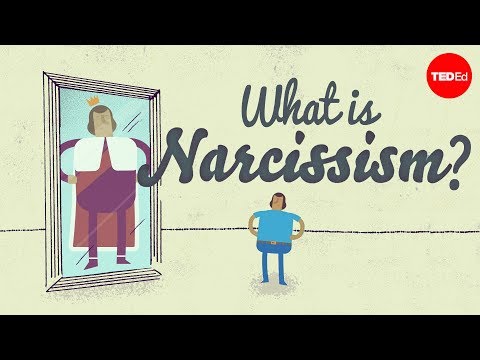
You know, when people talk about narcissism, it usually brings to mind images of someone who spends hours in front of a mirror, right? Like, they’re just obsessed with their own reflection. But let’s get a bit deeper into that. Narcissistic Personality Disorder (NPD) is much more nuanced than just vanity.
The thing is, folks with narcissistic traits often have this super fragile self-esteem hidden beneath all that bravado. They need constant validation and admiration from others to feel good about themselves. I remember this one time my friend was dating someone who fit the bill perfectly. He’d charm everyone in a group setting but would turn cold and distant when he didn’t get the attention he craved. It was like watching someone flip a switch—one moment he was delightful and the next, it was all about him.
This brings up an important aspect: empathy—or the lack thereof, really. Many narcissists struggle with connecting emotionally with others. That can lead to some pretty painful relationships because they might not be able to recognize or respond to your feelings like you’d hope they would. It’s almost like trying to have a heart-to-heart with a brick wall; you’re talking your heart out but there’s little understanding coming back.
So what causes this? Well, sometimes it’s tied up in childhood experiences—like being overly praised or criticized harshly while growing up can leave some people swinging between feeling superior and feeling utterly worthless.
And here’s where things get tricky: not everyone who shows narcissistic traits has NPD. A lot of us can have moments where we act selfishly or seek out validation without fitting into that personality disorder category. We’re human after all!
Understanding narcissism helps us navigate our own relationships better—whether we’re dealing with someone who has these traits or noticing them in ourselves during rough patches. It reminds us that behind those confident façades can be a person struggling for self-worth, too.
So yeah, peeling back the layers on narcissism isn’t just an exercise for psychologists; it’s something that touches all our lives in one way or another!