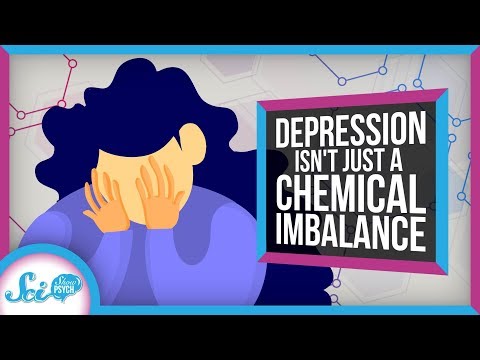
You know those days when everything feels kinda off? Your mood is dragging, and it’s like even getting out of bed feels like a marathon? Yeah, we’ve all been there.
So, here’s the thing: a lot of people talk about depression like it’s just a sad feeling. But there’s way more to it than that.
Ever heard about this idea of “chemical imbalance”? It’s a term tossed around a lot, especially when depression comes up. Some folks say that’s the culprit behind those heavy feelings.
But what does that even mean? And is it really just about brain chemistry? Let’s unpack this together and see what’s going on under the surface!
Exploring the Debate: Is Depression Truly a Result of Chemical Imbalance?
The Idea of Chemical Imbalance is one of the most common explanations for depression. You know, the thought that low levels of certain brain chemicals—or neurotransmitters—like serotonin and norepinephrine can lead to feelings of sadness and hopelessness. A lot of people hear this explanation and just accept it as gospel truth. But hold up! It’s way more complicated than that.
On one hand, there’s strong evidence showing that these chemicals play a role in how we feel. For instance, many antidepressants work by adjusting these neurotransmitter levels in your brain. It makes sense, right? Fix the chemistry, fix the mood! But here’s where things get a bit murky.
So, if chemical imbalance is only part of the story, what else is going on? Well, a bunch of factors come into play! Think about genetics. Some folks can be more prone to depression because of family history. Like my friend Sarah; her mom dealt with depression too. It didn’t mean Sarah would automatically become depressed, but it made her more vulnerable when life threw curveballs.
Also, there’s environmental factors like trauma or chronic stress. Ever notice how life events often seem to trigger depressive episodes? Losing a job or going through a breakup can push someone over the edge even if they were doing okay before. This connection hints at how our surroundings and experiences shape our mental health.
Another angle is psychological. Things like negative thinking patterns can also contribute heavily to depression. When you start feeling down and your mind keeps replaying all those negative thoughts—like «I’m not good enough»—it gets harder to climb out of that hole.
So instead of just saying it’s *all* about chemical imbalance, maybe we should look at it as a blend—an orchestra where various instruments play together. You’ve got biology playing its tune with neurotransmitters but also psychology and environment adding their melodies too.
All in all, saying depression is just from chemical imbalance really oversimplifies what’s happening in our heads. It might be tempting to pin it on low serotonin levels because that’s easy to understand and helps explain why some medications work for some people but not others.
To wrap things up: depression is complex! While chemical imbalances do play a role for many individuals, you’ve got to consider genetics, environment, and psychological factors too—you know? Understanding this could lead us closer to effective treatments and support systems tailored for individual needs rather than sticking with one-size-fits-all solutions.
Exploring the Root Causes of Depression: Key Factors and Insights
Depression can feel like a heavy fog, lingering and hard to shake off. You might wonder where it all comes from, right? Well, one of the ideas often thrown around is the concept of chemical imbalance. But what does that really mean?
The basic idea behind chemical imbalance is that our brains rely on various chemicals—neurotransmitters—to function properly. Think of them as little messengers that help transmit signals throughout your brain and body. When these neurotransmitters are out of whack, especially serotonin and norepinephrine, it can lead to symptoms of depression.
But wait! It’s not just about those chemicals. It’s pretty complicated! Several factors play a role in how we feel.
- Genetics: If you’ve got family members who’ve dealt with depression, you might be at higher risk yourself. Some studies suggest that genetics can influence how likely you are to experience mental health issues.
- Environmental factors: Your surroundings matter too. Stressful situations like job loss or relationship issues can trigger depressive episodes.
- Psychological factors: How you think shapes your feelings! Negative thought patterns can make depression worse or even spark it in the first place.
- Biological factors: Medical conditions like thyroid issues or even chronic illnesses can also affect mood by disrupting those precious neurotransmitters.
Let me tell you about Emma. She was always cheerful until her father passed away unexpectedly. The loss sent her into a tailspin, contributing to her feeling disheartened constantly. After months of struggling, she learned that her serotonin levels were lower than normal—an illustration of how both environmental triggers and biological factors played a role in her depression.
But here’s the kicker: not everyone experiences depression the same way. Some folks might have a significant chemical imbalance without obvious triggers, while others might face plenty of stress but carry on without feeling depressed. It’s like everyone has their own unique recipe for this condition.
Also, while medication can help restore some balance in those neurotransmitters, it’s not a one-size-fits-all solution—it works better alongside therapy or lifestyle changes for many people.
Besides the biological aspect, let’s not forget about emotional resilience and coping skills—which vary wildly from person to person! Two people could experience similar life events but respond totally differently based on their backgrounds and support systems.
So what I’m saying is that understanding depression is more than just focusing on chemical imbalances. It’s about recognizing the complex interplay of genetic makeup, life experiences, thoughts, and biological components. And while it’s totally understandable to search for clear-cut answers regarding mental health challenges, embracing this complexity might help us be kinder both to ourselves and others facing similar battles.
Exploring the Link Between Chemicals and Depression: Key Insights and Research Findings
It’s pretty common to hear that depression is linked to a “chemical imbalance” in the brain. This phrase pops up often, but what does it really mean? Basically, our brains are like a complex orchestra, and the chemicals involved—like neurotransmitters—are the musicians. When everything’s in harmony, you feel good. But if something goes off-key, it can contribute to feelings of sadness or depression.
One of the key players in this orchestra is serotonin. This chemical helps regulate mood, and when levels are low, people might experience symptoms of depression. Studies have shown that people with depression often have reduced serotonin levels. But it’s not just about how much serotonin is in your brain; it’s also about how your body uses it.
Another important chemical is dopamine, which has a huge role in motivation and pleasure. Low dopamine levels can make everyday activities seem dull or unenjoyable—a hallmark of depression. If you’ve ever felt unmotivated to do things you once loved, you know how powerful this can be.
Now, let’s not forget about norepinephrine! This one helps with arousal and alertness. Lower levels might lead to fatigue and difficulty concentrating, making life feel even tougher when you’re already down.
But here’s where things get interesting: while these chemicals are crucial players in the game of mood regulation, they don’t act alone! External factors like stressful life events or genetic predispositions play a significant role too. For instance:
- Genetics: If depression runs in your family, you’re more likely to experience it yourself.
- Stress: Major life changes—like losing a job or going through a breakup—can trigger depressive episodes.
- Environment: A supportive network of friends can buffer against feeling depressed.
Research suggests that treating depression might balance these chemicals out again—but not always through medication alone! Psychotherapy, lifestyle changes like exercise and proper nutrition also play vital roles in restoring balance.
It’s important to remember that everyone experiences depression differently; some folks might feel down for just a short period while others endure long-lasting struggles. Knowing that this condition isn’t simply about “just feeling sad” but involves complex interactions between various factors helps bring clarity.
So next time someone mentions chemical imbalances regarding depression, you’ll see there’s more to the story than just low serotonin or dopamine levels. It’s about understanding how our minds work together with both internal chemistry and external influences to create our emotional experiences. And that understanding can be really empowering!
You know, when we talk about depression, one of the first things that often comes up is this idea of a “chemical imbalance.” It’s like, we’ve all heard it, but what does it really mean?
So picture this: you’re feeling kind of down, maybe you’ve had a tough week or something didn’t go as planned. Like that time when I thought I’d finally ace my big presentation at work, and then realized I was totally unprepared. Ugh. It felt like my brain just short-circuited. In those moments, you might feel sad or lost, and sure, that could be because your brain’s chemistry is off-kilter. But it’s not just about the chemicals floating around in there.
Chemicals like serotonin and dopamine play a huge role in how we feel. When they’re in check, life seems brighter—like after a good night’s sleep or when you’re hanging with friends. But when they’re not balanced right? Well, things can get tricky. You might start feeling empty or hopeless with no real reason for it.
But here’s where it gets interesting—depression isn’t just a simple case of «more serotonin equals happiness.» Life experiences can influence these chemical levels too! Stressful events can mess with your brain’s chemistry just as much as any biological factors might. So while someone might be having a rough time because of those pesky brain chemicals acting up, their past experiences—the ones that sit heavy on their hearts—can also weigh them down.
Imagine carrying around a backpack filled with rocks from past disappointments and losses; sometimes that affects how you deal with new stuff life throws at you today. That heaviness can trigger feelings of depression.
All this to say: the conversation around chemical imbalance is really complex. It’s super important to consider someone’s whole story—not just what’s brewing inside their head chemically but also everything else they’ve gone through. So while chemicals definitely have their part in the drama that is mental health, there’s so much more to the script than meets the eye!