You know, when we think about schizophrenia, we usually picture it showing up in adults. But here’s the thing: some kids are dealing with it too. It’s called childhood onset schizophrenia. Pretty intense, right?
Imagine being a kid, full of dreams and big hopes, but also battling something that makes the world feel really confusing and scary. That’s a lot for anyone to handle!
In this chat, we’ll look at what’s going on in those young minds. We’ll explore the signs, the struggles, and even some of the weird stuff people hear or see. It’s not just about the challenges but also about understanding their journey.
So grab a snack and settle in! We’re diving into a complex topic that needs way more attention than it gets. Ready?
Understanding the DSM-5 Criteria for Early-Onset Schizophrenia: A Comprehensive Guide
is a complex and challenging mental health condition that can appear in children or adolescents. It’s not the same as adult schizophrenia; it has its own set of symptoms and challenges. The DSM-5, which is our go-to manual for mental disorders, lays out criteria to help identify this condition in younger individuals. Here’s a closer look at what that means.
First off, the DSM-5 criteria for early-onset schizophrenia include a few key components:
- Positive symptoms: These are things like hallucinations or delusions. For instance, a child might hear voices that aren’t there or believe they have special powers.
- Negative symptoms: This refers to a decrease in emotional expression or social engagement. A kid might seem super withdrawn, not enjoy activities they used to love, or show little interest in their friends.
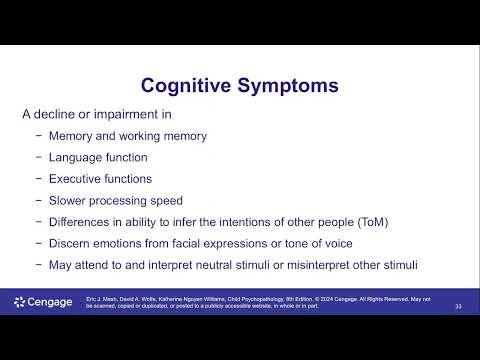
- Cognitive symptoms: These can mess with thinking processes like attention, memory, and problem-solving abilities. Imagine being unable to follow along in class because your mind keeps drifting—tough, right?
To meet the DSM-5 criteria for diagnosis, these symptoms need to have been present for at least six months and significantly interfere with daily functioning. That means if your kid’s grades drop or they stop hanging out with friends because of these issues, it’s something to take seriously.
Now picture this: Imagine a 12-year-old named Jake who used to be super outgoing and loved skateboarding with his buddies. Over time, he begins hearing voices telling him he’s no good at skating—despite no one saying anything negative about him. He starts pulling away from his friends and stops showing up at the skatepark altogether. In Jake’s case, you could identify signs of both positive (the voices) and negative (withdrawing from friends) symptoms.
A key point here is timing. Symptoms often emerge gradually but can sometimes hit suddenly too—it really varies from kid to kid. Plus, early-onset schizophrenia might mimic other conditions like anxiety or ADHD initially, which complicates things further.
And just so you know: while using the DSM-5 criteria helps clinicians diagnose this disorder more accurately, there are other factors that play into it too—like family history or environmental stressors. If kids grow up in chaotic home environments or experience trauma, this could affect their mental health down the line.
In summary, recognizing early-onset schizophrenia can be tricky but crucial for getting kids the help they need. Understanding those DSM-5 criteria helps catch it earlier on so that proper support can be given—whether through therapy or medication options—to help them lead happier lives moving forward.
Understanding the Prevalence of Childhood Onset Schizophrenia: Insights and Implications
Childhood Onset Schizophrenia (COS) is a rare mental health condition that pops up in kids and teens, usually before their 13th birthday. It’s a pretty serious disorder, affecting how they think, feel, and act. You can imagine how tough it must be for a child to grapple with such heavy stuff at such a young age.
What do we know about it? Well, symptoms of COS can look a lot like those found in adult schizophrenia but might vary since kids are still developing. You might see things like hallucinations, delusions, disorganized thinking, or trouble with emotions and social skills. It’s not just “kids being kids.” This is serious business and affects their everyday life.
When you talk about prevalence, it’s estimated that COS occurs in around 0.5-1% of the general population. That number might seem small, but keep in mind that childhood mental disorders are often underdiagnosed or misdiagnosed because they can fly under the radar or be mistaken for other issues like ADHD or anxiety.
Now, why does this happen? There isn’t a straightforward answer here. Genetics plays a big role; if someone in the family has schizophrenia or other related disorders, that risk increases significantly. Also, environmental factors can trigger COS like traumatic experiences during childhood—imagine a kid going through something really tough at home or school.
As for treatment options? Well, it’s typically a mix of medication and psychotherapy tailored to the child’s needs. Antipsychotic medications can help manage symptoms but come with their own set of challenges—like side effects that can be pretty rough on young bodies and minds.
The implications of understanding COS extend beyond just treatment; it’s about creating awareness too! Parents and educators need to be tuned into children’s behavior changes. If you notice a child withdrawing from friends or seeing things others don’t see—don’t brush it off as typical behavior! Early intervention can make all the difference.
Support systems are crucial in this journey as well. Whether it’s family support or therapeutic communities helping those dealing with COS—knowing they’re not alone makes an enormous impact!
In short, while childhood onset schizophrenia is uncommon compared to adult cases; it’s vital to recognize its presence and address it properly. Because at the end of the day, every child deserves to grow up feeling safe inside their heads as well as out there in the world around them!
Understanding Childhood Schizophrenia in DSM-5: Key Insights and Diagnostic Criteria
Childhood schizophrenia, though quite rare, can be a heavy topic that often leaves people scratching their heads. In the DSM-5, it’s categorized under psychotic disorders, and that’s because it involves some pretty intense symptoms that can disrupt a child’s everyday life.
So, what does this really look like? Well, childhood onset schizophrenia typically appears in kids before they hit 13 years old. Kids might experience hallucinations (like hearing voices), delusions (believing things that aren’t true), and disorganized thinking. Imagine a child who thinks they’re in danger from something that isn’t there—that’s pretty terrifying for them and anyone around them!
Let’s break down some key diagnostic criteria from the DSM-5:
- Presence of Symptoms: The child must have at least two key symptoms present for a significant time during one month. This includes hallucinations, delusions, disorganized speech, or negative symptoms like lack of emotional expression.
- Duration: These symptoms should persist for at least six months. During this time, there should be at least one month of active-phase symptoms.
- Affecting Daily Life: The disturbance must impact major areas like functioning at school or in social settings.
- No Other Conditions: It shouldn’t be better explained by another mental disorder or substance use.
It might be hard to see how these things play out in a child’s life. Imagine Jamie, a bright 10-year-old who suddenly starts ranting about how the TV is talking to them—or worse, believes they’re being chased by shadows. Friends might pull away because they don’t get what’s going on—and that leaves Jamie feeling isolated and confused.
Another thing to remember is developmental differences. Kids don’t express themselves the same way adults do. They may not fully understand what’s happening to them or find it tough to describe their feelings clearly. This makes diagnosis tricky! Clinicians often have to rely on observations from parents or teachers who notice behavioral shifts over time.
Now here comes the big question: what causes this? The exact reasons aren’t completely understood yet—it’s thought to involve genetics along with environmental factors like trauma or severe stress during crucial developmental periods.
And here’s where things get even more complicated—diagnosing childhood schizophrenia isn’t always straightforward because other conditions can look similar. You’ve got mood disorders and ADHD waving their hands too! That overlap means careful evaluation is essential.
If you ever find yourself in conversations around this topic—or perhaps you’re concerned about someone you know—you really want to keep an open mind and look into how different psychological perspectives can shine a light on understanding these kids better.
So yeah, while understanding childhood schizophrenia takes some digging deep into psychology’s more nuanced sides, knowing its framework helps us support those affected more effectively—because every kid deserves love and understanding through whatever they’re going through!
Childhood onset schizophrenia is one of those topics that really makes you stop and think. It’s not just about seeing things that aren’t there or hearing voices; it’s way more complex than that. Imagine being a kid and experiencing a world that feels completely different from everyone else’s, you know? It can be terrifying, isolating, and seriously overwhelming.
When you dig into the psychological perspectives on this condition, you can see how varied they are. Some experts look at it through a genetic lens. They might say there’s a hereditary component, which means if someone in the family has schizophrenia, kids could be at higher risk. But then there are others who think environmental factors play a massive role too—things like stressful life events or even trauma. It’s like trying to figure out whether it’s nature or nurture creating these experiences.
You might remember reading about how kids with this condition sometimes struggle to distinguish between reality and their hallucinations. Imagine sitting in class while your mind tells you that everyone around you is plotting against you—it’d be so hard to focus! That disconnect influences their interactions with peers. Friends can easily drift away when someone seems “different,” which adds another layer of isolation.
And then there’s the emotional toll it takes on both the child and their family. Picture a parent watching their child go through episodes where they’re scared or confused—it must feel utterly helpless at times. The stigma surrounding mental health can also make things even trickier for families seeking help.
In terms of treatment, approaches vary widely too—from medication to therapy focused on building coping skills and social connections. It’s important to understand that what works for one kid might not work for another; every situation is unique.
What really strikes me is how resilience plays a part in all this. I mean, kids have this amazing ability to adapt, even when faced with tough circumstances. Fostering supportive environments can make such a difference—whether it’s through therapy, understanding friends, or patient parents who stick by them no matter what.
So yeah, childhood onset schizophrenia isn’t just about symptoms; it’s about the human experience behind those symptoms—the complex interplay of biology, environment, emotions, and relationships that shape these young lives every day. And just thinking about it makes me feel hopeful for more awareness and compassion in tackling such challenging conditions together as a community.