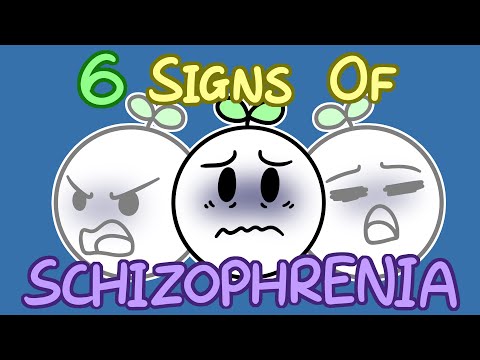
So, let’s chat about something pretty important—schizophrenia. It’s one of those terms that people often toss around, but when it comes to kids, things get a little tricky.
Imagine being a child and seeing or hearing things that nobody else does. Sounds scary, right? Well, some kiddos might show early signs of schizophrenia way before the diagnosis hits in their teens or early adulthood.
You might wonder how you can spot these early indicators. Are they always obvious? Not really. Some are subtle and can easily be missed, like a hidden puzzle piece that just doesn’t fit.
But understanding these signs can make a huge difference in a kid’s life—like catching something before it spirals out of control. So, grab a comfy seat and let’s unpack this together!
Understanding the Onset Age of Schizophrenia Symptoms: Key Insights and What to Watch For
Schizophrenia symptoms usually emerge in late adolescence or early adulthood, but early indicators can sometimes show up much earlier, even in childhood. It’s a pretty complex topic, so let’s break it down. You might think of a friend or family member who is just a bit “off” and wonder if there’s more to it.
In many cases, the signs of schizophrenia may sneak in during those pivotal developmental years, often between ages 5 and 12. But here’s the twist: these signs can be subtle and easily brushed off. It could be something like unusual behavior, odd beliefs, or social withdrawal.
When looking for early indicators of schizophrenia in childhood development, here are some things to keep an eye on:
- Social withdrawal: A child who used to be super social may start avoiding friends or family.
- Unusual thoughts: Kids might begin expressing bizarre beliefs or ideas that don’t make sense to others.
- Emotional flatness: They might seem emotionally disconnected from situations that would typically prompt a reaction.
- Strange perceptions: Hearing voices or seeing things that aren’t there can be an early sign.
- Changes in behavior: Sudden changes like decreased interest in activities they once loved should raise some eyebrows.
I remember this one kid I knew back in school—let’s call him Jake. He was always friendly, loved playing with others, but then he started talking about how he believed he could read people’s minds. At first, we all thought it was a wild imagination phase. But over time, he became increasingly withdrawn and began acting really weird during class—a big shift from his usual self.
Another thing worth noting is that genetics play a role. If there’s a family history of mental illness, it’s especially important to pay attention to these signs. It doesn’t mean every child will develop schizophrenia if their relative had it, but the risk increases.
You should also remember that not every quirk equals schizophrenia; childhood is full of ups and downs—growing pains if you will! But being aware of these potential indicators can help catch concerns early.
Early intervention can be crucial here. The sooner symptoms are recognized and addressed with the right support systems—whether through therapy or other avenues—the better the outcomes generally are for kids dealing with these challenges.
In sum, while schizophrenia typically surfaces later in life, keeping an eye out for these signs during childhood could help navigate those tricky waters more effectively. Staying informed means you can act when necessary—not overreacting but definitely not ignoring either!
Understanding the Diagnosis of Schizophrenia in Children: Key Criteria and Considerations
Understanding the diagnosis of schizophrenia in children can be quite a challenge. It’s not just about recognizing the symptoms; it’s also about knowing when these symptoms show up in childhood development. So, let’s break it down a bit.
Early indicators of schizophrenia can be subtle and often mistaken for normal childhood quirks. Kids might show odd behaviors or have unusual thoughts, but that doesn’t automatically mean they have schizophrenia. This is why careful observation and a thorough assessment are crucial.
There are some key criteria that professionals look for when diagnosing schizophrenia. These include:
- Delusions: This means strongly held beliefs that don’t match reality. For example, a child might think they have superpowers or believe that people are talking about them.
- Hallucinations: Kids may hear, see, or feel things that aren’t there. Imagine a child saying they see imaginary friends who talk to them — if this persists and affects their daily life, it’s concerning.
- Disorganized thinking: When a child struggles to communicate clearly or their thoughts seem jumbled, that’s another red flag. You might find them jumping from topic to topic without making sense.
- Narrowed emotional expression: This could mean showing little emotion in situations where you’d expect more. Like laughing at something sad or not reacting much to exciting news.
The tricky part is that kids can often display some of these behaviors during normal development phases. That’s why context is everything! A child might have vivid imaginations or talk to “invisible friends,” but if those instances become frequent and distressing, it’s time to pay closer attention.
This brings us to considerations for diagnosis. Experts usually take into account:
- A family history: If there’s been mental health issues in the family, professionals may be more likely to investigate further when symptoms arise.
- The child’s age: Symptoms typically emerge in late adolescence or early adulthood, so diagnosing younger kids requires careful examination of their unique behavior.
- Cultural factors: Beliefs about mental health vary by culture, which can impact how symptoms are perceived and reported.
Anecdote time! Imagine a parent noticing their 8-year-old son regularly talking about his “secret friends” who give him advice on everything from what snack to eat to how to play sports better. At first glance, it sounds harmless and cute — typical childhood imagination! But then they realize he’s started avoiding other kids at recess because he believes others can’t see these friends too. This change in behavior is what brings parents into action for evaluation!
If you’re concerned about a child’s mental health due to signs like these, seeking **professional help** is really important. Specialists will conduct thorough assessments based on structured interviews and sometimes standardized testing to understand what’s really going on.
The key takeaway? Diagnosis of schizophrenia in children involves looking at many different factors over time rather than jumping to conclusions based on a few odd behaviors. Early intervention makes all the difference — so keep an eye out for patterns and seek support if you’re worried!
Understanding Very Early Onset Schizophrenia: Key Age Indicators and Insights
Understanding Very Early Onset Schizophrenia might sound heavy, but let’s break it down. It’s a rare but serious condition that shows up in kids, typically before they hit the age of 13. Think about it: recognizing the signs early can make a world of difference in getting the right support.
So, what are some key indicators you might notice? Let’s take a peek:
- Changes in Behavior: Kids may seem withdrawn or show unusual behaviors. Instead of hanging out with friends, they might prefer being alone.
- Delusions and Hallucinations: Imagine a child hearing voices or believing that something unreal is happening. These experiences can be scary and confusing.
- Cognitive Issues: Problems with thinking or concentrating can pop up. A child who normally aces their homework might suddenly struggle with basic tasks.
- Emotional Changes: Look for drastic shifts in emotions, like extreme sadness or irritability that feels out of character.
- Atypical Development: Sometimes, milestones like speech and social interaction don’t follow the usual path. This could raise some flags for parents and caregivers.
Now, let’s talk numbers. The average age for symptoms to appear is usually around 7 to 12 years old, which is pretty young! But it’s not just about age; context matters too. If you notice these signs showing up consistently over time—like several months—it’s worth paying attention.
I remember this one story about a mom noticing her son talking to “invisible friends.” At first, she thought it was just childhood imagination—something many kids do! But as time passed, his behaviors became more erratic; he started isolating himself and showing signs of distress whenever he was around others. That experience was tough for her because she wasn’t sure how to help him—she loved him dearly but needed guidance.
Sometimes parents dismiss these signals as typical phases that kids go through. But here’s the thing: if you start seeing patterns that are unusual for your child’s age or personality, it’s essential to reach out for help.
A comprehensive evaluation by professionals who specialize in childhood mental health can be super important here. They can offer insight into whether these behaviors link to Very Early Onset Schizophrenia or something else entirely.
Most importantly, don’t hesitate to seek support from friends or support groups. Dealing with early indicators of schizophrenia isn’t easy—it can feel isolating—but connecting with others who understand can really lighten the load.
To wrap it up: spotting issues early can pave the way for treatment that helps manage symptoms and supports a child’s development effectively. You want your little ones to thrive!
You know, when we think of schizophrenia, we usually picture the complexities of adult life. But the reality is that early signs can show up during childhood, and it’s super important to recognize them. It’s like having a tiny radar that can pick up on things that might seem off at first but can mean a lot down the line.
I remember this one time my friend shared a story about her little brother. He was around eight years old and started talking to imaginary friends in a way that seemed different, you know? At first, everyone brushed it off as normal childhood imagination. Kids have wild fantasies! But as time went on, these “friends” became more intense. He’d get upset if they weren’t included in games or if someone else tried to play with him. Eventually, his school noticed he was withdrawn and struggled with reality checks—a classic sign.
Situations like this can be tricky because kids are all about fantasy and make-believe. But some behaviors raise a red flag. Things like unusual speech patterns or having beliefs that don’t line up with reality—like thinking they’re being controlled by outside forces—are worth keeping an eye on. Maybe they’ll seem paranoid or hear voices no one else hears; those aren’t typical childhood experiences.
In addition to odd behaviors, emotional disconnect can also be a sign. Imagine a kid who experiences strong feelings but struggles to express them appropriately—like laughing when something sad happens or showing little reaction when something exciting occurs. This emotional blunting can confuse family and friends.
Understanding these early indicators is crucial because it helps in getting support for the child sooner rather than later. Early intervention can significantly improve outcomes for anyone facing mental health challenges down the road.
So yeah, it’s all about paying attention. If you notice some unusual signs in kids around you—be it your own children or others—it might not just be quirky behavior; it could be something more significant brewing underneath the surface. Recognizing those nuances early on could make all the difference in their future!