You ever hear about chionophobia? It’s a fancy word for a pretty common fear: the fear of snow. Crazy, right?
Imagine waking up to a winter wonderland but feeling your heart race at the sight of all that white fluff. It sounds wild, but people really struggle with this.
Snow can be beautiful and fun, yet for some, it’s just terrifying. Maybe they’ve had a bad experience or the thought of slipping and falling is just too much.
So let’s unravel this! What is it about snow that can flip a switch in our brains? Buckle up—we’re diving into the psychology behind the chill!
Understanding Chionophobia: Pronunciation Guide and Key Insights
Chionophobia, pronounced as kee-oh-no-phobia, is the fear of snow. It’s one of those specific phobias that might sound a bit unusual, but it can really impact someone’s life. You might think, «Snow? Really?» But when you dig a little deeper, you see how powerful our fears can be!
Imagine being a kid who loves to ski but suddenly finds yourself panicking every time flurries hit the ground. Or think about an adult who avoids going on winter trips or even stepping outside when there’s snow in the forecast. The thing is, this fear isn’t just about disliking cold weather; it often goes hand-in-hand with bad experiences related to snow or simply the anxiety of losing control in slippery conditions.
So what drives chionophobia? Here are a few insights:
- Traumatic Experiences: For some folks, past negative events involving snow—like getting stuck during a blizzard or slipping on ice—can trigger this fear.
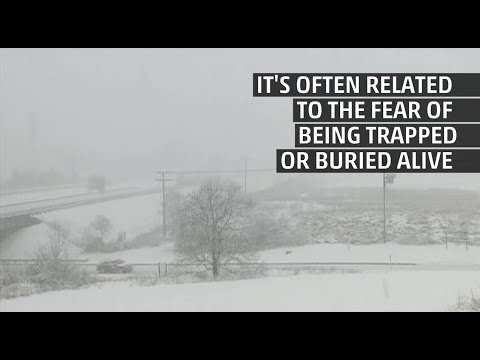
- Fear of Being Trapped: Snow can create isolation; when people worry about being confined indoors due to heavy snowfall, it can amplify their anxiety.
- Edit of Control: Snow changes familiar landscapes and makes everyday tasks like driving feel risky. This loss of control can spark panic.
- Anxiety Disorders: Chionophobia can be linked to other anxiety issues, making it more than just a simple dislike for something cold and fluffy.
The symptoms? Well, they’re pretty typical for phobias—you know those feelings: rapid heartbeat, sweating, shaking, or even nausea when snow is around. It’s not just “I don’t like this”; it gets intense!
Treating something like chionophobia usually involves exposure therapy, where you gradually face your fears in manageable steps. A person afraid of snow might start by looking at pictures or watching videos before eventually stepping outside during light snowfall. The goal is to rewire the brain’s response over time. Sounds tough? It can be! But small steps make big changes.
If you know someone struggling with this phobia—or any phobia for that matter—just understanding their feelings can go a long way. Compassion helps! Remember how overwhelming fears can feel for someone dealing with them?
Anyway, whether it’s chionophobia or another form of anxiety, we’re all navigating our own challenges—and sometimes supporting each other makes all the difference.
Understanding Chionophobia: Exploring the Fear of Snow and Its Impact on Daily Life
Chionophobia, or the fear of snow, can be pretty intense for those who experience it. Imagine waking up one winter morning and seeing the world covered in a fluffy white blanket. For many, it’s beautiful and serene. But for someone with chionophobia, it can trigger panic and intense anxiety. It’s like seeing your worst nightmare unfold right outside your window.
So how does this fear come about? Well, fears often stem from past experiences or learned behaviors. Maybe someone had a bad experience in the snow—like slipping on ice or getting stuck during a blizzard. The brain learns to associate snow with danger, and voila! You’ve got chionophobia.
Now, let’s break down some key elements of this fear:
- Physical Reactions: People with chionophobia might experience rapid heart rate, sweating, or even nausea when they see snow or think about it.
- Avoidance Behavior: Many will go out of their way to avoid places where snow is likely to occur. This could mean taking longer routes during winter or even avoiding trips altogether.
- Impact on Daily Life: It can seriously affect your day-to-day activities. If you live in a snowy area, this fear might limit social outings or work opportunities.
What’s fascinating is how these fears manifest differently in people. You might know someone who feels anxious just watching a snowstorm on TV while another person can handle it better but still prefers to stay indoors when it snows.
It’s not uncommon for folks with chionophobia to seek out help to cope with their feelings. Techniques like cognitive-behavioral therapy (CBT) might help them challenge their thoughts around snow and gradually face their fears. Some even find comfort through exposure therapy—like starting small by looking at pictures of snow before eventually stepping outside during light snowfall.
So yeah, chionophobia isn’t just about disliking cold weather; it’s a genuine psychological struggle that can influence many aspects of life. Understanding this fear can lead to more compassion for those who face it every winter season. Remember that everyone has their battles; for some, navigating the snowy season is one of theirs!
Understanding Chionophobia Symptoms: Recognizing the Fear of Snow
Chionophobia, or the fear of snow, might sound a bit unusual, but it affects some people in real ways. Imagine waking up to a beautiful winter wonderland outside your window. For someone with chionophobia, that scene can trigger feelings of anxiety or panic instead of delight.
So, what exactly are the symptoms? Well, they can vary from person to person, but here are a few common ones:
- Extreme Anxiety: Just thinking about snow can cause heart palpitations and sweating. It’s like your brain goes into overdrive with worry.
- Panic Attacks: Some folks might experience a full-blown panic attack when they see snow. This could involve shortness of breath, dizziness, or feeling like you’re losing control.
- Avoidance Behavior: You could find yourself avoiding places where snow is likely to appear. Maybe you skip family trips during winter just to dodge the white stuff!
- Nausea and Other Physical Symptoms: Feeling sick to your stomach or even getting headaches when it snows is pretty common.
The thing is, fear often stems from past experiences. Maybe someone had a traumatic event involving snow as a child, like getting stuck in a blizzard or slipping on ice. That negative experience can create lasting associations that trigger fear later in life.
If you’ve ever felt this way during wintertime or have met someone who does, it’s important to acknowledge that these feelings are valid. Some people may feel embarrassed talking about their fears, thinking they’re strange for fearing something as commonplace as snow. But look: everyone has their own triggers and challenges that might not make sense to others!
You might be asking what happens next if you (or someone you know) experiences chionophobia. Understanding the fear is crucial! Recognizing emotions tied to this phobia can be super helpful for easing anxiety over time. It could also be worthwhile seeking support from friends or family who understand what you’re going through. Sharing feelings often lessens the weight!
If managing those feelings gets too heavy on your shoulders alone, consider looking into resources like support groups specific to phobias or even reading stories from others facing similar fears. Connecting with people who really get it can make all the difference in feeling less isolated.
Finally, remember that fears don’t define you. Whether it’s snow or something else entirely—understanding and tackling these fears head-on leads the way toward living life more fully!
So, let’s talk about chionophobia, which is just a fancy word for the fear of snow. I know, right? It sounds a bit odd at first! But if you think about it, snow can be kind of intimidating. It’s not just about slipping on ice; it’s also tied to some deeper emotions.
Imagine being a kid in a snowy place, bundled up in layers and ready to build the best snowman ever. But maybe there’s that one time when the snow got too deep. You fell into it and couldn’t get up. That sense of entrapment and panic could stick with you forever. It’s like your brain tags that experience as “danger,” even if your grown-up self knows there’s really nothing to be afraid of now.
So why do these fears develop? Sometimes, it stems from personal experiences like that fall I mentioned—or perhaps witnessing someone else struggle in bad weather can plant those seeds of anxiety. And then there’s just plain old imagination working overtime. You might start picturing worst-case scenarios: getting trapped or lost in a blizzard or dealing with those heavy snow drifts that make everything feel claustrophobic.
Also, let’s not forget the role media plays in this whole thing! News stories about terrible storms can amplify feelings of fear when snow starts falling. Just think about how people react when they announce a substantial snowfall; there’s this collective panic buying food and supplies like the apocalypse is coming!
What happens is this fear can grow over time if it’s not addressed. People might avoid places with heavy snowfall or even find themselves stressed out every winter—missing out on fun activities like skiing or cozying up next to a fire after a day of sledding.
But overcoming chionophobia is totally possible! It’s often about facing that fear gradually—maybe through positive experiences with snow or just understanding where that fear comes from in the first place. You realize it’s just frozen water at the end of the day!
So yeah, snow can be beautiful and magical but also kind of scary for some folks. Understanding chionophobia helps us appreciate how our past shapes our feelings about things—even something as simple (and stunning) as snowflakes gently falling from the sky!