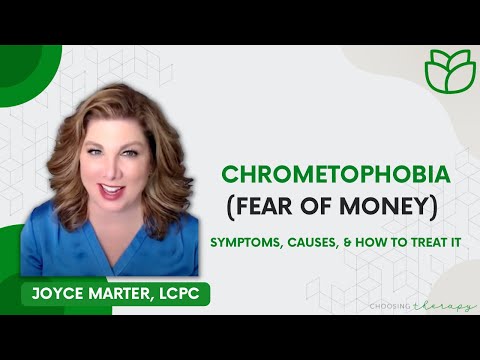
So, have you ever found yourself feeling super anxious about money? Like, when you see cash or even a credit card, your heart races and you just wanna run away? Well, that’s kinda what chrometophobia is all about. It’s that weird and intense fear of money. Crazy, right?
Imagine going into a shop and suddenly feeling like the walls are closing in because there’s all this talk about prices and payments. Yikes! You’re not alone if this sounds familiar.
The thing is, this fear isn’t just about being uptight over cash. It’s tied to deep emotional stuff and past experiences. Let’s unpack it together!
Understanding Chrometophobia: Exploring Its Definition and Classification as a Mental Illness
Chrometophobia might sound like a mouthful, but it simply refers to the fear of money or wealth. Yeah, it’s a real thing! This fear can be part of a broader anxiety issue, making everyday life really tricky for those who experience it.
So, what does it look like? People with chrometophobia can have intense anxiety when they think about money. They might avoid situations where money is discussed or handled. Imagine being at a party and everyone starts talking about their salaries or financial plans—somebody with this phobia might feel an overwhelming urge to leave. It’s like being stuck in an elevator when you really need to get off!
But why do some people develop this fear? There are various reasons! Past traumas involving money—like sudden loss of wealth or growing up in financially unstable conditions—can play a big role. The emotions tied to those experiences can linger, making the idea of money feel scary.
Next up, let’s talk about how chrometophobia fits into mental health classifications. It falls under specific phobias in the DSM-5 (the Diagnostic and Statistical Manual of Mental Disorders). Just picture it as one category among many fears, like heights or spiders.
So basically, if someone has chrometophobia, they’d likely have:
- Anxiety when discussing or thinking about money.
- Avoidance of situations where financial transactions occur.
- Physical symptoms like sweating or rapid heartbeat when faced with financial matters.
Now here’s something interesting: this fear isn’t just about being frugal; it can mess with social relationships too. Friends might annoyingly joke about spending habits or investments without realizing they’re triggering anxiety in someone dealing with this phobia.
Overcoming chrometophobia isn’t easy; it takes time and often help from professionals who understand these emotions. Some folks find that therapy helps them slowly face their fears and understand their relationship with money better.
It’s important to remember that while this is a legitimate mental health concern, support from friends and family can make a huge difference too. Also, having conversations around money—while uncomfortable—can sometimes help demystify our fears surrounding cash flow.
In summary, chrometophobia is more than just disliking cash; it’s intertwined deeply with personal history and emotional responses. If you come across someone grappling with this fear, just know that it’s real for them—and understanding goes a long way!
Effective Strategies for Overcoming Chrometophobia: Your Comprehensive Guide
Chrometophobia, or the fear of money, can seriously mess with your daily life. It’s not just about cash; it can make you anxious about finances, spending, and even the thought of managing your own budget. So, if you’re feeling overwhelmed by this fear, don’t worry—you’re not alone! Many people deal with this issue. Let’s explore some strategies that might help you tackle this phobia.
Understand Your Fear
Take some time to think about what triggers your anxiety around money. Is it the fear of not having enough? Or maybe you’re worried about making mistakes? Understanding these feelings is a big first step. For instance, when I was younger, I would freak out at the idea of looking at my bank statements because I was scared of seeing my balance drop. That pressure only made things worse!
Start Small
If checking your finances feels daunting, start with tiny steps. You could look at one account instead of all your finances at once. Just pick one day a week to check in with yourself and see where you stand financially. This little routine can help reduce anxiety over time.
Talk It Out
It’s super helpful to share your feelings with someone you trust—a friend or family member who gets it. Talking about your worries can lighten the load and provide clarity. You’d be surprised how many people have similar fears! I once shared my money worries over coffee with a friend and discovered she felt just as stressed.
Set Realistic Goals
Establishing small financial goals can be a game changer! These could be saving a bit each month or creating a budget that feels doable for you. But don’t overwhelm yourself—keep it simple at first! Celebrate those small victories along the way; they add up!
Educate Yourself
Knowledge is power! Learning more about budgeting and personal finance can build confidence and reduce anxiety surrounding money matters. There are loads of resources like podcasts or books that break down finance in an easy-to-understand way.
Practice Mindfulness
Incorporating mindfulness techniques into your routine—like meditation or deep breathing—can help manage anxiety overall. If thoughts about money start spiraling out of control, take a few moments to breathe deeply and focus on being present.
Seek Professional Help if Needed
Sometimes talking to a professional is necessary if things feel super overwhelming. They can offer tailored strategies that fit your specific situation better than general advice does. It’s okay to ask for help; everyone needs it now and then.
- Recognize triggers
- Start small in checking finances
- Communicate openly with trusted individuals
- Create realistic financial goals
- Educate yourself about budgeting practices
- Practice mindfulness techniques
- Consider talking to a professional
Basically, overcoming chrometophobia takes time and effort but it’s totally possible! Just remember—you’re not alone in this journey, and finding ways to cope is what matters most. So go easy on yourself as you navigate those tricky money waters!
Understanding Cherophobia: Exploring the Fear of Happiness in Psychological Contexts
Cherophobia might sound like a pretty obscure term, but it actually refers to the fear of happiness. Yeah, you heard that right! This fear can manifest in various ways, and it’s often linked to deeper psychological issues. So let’s break this down a bit.
What is Cherophobia? It comes from the Greek word “chairo,” meaning “to rejoice.” Basically, people who experience this fear often believe that being happy could lead to negative outcomes, like disappointment or loss. It might seem a bit odd to avoid happiness, right? But for some folks, it’s a real struggle.
Why does it happen? Well, cherophobia can be tied to past experiences. If someone has faced trauma or significant loss after a joyful event, they might start associating happiness with something bad happening. Imagine celebrating your birthday only to receive heartbreaking news later that day. It makes sense why someone would start to avoid joy after an experience like that!
Common Signs Here are some signs that someone might be dealing with cherophobia:
- A tendency to sabotage good things or opportunities.
- Anxiety when things are going well.
- A belief that joy will lead to inevitable sadness.
- A pattern of pessimism or negative thinking.
Those symptoms can feel pretty overwhelming. It can feel like you’re stuck in this loop where happiness just doesn’t seem safe.
The Psychological Context In terms of psychology, cherophobia is often linked with anxiety disorders or depression. People with these conditions may have distorted thoughts about happiness and what it entails. The thing is, the brain tends to focus on potential threats—so if you’ve been conditioned to think that happy moments inevitably lead to downturns, your brain’s gonna keep its guard up.
You know how sometimes we learn from our mistakes? Well, this kind of protective mechanism—while helpful in some situations—can get way out of hand when it prevents you from experiencing positive moments in life.
How Does This Relate to Chrometophobia? So chrometophobia—the fear of money—is another interesting psychological phenomenon. Both fears deal with associations and expectations built around specific feelings or concepts. With chrometophobia, one may link money with stress or emotional turmoil rather than seeing its potential benefits.
People suffering from either condition often miss out on the positives because their fears create barriers around them. For instance:
- If you’re scared of money (chrometophobia), you might refuse promotions or avoid financial opportunities.
- If you’re scared of happiness (cherophobia), you might decline invitations even if they promise fun experiences.
In both cases, it’s about avoiding what society generally perceives as good because deep down there’s a belief that something bad is lurking around the corner.
Overcoming These Fears The journey toward overcoming cherophobia usually involves addressing those underlying beliefs and traumas. That could include talking through past experiences in therapy or using cognitive behavioral techniques to challenge negative thought patterns. Gradually embracing small doses of happiness—like enjoying time spent with friends or relishing a sunny day—can help build up resilience against these fears.
So yeah, understanding cherophobia gives insight into how intertwined our emotions can be and how they shape our experiences of joy and satisfaction in life! Recognizing these patterns is step one toward breaking free from them and reclaiming those precious happy moments we all deserve!
Chrometophobia, or money fear, is such an interesting topic. It’s wild how something as common as cash can stir up so much stress and anxiety for people. You know, I remember a friend who would literally panic at the thought of opening their bank statements. It wasn’t just about numbers; it was like an emotional rollercoaster every time they thought about finances.
This kind of fear can stem from various experiences, like growing up in a household where money was always tight or witnessing financial struggles that left a mark. Our brains are wired to respond to stressors, and money often becomes this massive symbol of security—or the lack of it. The thing is, when you constantly associate money with fear or shame, it creates this vicious cycle that’s tough to break.
So imagine being really anxious about spending or even saving. You might avoid transactions because your mind starts racing: “What if I run out?” “What if I make a mistake?” This kind of thinking can lead to serious avoidance behaviors where you just decide not to deal with anything financial at all. What happens next? Well, your bills pile up or your savings don’t grow—causing more anxiety which leads back into that cycle.
But here’s the kicker: overcoming chrometophobia isn’t just about trying harder not to be scared. It’s more like peeling back layers of emotional baggage associated with money. It often helps if you start viewing finances as tools rather than threats. You can even try breaking down the process into smaller steps instead of tackling everything at once. Like, maybe just take a deep breath and look at one bill today? Small wins build confidence.
And there’s something powerful in sharing these fears with someone too—like talking it out may lessen some heaviness on your heart and mind. It’s crazy how letting someone else in can shine light on things that seem dark when you’re facing them alone.
Life has ups and downs when it comes to money—it’s just part of the deal—but confronting those fears one step at a time can lead to such freedom in managing finances without that cloud hanging over your head all the time. Seriously! You’re not defined by those fears; they are just parts of your journey, you know?