Hey! So, let’s talk about something that hits a bit close to home for a lot of us: chronic depression. You know, it’s that heavy feeling that can linger like an uninvited guest.
It creeps in when you least expect it and can make even the simplest things feel like climbing a mountain. Ugh, right?
Seriously, it’s wild how it messes with your head and emotions. You might find yourself asking: Why does this happen? What’s going on in there?
So, stick around as we try to unpack the mind’s complexities together. We’ll explore what chronic depression really means and maybe shed some light on this tricky beast.
Top 4 Lifestyle Habits to Effectively Manage Anxiety and Depression
Sure, let’s chat about some lifestyle habits you can adopt to manage anxiety and depression. These habits can really make a difference in how you feel day-to-day. So, here we go!
1. Regular Physical Activity
Getting moving is like hitting the refresh button for your brain. Exercise releases those feel-good chemicals called endorphins, which can boost your mood. You don’t have to run a marathon or lift heavy weights; even a simple walk in the park can help. Just picture yourself stepping outside, feeling that breeze on your face, and letting go of some of the weight you’ve been carrying.
2. Balanced Nutrition
What you eat has a major effect on your mental health. Foods rich in omega-3 fatty acids (like fish) and those packed with vitamins (fruits and veggies) can provide nutrients that uplift your mood. Imagine swapping out that bag of chips for some nuts instead—small changes add up! Plus, staying hydrated is super important; so make sure you’re drinking enough water throughout the day.
3. Quality Sleep
Sleep and mental health are totally connected! When you’re tired, everything feels harder—like climbing a mountain when it should just be a stroll in the park. Try to stick to a regular sleep schedule; going to bed and waking up at the same time helps your body get into a rhythm. So maybe ditching that late-night scrolling on your phone could help you catch those Z’s more easily.
4. Mindfulness Practices
Practicing mindfulness or meditation can be like giving your mind a hug—seriously! Taking just 5-10 minutes each day to focus on your breath or observe your thoughts without judgment helps reduce anxiety levels significantly. Picture yourself sitting quietly with eyes closed, letting thoughts come and go like clouds floating past in the sky.
Bringing these habits into your daily routine might seem tricky at first but don’t stress it! You don’t have to do everything at once; start small and build from there. Remember, managing anxiety and depression is about progress, not perfection!
Understanding Permanent Depression: Key Factors, Legal Implications, and Support Options
Permanent or chronic depression is one of those heavy topics that can feel overwhelming, but let’s try to break it down. It’s like carrying a backpack filled with rocks all the time. Even when you’re not actively thinking about your struggles, that weight is still there, and it affects how you move through life.
Understanding Chronic Depression means looking into the key factors that contribute to it. First off, imagine your brain as a city. Sometimes, certain parts get damaged, like from trauma or stress. Those experiences can change how the brain works and lead to ongoing feelings of sadness and hopelessness.
- Biological Factors: This includes genetics. If someone in your family has struggled with depression, you might have a higher chance of experiencing it too. It’s like getting handed a genetic lottery ticket where sadness is part of the deal.
- Psycho-social Factors: Life events play a big role too! Losing someone close to you or going through major life changes can trigger or worsen feelings of depression. Picture losing your job; that can leave you feeling adrift and uncertain for ages.
- Cognitive Patterns: Sometimes our thoughts get stuck on repeat, focusing on the negatives instead of positives. You know how it feels when you’re stuck in a loop? That’s what it’s like when these negative thought patterns take hold.
The thing is, chronic depression isn’t just about feeling sad all the time. It’s more complex than that. There are physical symptoms too—like fatigue and changes in sleep patterns—that can make everyday tasks feel impossible.
Legal Implications, now that’s an interesting angle! In many places, mental health laws are starting to evolve to recognize conditions like chronic depression. For example, if someone can’t work because of their mental health struggles, they might qualify for disability benefits or protections under employment law. But this gets complicated since every country has different laws around mental health and work rights.
- Employment Rights: If your depression affects your ability to perform at work, many laws protect you from unfair dismissal or promote reasonable adjustments by employers.
- Social Security: In some places, individuals diagnosed with chronic depression may be eligible for social security disability benefits if they meet specific criteria about how their condition impacts their daily life.
And here comes the really important part: Support Options. You aren’t alone in this struggle—even though it can feel isolating at times. Support systems matter so much! Friends and family can offer comfort just by being there for you. But looking for professional help—like therapists—is often essential too.
- Counseling/Therapy: A therapist could provide strategies to cope with the feelings that come from chronic depression—like cognitive-behavioral therapy (CBT). This approach helps change negative thought patterns into more balanced ones.
- Support Groups: Connecting with others who understand your experience can be incredibly validating. Sharing stories often helps ease some of that emotional burden.
- Meds: Sometimes medication is necessary to help level things out chemically in your brain; think about it like adjusting a recipe when something isn’t tasting right!
The road through chronic depression may not be straightforward but understanding its key factors and legal implications helps shine a light on ways forward—and hope exists! Every step taken toward seeking understanding or support counts as progress toward feeling better again.
Understanding Major Depressive Disorder with Anxious Distress: Symptoms, Causes, and Treatment Options
Major Depressive Disorder with Anxious Distress can be a heavy topic, but let’s break it down easily. Imagine feeling a weight on your chest, like you’re stuck in a fog where nothing seems to lift your spirits. That’s how many people experience this condition—it’s like carrying two backpacks at once: one filled with sadness and the other with anxiety.
Symptoms can vary from person to person, but they generally fall into a few categories:
- Emotional symptoms: You might feel hopeless or worthless. Sometimes, you might struggle to enjoy things that used to make you happy.
- Anxiety symptoms: These can include constant worry or racing thoughts. You might feel restless or jittery, even when there’s no reason for it.
- Physical symptoms: Sleep disturbances are common—either sleeping too much or not enough. Changes in appetite can happen too; maybe you eat everything in sight or barely touch your meals.
You know, it’s almost like being on a rollercoaster that never stops. One moment, you’re low; the next, you’re anxious about simple daily tasks—like going grocery shopping or making small talk. It can be exhausting.
Now let’s talk about the causes. There isn’t just one reason someone might develop Major Depressive Disorder with Anxious Distress; it usually results from a mix of things:
- Genetics: If depression runs in your family, you might have a higher chance of experiencing it yourself.
- Biosocial factors: Imbalances in brain chemicals (neurotransmitters) play a role too. Think of these as messengers in your brain—when they’re off-kilter, things can go haywire.
- Stressful life events: Losing a job or going through a tough breakup could trigger these feelings and symptoms.
It’s tough; sometimes life throws curveballs at us that we aren’t really prepared for.
So when we talk about Treatment Options, there’s no one-size-fits-all solution. You’ve got a few routes to consider:
- Therapy: Cognitive Behavioral Therapy (CBT) is popular because it helps reframe negative thoughts and teaches coping strategies—kind of like having someone help you untangle those messy wires in your mind!
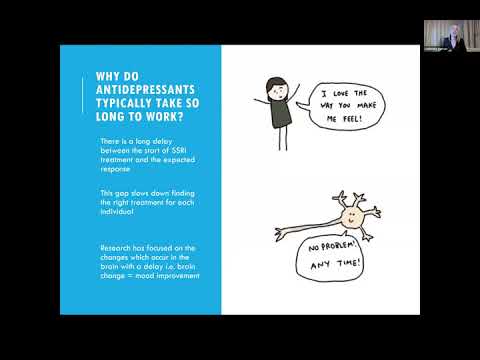
- Meds: Antidepressants may be prescribed to help balance those neurotransmitters I mentioned earlier. It could take time to find the right one for you—sometimes it’s trial and error.
- Lifestyle changes: Basic things like regular exercise, good sleep habits, and connecting with supportive friends can really help lift some of that weight off your shoulders.
Each path has its ups and downs but finding the right combination could lead to better management of symptoms.
Remember, this journey is often personal and unique for everyone involved. It’s okay to reach out for help—not just from professionals but also from family or friends who care about you. Living life under the shadow of major depression mixed with anxiety is tough—you don’t have to face it alone!
Chronic depression is one of those topics that feels heavy, you know? It’s like carrying around this invisible backpack stuffed full of rocks. You might look fine on the outside, but inside, that weight can be crushing. So let’s chat about what chronic depression really means, not just in fancy psychology jargon but in a way that hits home.
First off, chronic depression, or what you might hear called persistent depressive disorder, is more than just feeling sad for a couple of days. It’s this ongoing sensation that hangs around for two years or more. Imagine waking up every day feeling like you’re walking through molasses. That kind of sluggishness can seep into everything—your work, your relationships, even your ability to enjoy things you used to love.
I remember a friend who went through something like this. She was vibrant and lively; everyone knew her as the life of the party. But then she started to pull away from us. It was gradual at first; she’d miss a few hangouts and say she was busy or tired. But eventually, it became clear that it wasn’t just about being worn out—it was deeper than that. She felt stuck in this loop where nothing felt good anymore. We didn’t know how to help her; it was frustrating to watch someone so full of life dim down like that.
Digging into the psychology behind it helps make sense of all those heavy feelings whirling inside someone dealing with chronic depression. Factors like genetics can play a role—if someone in your family has struggled with mental health issues, your risk might be higher too. Then there’s brain chemistry; it’s all about neurotransmitters and how they communicate with each other (sounds complicated but hang tight!). When these chemicals get out of whack—like serotonin and dopamine—you’re basically at the mercy of how you feel.
And let’s not forget about environmental factors! Stressful life events—like losing a job or going through a breakup—can kick off or worsen chronic depression too. Think about it: imagine trying to dance when the music keeps skipping; it’s hard to find your groove when everything feels offbeat.
Yet, even though chronic depression can feel isolating and overwhelming—it doesn’t have to define you completely. There are pathways forward! Therapy, medications, support systems—they’re all part of the toolbox people can use when tackling this beast.
You might be wondering how this fits into everyday life? Well, it’s vital we start talking openly about mental health without fear or stigma attached because everyone knows someone who struggles—even if they don’t talk about it openly.
So yeah, if you’re feeling stuck in that darkness or noticing someone else struggling—you’re not alone in this tangled web called chronic depression. The key is reaching out for support and understanding it’s okay not to be okay sometimes! Let’s keep having these conversations because they really matter!