Hey, you know how sometimes life can feel like a heavy blanket? Just… weighing you down? You’re not alone.
Depression isn’t just feeling sad. It’s a mix of stuff that can throw you off balance. Maybe you’ve noticed yourself withdrawing from friends or feeling this constant fatigue. Ugh, it’s rough!
We all have days when we feel low, but when those days stack up, well, that’s when things get tricky. So let’s chat about the signs and symptoms. No judgments here, just understanding.
Sometimes just knowing what to look for can make a world of difference. It’s like finding out you’re not the only one in this boat!
Identifying the Two Most Noticeable Symptoms of Depression: A Comprehensive Guide
Depression can be a sneaky thing. Some days, it feels like a heavy blanket that just won’t lift. If you’ve ever been in a funk and thought, “Is this just a bad day, or is it something more?” you’re not alone. It’s super common to want to understand what you’re feeling. So, let’s break down two of the most noticeable symptoms of depression.
1. Persistent Sadness or Low Mood
One of the big signs of depression is that feeling of sadness that just seems to stick around. You might wake up in the morning and feel like there’s a gray cloud hanging over your head. And it’s not just sadness; it can also be this overwhelming sense of hopelessness or emptiness.
Imagine you’ve had plans with friends, but instead of looking forward to them, you find yourself dreading them for no real reason at all. You might think everyone else is having fun while you’re sitting there like a wet blanket, right? That weighty feeling isn’t just about being down; it’s an emotional rollercoaster that doesn’t seem to have an end in sight.
2. Loss of Interest or Pleasure
Another major symptom is losing interest in things you once enjoyed—like your favorite hobbies or activities. Maybe you used to love painting, but now the thought of picking up a brush feels exhausting. It’s like all the color has drained out of those things that used to spark joy.
Have you experienced those moments when scrolling through social media feels more draining than uplifting? That could be because what once brought excitement now feels pointless—it’s a classic sign that something deeper might be going on.
These symptoms are not something we should dismiss lightly! If these feelings resonate with you or someone close, it’s worth paying attention and checking in on how they’re doing emotionally. A lot can change when someone opens up about their struggles, so keep an eye out for those signs—not only in yourself but also among your friends and family.
In daily life, these symptoms can make ordinary tasks feel monumental—sometimes even brushing your teeth can feel like climbing Mount Everest! So recognizing these symptoms might be the first step toward finding support or figuring things out for yourself.
Remember, it’s okay to seek help if you’re navigating through this stuff!
Understanding Depression Tests: Essential Insights and Evaluation Methods
Understanding depression tests can be pretty overwhelming. But, taking a closer look at these tests can help shed some light on what they involve and why they matter. First, let’s set the stage: what are depression tests, anyway? They’re basically tools that help to assess if someone is experiencing depression and to what degree.
One common method is self-report questionnaires. These are like surveys where you answer questions about your feelings and behaviors over the past few weeks. For example, you might see questions like «Have you felt down or hopeless?» or «Are you losing interest in activities you used to enjoy?». These quizzes usually have different scales—like from 0 (not at all) to 3 (nearly every day)—to get a better picture of how you’re feeling.
Another approach is structured interviews conducted by professionals. Here, a psychologist or psychiatrist asks specific questions based on standardized criteria. They might dig into your personal history and current symptoms to understand your situation better. It’s more conversational than it sounds—think of it as chatting with someone who really gets mental health issues.
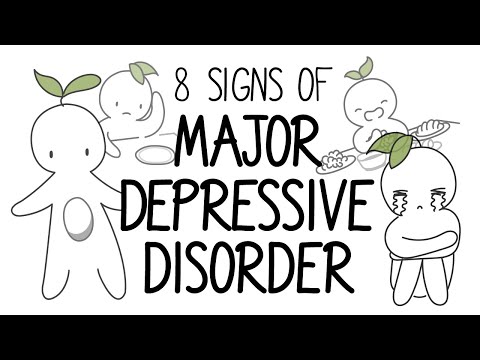
When it comes to identifying symptoms, providers often refer to the DSM-5 (Diagnostic and Statistical Manual of Mental Disorders). This guide outlines criteria for diagnosing depression, which include:
- Feeling sad or empty most of the day.
- Losing interest or pleasure in most activities.
- Changes in appetite—either eating too much or too little.
- Sleeping too much or struggling with insomnia.
- Fatigue or loss of energy.
- Feelings of worthlessness or excessive guilt.
- Difficulties concentrating or making decisions.
Seriously, it’s like a checklist that covers what many people might experience when they’re dealing with depression.
Now, let’s talk about scoring these tests. Generally, higher scores on self-report questionnaires suggest more severe symptoms. This isn’t always cut-and-dried though; different people experience depression differently. So, even if someone doesn’t tick off every box, they could still be dealing with significant challenges.
It’s also worth mentioning that there can be cultural factors affecting how people respond to these tests. What feels “normal” in one culture could look totally different in another. This makes context super important when interpreting results.
Often after testing, professionals use the results as part of a broader assessment that includes medical history and other health evaluations. It’s not just about numbers—it’s about understanding you as a whole person.
In short, understanding depression tests doesn’t just mean knowing what kind of questions will pop up; it involves recognizing how these tools fit into addressing mental wellness overall. So if you find yourself taking one of these tests someday—or if someone close to you does—just remember it’s all part of piecing together a larger picture of mental health!
Exploring the Four Major Causes of Depression: Key Factors to Understand
Depression can feel like a thick fog rolling in, obscuring everything you love and enjoy. Understanding what causes it can help, even if it doesn’t take the heaviness away right away. There are **four major causes** of depression that many experts point to. Each of these factors weaves into the tapestry of your mental health, creating a picture that’s unique to you.
1. Biological Factors: These are often tied to your body and brain chemistry. Some people might have a genetic predisposition to depression, meaning it runs in families. If a close family member has struggled with it, there’s a chance you might too. Also, chemical imbalances in the brain can play a huge role. For instance, neurotransmitters like serotonin and dopamine affect mood and emotions. Think about how after pulling an all-nighter or when you’re sick, your mood can feel low—that’s partly due to biological changes.
2. Psychological Factors: Your thoughts and feelings are big players here! Constant negative thinking patterns or low self-esteem can keep the depression cycle going strong. If you’re someone who tends to be overly critical of yourself or feels hopeless about situations, this might be part of your experience with depression. Personal history also matters; past trauma or abuse can leave lasting emotional scars that manifest later in life as depression.
3. Environmental Factors: This is about your surroundings and life experiences. Stressful events—like losing a job or going through a breakup—can trigger depressive episodes for some folks. But it’s not just big events; ongoing stress from work, family issues, or financial problems also contributes significantly to feelings of despair and hopelessness.
4. Social Factors: Humans are social creatures! Isolation or lack of support can really take a toll on mental health. If you’ve got friends who don’t understand what you’re going through—or worse, if you feel like you’re all alone—it’s tough to climb out of that pit of sadness. Connections with others matter greatly; they often provide comfort during hard times.
Understanding these causes is just one piece of the puzzle though! It’s not always clear-cut; sometimes they overlap and interact in ways that are complex but also totally normal for people dealing with depression.
Life is layered with experiences both good and bad—some trigger feelings that outweigh the good stuff sometimes, leading us down challenging paths we didn’t see coming! Addressing how these factors play into one’s personal journey through depression can help illuminate steps towards feeling better—even if only just a little bit at first.
You know, depression can be a real sneaky thing. Sometimes it creeps up on you slowly, and before you know it, it’s like a dark cloud hanging over your head. People often think of classic signs like feeling sad or hopeless, but there’s so much more going on beneath the surface.
For instance, fatigue is a huge one. Imagine waking up and feeling like you’ve run a marathon in your sleep—exhausted without even knowing why. Your brain feels foggy, decisions become hard to make, and you just can’t seem to shake that worn-out feeling. It’s not just about being sleepy; it’s more of an emotional and mental drain.
Also, then there’s this weird disconnect with things you used to enjoy. I remember my friend Sarah loved painting; she’d lose herself in it for hours. But during her rough patches, she’d stare at her brushes and canvases like they were from another planet. It’s heartbreaking when the things that brought joy suddenly feel dull or pointless.
And let’s not forget sleep issues! Some folks find themselves tossing and turning all night long—even if they’re dead tired. They scroll through their phones instead of catching Z’s because their minds just won’t shut off. On the flip side, others might sleep way too much as a way to escape what they’re feeling.
Another sign I find really fascinating is irritability. You might think you’re just having a bad day—snapping at people over little things—but sometimes it’s that underlying sadness bubbling up to the surface in frustrating ways.
Then there are physical symptoms too—like aches and pains that don’t seem to have any medical explanation. It’s incredible how our mental health can manifest in such tangible ways!
All these signs highlight how complex depression really is; it’s like this multifaceted puzzle where every piece tells its own story but also connects to the bigger picture. Recognizing these symptoms can be tough since they often overlap with other feelings we have in our day-to-day lives.
So yeah, when we talk about depression, we should definitely dig deeper than just those obvious signs of sadness or lack of interest in life—it’s about understanding how it sneaks into different aspects of who we are and how we feel physically and emotionally every single day.