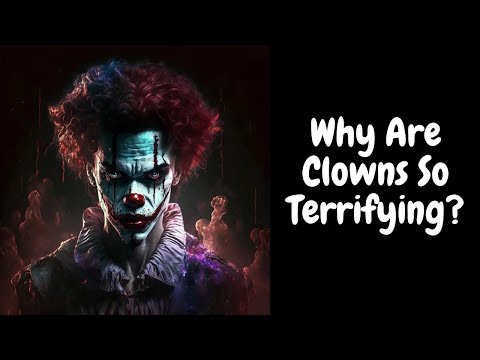
Clown phobia, or coulrophobia, sounds wild, right? But it’s a real thing. You ever see someone freeze up at the mere sight of a clown? It’s kinda intense!
So, what’s behind this fear? Is it the makeup? The big shoes? Or maybe it’s just the creepy grin they can’t shake off. Seriously, there’s more to this than just a silly fear.
People have some intense feelings about clowns. We’re talking nightmares, panic attacks—like, whoa! Let’s unpack this whole thing together. You ready to dive in?
Understanding the Psychology of Coulrophobia: Unraveling the Fear of Clowns
Coulrophobia is the fancy term for a pretty common fear: the fear of clowns. And let me tell you, it’s no joke! Many people find themselves creeped out by those big shoes and painted faces. It’s kind of wild when you think about it, right? Clowns are supposed to be fun and entertaining, but for some folks, they’re just downright terrifying.
So why exactly do people fear clowns? To get into that, let’s unpack a few points:
- The Uncanny Valley: This concept explains how we feel uneasy when something looks almost human but not quite right. A clown’s exaggerated features—like giant smiles and wild wigs—hit that uncanny note. It can trigger discomfort because they remind us of humans but twist them in a way that’s unsettling.
- Childhood Experiences: Sometimes, fears stem from early memories. If a kid has a bad experience with a clown—maybe one at a birthday party who wasn’t as friendly as expected—that might stick with them. Those memories can haunt someone long into adulthood!
- Media Influence: Movies and TV shows have definitely ramped up the fear factor when it comes to clowns. Think of Pennywise from «It.» That character has made many rethink their fondness for circus performers. It’s like being fed scary stories that latch onto your mind.
- Sensory Overload: Clowns often blend bright colors, loud noises, and unpredictable actions—all at once! For some people, this sensory overload can be overwhelming and trigger anxiety. You know how too much noise can make you nervous? Imagine mixing that with something you’re already terrified of!
The path to facing coulrophobia isn’t easy for everyone. Picture someone who wants to enjoy a carnival but freezes at the sight of a clown ballooning up right in front of them; it’s tough! Fear isn’t rational; it grips you emotionally rather than logically.
If you’re curious about coping strategies or what helps someone manage these fears—well, exposure therapy often pops up as an effective method over time. Basically, it involves gradually facing that fear in controlled settings until it feels less intimidating.
What’s fascinating is how these phobias can affect so many aspects of life—from avoiding parties to steering clear of circuses or even movies featuring clowns. So if you know someone who’s had a rough time with clowns, understanding their fears can go a long way! Everyone deserves compassion when dealing with what scares them!
Coulrophobia teaches us about personal experiences and collective culture shaping our fears—and maybe gives us insight into how we handle other phobias too. Being scared is totally normal; it’s just part of being human!
Understanding Coulrophilia: Exploring the Fascination with Clowns and Its Psychological Implications
Coulrophilia might sound like a fancy term, but it’s basically a fascination or attraction to clowns. It’s interesting, right? While many people are scared of clowns—thanks to movies like «It» or just the weird makeup and off-kilter antics—some feel an intense pull toward them. So, what’s going on in that curious mind of yours if you’re drawn to these jolly jesters?
To understand this, we can look at a few key points:
- Childhood Associations: Clowns often represent joy and innocence from childhood. If you had positive experiences with clowns at birthday parties or circuses, that nostalgia might stick with you.
- Escapism: The clown persona can be an escape from reality. Their exaggerated actions and silly jokes allow people to forget their worries for a bit.
- Theatricality and Artistry: For some, it’s all about the performance aspect. Clowning is a unique art form involving slapstick humor, physical comedy, and creativity that can be super appealing.
- Mystery and Paradox: Clowns are often seen as both funny and sad at the same time. This duality makes them intriguing—there’s a depth there that some people find fascinating.
Now, let’s talk about the psychological implications of this fascination. People who identify with coulrophilia may experience their love for clowns in ways that shape their emotional landscape.
Think about how **coulrophilia** might connect to feelings of acceptance. For someone who feels different or out of place, clowns offer a way to celebrate uniqueness. They dress differently; they act outlandish—they embrace being outsiders while making others laugh.
On the flip side, it’s essential not to overlook how this interest can sometimes border on obsession. If someone finds themselves constantly drawn to clown-related culture or events—think clown conventions or intricate clown art—they may need to consider where this fascination is taking them emotionally.
If you’re ever felt both thrilled and terrified by something as whimsical as a clown at a party or in a movie, know you’re not alone! Emotions around clowns fluctuate between delight and fear for many people; it’s kind of like riding an emotional rollercoaster.
In short, coulrophilia is more than just liking clowns; it’s wrapped up in our feelings about joy, nostalgia, uniqueness—and even our fears! It takes us into the quirky world where laughter meets introspection. So next time you see a clown—whether it sparks joy or dread—remember there’s likely more bubbling under the surface!
Understanding Coulrophobia: Causes, Symptoms, and Effective Treatments for Fear of Clowns
Coulrophobia, the fear of clowns, might seem a bit strange to some. But hey, fear is a funny thing. It’s deeply personal and often makes little sense. Understanding this phobia means digging into its causes, symptoms, and ways to tackle it.
Causes of Coulrophobia
So, what’s behind this fear? There are several reasons people might develop coulrophobia:
Symptoms of Coulrophobia
If you’re afraid of clowns, how do you know it’s really coulrophobia? Here are some common symptoms:
It’s no walk in the park; facing these feelings can be really tough.
Treatments for Coulrophobia
If you or someone you know is grappling with this phobia, there are ways to deal with it. Here are some options that have been effective:
In summary, coulrophobia is a real struggle for many folks out there. Its roots run deep in personal experiences and societal influences. Yet with understanding and the right strategies—like therapy—you can begin working through that fear and reclaiming joy where there was once dread!
Clown phobia, or coulrophobia as it’s fancy called, is one of those fears that seems kinda strange at first. I mean, clowns are supposed to be funny, right? But let’s be real for a second: their bright colors, goofy faces, and exaggerated behaviors can easily turn into something unsettling.
I remember going to this birthday party once when I was a kid, and there was a clown doing balloon animals. Everyone was laughing and having a blast, but I just sat there frozen. The way he smiled—almost too wide—felt more creepy than comforting to me. You know what I mean? That mix of laughter and fear is super common.
So what’s the deal with clown phobia? Well, it often roots in deeper fears of the unknown or being unable to read someone’s intentions. Clowns hide their real faces behind makeup, which can make them feel unpredictable or even threatening. For folks who struggle with anxiety or have had past negative experiences tied to clowns or similar characters, it might trigger that fight-or-flight response like you wouldn’t believe.
The effects? They can run pretty deep. For some people, encountering a clown might cause panic attacks or just really uncomfortable feelings—they might avoid circuses altogether! Others could find themselves feeling judged if they admit this fear because let’s face it: it sounds silly on paper. But no fear is truly silly when it’s yours.
Being open about these feelings can help break down the stigma around them. It’s completely okay to feel uneasy about something that seems harmless on the surface; it doesn’t make you less brave for acknowledging what freaks you out. So yeah, whether you’re just not a fan of face paint or if clowns give you nightmares, diving into that discomfort can help you understand yourself better—and who knows? Maybe one day you’ll laugh at those painted faces instead!