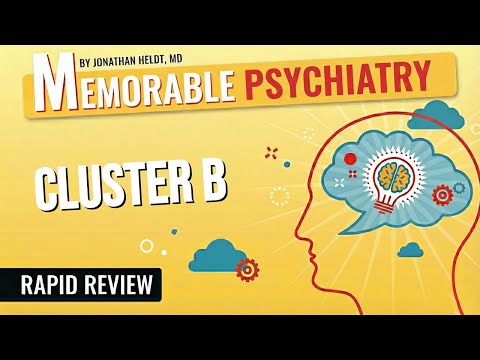
Alright, so, let’s chat about Cluster B personality disorders. They’re a bit of a wild ride—full of drama, emotions, and some really complex behaviors. You might know someone who fits the bill or maybe you’ve just seen it in movies.
These disorders include things like borderline, narcissistic, histrionic, and antisocial personality disorders. Each one has its quirks and challenges. And honestly? It can be super confusing trying to figure out what’s going on in someone’s head when they act out or react strongly.
There’s this idea that people with these disorders are like characters straight outta a novel—intense, unpredictable. But behind that is a lot of human stuff happening. I mean, we all have our chaotic moments, right?
So let’s dig in! Understanding these personalities can help us recognize those patterns—you know, in ourselves and others—so we can navigate relationships just a little better. Sound good?
Understanding Cluster C Personality Disorders: Symptoms, Causes, and Treatment Options
Alright, let’s talk about Cluster C Personality Disorders. These are basically a group of mental health conditions where people tend to feel anxious or fearful. It’s kinda like living your life on the edge of a nervous breakdown, you know? They usually include Avoidant Personality Disorder, Dependent Personality Disorder, and Obsessive-Compulsive Personality Disorder. Each has its own quirks and traits, and it’s important to understand them.
The first one, Avoidant Personality Disorder, is where a person often feels so anxious about being judged or rejected that they avoid social interactions altogether. Imagine sitting at home while everyone else is out having a blast because you’re too worried they won’t like you. It’s tough! Symptoms include:
- Extreme shyness or anxiety in social situations.
- A deep fear of criticism or rejection.
- Tendency to see oneself as inferior to others.
Dependent Personality Disorder is another ballgame. Here, people may feel helpless without someone else around. If you’ve ever felt like you can’t make decisions without asking someone else first—and not just for major things—you might get where these folks are coming from. Symptoms typically involve:
- A constant need for reassurance from others.
- Difficulties in making decisions without advice.
- Trouble saying no, even when it’s necessary.
Then we have the Obsessive-Compulsive Personality Disorder, which is different from OCD (that’s all about unwanted thoughts and compulsive actions). People with this disorder can be excessively focused on orderliness and perfectionism. They might spend way too much time organizing their lives down to the tiniest detail. Symptoms include:
- A preoccupation with rules, orderliness, and schedules.
- An inability to delegate tasks to others.
- Overthinking things that seem minor to most people.
Now, let’s chat about what causes these disorders. There’s not just one reason—it can be a mix of factors. Genetics might play a role since sometimes these characteristics can run in families. Early experiences—like childhood trauma or overprotective parenting—can also shape how someone develops these traits over time. If you grew up feeling overly controlled or stuck in rigid environments, that could set the stage for avoiding relationships later on.
Treatment options are available if someone wants help managing these personality disorders! Talk therapy is often key here, guiding individuals toward understanding their patterns and feelings more clearly. Therapists can help them develop healthier coping strategies and improve social skills. Sometimes medications like antidepressants may also be used alongside therapy if anxiety is particularly overwhelming.
You know, it takes time and patience—kind of like growing a plant! A little nurturing goes a long way in personal growth too. So if someone finds themselves confused by their emotions or feels stuck in patterns they can’t shake off, reaching out for support can be really helpful!
If you’ve got questions about any specific symptoms or situations regarding these personality disorders—or even want to share personal experiences—feel free! It’s important we chat about mental health openly!
Understanding Cluster A Personality Disorders: Symptoms, Diagnosis, and Treatment Options
So, you might have heard of Cluster A personality disorders. They’re kind of a big deal in the world of psychology because they represent a group of disorders that are characterized by odd or eccentric behaviors. The three main types in this cluster include Paranoid Personality Disorder, Schizoid Personality Disorder, and Schizotypal Personality Disorder. Let’s break these down.
Paranoid Personality Disorder: Picture someone who tends to be super suspicious of others all the time. They might think that people are plotting against them or trying to deceive them, even when there’s no evidence. It’s not just being cautious; it’s like they have their guard up constantly. Relationships can suffer because these folks often misinterpret harmless actions as hostile.
Schizoid Personality Disorder: Now, this one is a bit different. Imagine someone who prefers solitude over socializing, not because they’re shy but because they genuinely don’t enjoy close relationships with others. They might come off as aloof or detached, and that’s just how they are wired! Think about that friend who hardly ever texts back or shows up to hangouts—it’s not personal for them; it’s just their nature.
Schizotypal Personality Disorder: This disorder brings in some quirks! People here might have really odd beliefs or magical thinking—like believing they can predict the future. Social interactions can feel super uncomfortable for them too, so it creates a bit of an isolation bubble. They may dress in an unconventional way or talk in ways that others find confusing.
Now you might be wondering how these disorders get diagnosed. Well, physicians usually look at the symptoms which can vary from person to person but tend to stick within specific ranges for each disorder characteristically.
- If someone has strong suspicion and distrust without much evidence, it could point towards Paranoid Personality Disorder.
- A person who seems indifferent about friendships and prefers solitary activities may fit into Schizoid Personality Disorder.
- If there’s strange behavior coupled with discomfort in relationships, it could suggest Schizotypal Personality Disorder.
Diagnosis usually takes some time and includes thorough interviews and assessments by mental health professionals who look into personal history and behavior patterns.
Now onto treatments—this part is often tricky! Therapy tends to be the go-to option:
- Cognitive Behavioral Therapy (CBT): This helps people identify distorted thinking patterns and change unhelpful behaviors—very useful for those dealing with paranoia or social issues.
- Supportive Therapy: Encourages individuals to talk openly about their feelings without judgment. Building trust is key here!
- Medications: Sometimes medications like antidepressants can help with anxiety or mood issues related to these disorders—but meds aren’t always prescribed specifically for personality disorders themselves.
The thing is, treatment isn’t one-size-fits-all. What works for one person may not work for another due to the unique nature of these disorders. It’s all about finding what feels right!
You know what’s interesting? With awareness about Cluster A disorders growing, more people are beginning to understand what folks with these challenges experience. The key takeaway is that even though it may seem bizarre from outside looking in, there’s always more beneath the surface—a story worth hearing!
To wrap it up: Cluster A personality disorders encompass some peculiar traits revolving around odd behaviors and thoughts that sometimes lead to misunderstandings in relationships. Awareness combined with appropriate treatment options can pave the way towards better coping strategies for those affected!
Understanding Cluster B Personality Traits: Distinguishing Between Traits and Disorders
Understanding Cluster B personality traits can feel a bit overwhelming, but it’s really just about figuring out how certain traits show up in our behavior and how they differ from actual disorders. So, let’s break it down!
Cluster B personality traits are known for being dramatic, emotional, and erratic. They include traits that might feel intense or unpredictable. People often associate these traits with four specific disorders: **Antisocial Personality Disorder**, **Borderline Personality Disorder**, **Histrionic Personality Disorder**, and **Narcissistic Personality Disorder**.
You know how sometimes you might meet someone who just seems to thrive on drama? That could be a trait associated with Cluster B! But it’s not always cut and dry. Here’s where it gets tricky: someone can exhibit some of these traits without having a full-blown disorder.
Take the trait of emotional instability, which is often linked to Borderline Personality Disorder. You might feel high one moment and low the next, constantly riding an emotional rollercoaster. But if this happens occasionally due to stress or life changes, that doesn’t automatically mean you have the disorder.
Another biggie in this cluster is manipulativeness. Some individuals may use charm or deceit to get their way; this is often seen in Narcissistic Personality Disorder. But there are many shades of gray here! It could simply be someone trying to navigate social situations with less-than-great strategies.
When we look at histrionic traits, think about people who constantly seek attention or approval through exaggerated emotions. Not everyone who loves being the life of the party has Histrionic Personality Disorder; it might just be their personality shining through in social settings.
Now let’s talk about antisocial behavior. This doesn’t just mean a person is introverted or has trouble making friends. Antisocial Personality Disorder involves patterns of disregard for others’ rights, but not every person who’s a little standoffish is antisocial!
It’s important to understand these traits exist on a spectrum. Some individuals may embody several qualities related to Cluster B but don’t meet the criteria for a full-blown disorder. In fact, many folks can show some level of these traits while functioning well in everyday life.
Another key point is that cultural factors play a role too! Different cultures have various ways of expressing emotion and behaviors. If you’re in an environment where dramatic expression is more normalized, it might influence whether certain behaviors are seen as problematic.
In short, recognizing these clusters and their nuances helps us understand human behavior better. Rather than jumping straight into labeling someone with a disorder based on certain traits, consider context! Situations matter—a lot.
So yeah, understanding Cluster B isn’t just about checking boxes; it’s about seeing the full picture! You can appreciate how complex we humans really are—even without crossing into clinical territory!
Cluster B personality disorders are, you know, like a group of mental health conditions that can really shake things up in a person’s life and in their relationships with others. These disorders include borderline, narcissistic, histrionic, and antisocial personality disorders. Each one has its own flavor of challenges, but they all share a common thread: they often involve intense emotional experiences and difficulty in managing relationships.
I remember this one time I had a friend who was super charismatic but also incredibly unpredictable. One minute they’d be the life of the party, telling stories that left everyone captivated. The next minute? They were off in a corner, upset because someone looked at them the wrong way. Looking back now, I wonder if they might have been wrestling with something from this Cluster B world.
Borderline personality disorder is particularly intriguing yet challenging. People with it might experience extreme swings in their self-image and moods. They can feel really connected to someone one moment but then suddenly fear abandonment the next. It’s like riding an emotional rollercoaster without a seatbelt. You can see how that could strain friendships or romantic relationships.
Then there’s narcissistic personality disorder, which often gets misinterpreted as just being vain or self-centered. But there’s so much more to it! People who struggle with this may seek admiration but often do so from a place of deep insecurity. It’s not all flashy selfies; it comes from an internal struggle that many don’t even realize they’re having.
Histrionic personality disorder adds another layer with its focus on attention-seeking behaviors—think overly dramatic reactions or needing to be the center of attention all the time. But beyond those eye-catching antics lies an intense fear of being ignored or rejected.
And let’s not forget antisocial personality disorder! This one involves patterns of disregard for others’ feelings and often leads to manipulative behaviors or even criminal activity in extreme cases. It’s like they live in their own universe where empathy plays no role whatsoever.
Understanding these disorders isn’t about putting people into boxes; it’s about humanizing their struggles and recognizing what influences their behavior patterns and interactions with others. While these terms can sound clinical or heavy-handed, at their core they’re about real people dealing with very real challenges.
So yeah, diving into Cluster B personality disorders opens up a complex conversation about emotions and how we relate to each other—because ultimately, we’re all just trying to figure out how we fit into this crazy world together.