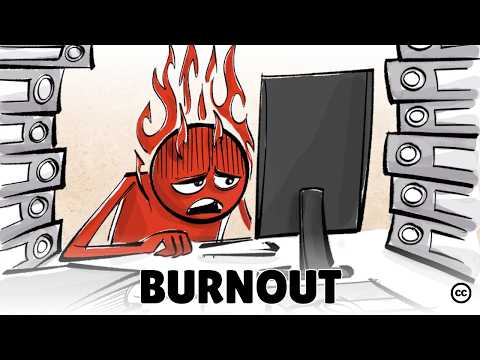
Hey there! You know that feeling when you’re just totally fried? Like, your brain feels like it’s running on empty? That’s CNS burnout for you. It’s like your central nervous system waves a white flag and says, “I’m done!”
So many of us hit that wall. Work stress, emotional overload, life drama—it all adds up. And honestly, it can feel overwhelming. You might be thinking, “How do I bounce back from this?”
Well, let me tell you, recovery is possible! There are some pretty cool psychological tricks and strategies to help you out. It’s not about quick fixes; it’s more like a gentle guide to finding your groove again. Ready to explore this together?
Effective Strategies for Recovering from Nervous System Burnout: A Comprehensive Guide
Nervous System Burnout can feel like you’re hitting a wall. You know, that moment when everything feels too much, and even getting out of bed seems like a monumental task. It’s basically when your body’s signals are screaming for help after constant stress. Let’s unpack some strategies to help you recover without getting overwhelmed.
First off, **recognize the signs**. Feeling constantly tired? Irritable? Maybe you can’t focus on anything? These can all be clues you’re in burnout mode. Being aware is the first step towards recovery.
Next up is restoration. This isn’t just about sleep; it’s about taking time for **yourself**. This could mean napping or simply chilling out with a good book or music that makes your heart sing. Just imagine sinking into your couch, feeling the weight lift as you dive into your favorite novel while sipping on tea—pure bliss!
Practicing mindfulness is another powerful tool. It’s about being present in the moment. Try focusing on your breath for a few minutes every day. You could even do this while waiting in line or during a bus ride. Just take deep breaths and let all those to-do lists float away, like clouds in the sky.
Now, let’s talk about *movement*. And I don’t mean hitting the gym like an athlete! Simple activities like walking around the block or stretching at home can work wonders for your nervous system. Even a little dance party in your living room could shake off that heaviness!
Healthy eating plays a huge role too! Seriously, what you put into your body affects how you feel emotionally and physically. Think of nourishing meals as fuel instead of just “food.” You don’t have to go full-on gourmet chef; think more along the lines of colorful vegetables and whole foods that make you feel good inside.
Don’t forget social support. Connecting with friends or family can lighten that emotional load and give you perspective on things that seem overwhelming. Picture calling up that friend who always knows how to make you laugh—such a lift!
Also, consider setting some boudaries. It’s okay to say “no” sometimes! Protecting your energy is essential during recovery time. Only commit to things you genuinely want or need to do.
Consider engaging with nature. Spending time outside can be incredibly rejuvenating for both body and mind. A simple walk in the park can clear those cobwebs and give your nervous system a much-needed reset.
And lastly—don’t rush it! Recovery isn’t linear; it takes time to heal from burnout fully, so be patient with yourself and celebrate small victories along the way.
Incorporating these strategies gradually might help shift things back toward feeling more balanced again. You’re not alone in this journey; many are out there figuring it all out together too!
Understanding the 5 C’s of Burnout: Key Factors and Effective Strategies
Burnout is like that heavy backpack you just can’t shake off. You might feel exhausted, detached, and even a bit cynical about everything. So, let’s break down the 5 C’s of burnout, which are key factors that play a role in this feeling. These’ll help you understand what’s going on when life feels like a never-ending treadmill.
1. Control: Feeling like you have no say in your life contributes heavily to burnout. When decisions are taken away from you—maybe at work or even at home—it can lead to frustration and helplessness. It’s like being stuck in traffic with no way out. Finding ways to regain control, whether through small decisions or conversations, can make a big difference.
2. Commitment: This one is tricky. Being deeply committed to something is usually great! But if that commitment turns into an overload of responsibility without recognition or reward, it can backfire. Imagine working late nights for months on a project that goes unnoticed—it’s disheartening! Reflecting on your commitments and possibly scaling back could lighten the load.
3. Community: We’re social creatures, right? A supportive community is crucial for maintaining mental health and warding off burnout. If you’re surrounded by negative energy or lack social support, it’s tough to recharge emotionally. It helps to connect with friends or join groups where you feel valued and understood—sometimes sharing a laugh really works wonders!
4. Challenge: Here’s the thing: too much challenge can wear you down, but too little challenge might lead to boredom; both end up contributing to feelings of burnout! For example, if you’re working in a job that’s too easy or mind-numbing, it might not stimulate you enough which leads to disengagement over time. Finding the right balance of challenges could keep things fresh and interesting.
5. Confidence: If self-doubt creeps in and starts undermining your confidence—watch out! Feeling unqualified or incapable adds stress and fuels burnout further. This often happens when you’re constantly comparing yourself with others or facing unrealistic expectations from yourself or others (hello Instagram!). Building self-compassion and recognizing your achievements—even the small ones—could help boost your confidence back up.
Now that we’ve explored these 5 C’s, let’s chat about some strategies for coping with this burnout situation:
- Set Boundaries: Know when to say ‘no.’ Overcommitting often leads directly into that exhausting spiral.
- Practice Self-Care: This isn’t just bubble baths; get enough sleep, eat well—basic stuff can do wonders!
- Pursue Hobbies: Engaging in activities outside work helps recharge those batteries.
- Talk It Out: Sometimes just voicing your feelings can lessen the burden; consider reaching out to someone who gets it.
- Mindfulness: Simple practices like meditation can ground you and bring peace amid chaos.
Just remember: understanding these factors isn’t just for knowledge’s sake; it’s about recognizing what parts of your life need a little TLC! Burnout can feel isolating but knowing the signs and addressing them could really smooth things out for you moving forward.
Effective Strategies for Rapid Burnout Recovery: A Legal Perspective
So burnout, huh? It’s that feeling when you’re totally drained, both physically and mentally. It’s like your battery is stuck on empty even after a good night’s sleep. If you’ve ever felt this way, especially in a work setting, you know how tough it can be to bounce back. Now, let’s chat about some effective strategies for rapid recovery from burnout—without getting too technical or legalistic.
Recognize the Symptoms
First things first, you’ve gotta recognize when you’re hitting burnout. It’s not just about being tired; it can show up as irritability, lack of motivation, and feeling detached from your work or loved ones. You know that moment when you’re staring at your screen and can’t even focus on the task at hand? That’s a clue!
Set Clear Boundaries
Next up? Setting boundaries! Seriously, saying “no” isn’t a bad thing. If you’re constantly overcommitting yourself, you’ll just end up running on fumes. Imagine being invited to every single gathering or project at work—it’s exhausting! Declining some invites can give you back precious time to recharge.
- Learn to Say No: Saying no sometimes is totally fine. It doesn’t make you less dedicated.
- Create Work-Life Balance: Try switching off your email after hours to keep work at bay.
Prioritize Self-Care
Now let’s talk self-care because it can feel so overlooked when life gets busy! You may think it’s just bubble baths and ice cream (which are great), but it’s more than that. It means taking time for activities that genuinely refill your tank—like going for a walk in nature or spending time with friends who lift your spirits.
Connect with Others
Also, don’t forget the power of connection! Talking about what you’re going through can be incredibly healing. You don’t have to do this alone; lean on friends or family. Sometimes sharing how burnt out you’re feeling makes it feel lighter–as if someone else is holding part of that burden.
- Seek Support: Find those people who get it and talk openly with them.
- Join Groups: Whether it’s online forums or local meet-ups, connecting with others facing similar challenges helps.
Acknowledge Your Feelings
You need to acknowledge what you’re feeling rather than brush it aside like an old receipt in your wallet. Burnout isn’t something you just power through; it’s serious stuff! Take a moment each day to check in with yourself and see how you’re really doing.
Create a Flexible Routine
Finally, consider creating a flexible routine that allows for spontaneous breaks—seriously! Rigid schedules can add pressure instead of relieving it. Maybe plan short breaks if possible during your workday to breathe deeply or stretch your legs.
Incorporating these strategies could make a significant difference in bouncing back from burnout faster than expected. Look out for yourself and take steps toward recovery—it’s cool to prioritize YOU for once!
Burnout can feel like this heavy blanket that just smothers you. I mean, you start off energized, right? Enthusiastic about your work or studies, and then out of nowhere, it hits. You suddenly feel drained—emotionally, physically, and mentally. It’s like running a marathon without training for it; the exhaustion creeps in before you even realize what’s happening.
So, how do you cope when life throws you into that burnout pit? Well, first things first: recognize what’s going on. Acknowledge those feelings of overwhelm and fatigue. It’s super easy to brush them aside or push through them because we’re all conditioned to hustle hard. But the thing is? Ignoring burnout only digs a deeper hole for yourself.
One thing that really helps is simple self-care. And I don’t mean bubble baths and face masks (though hey, those don’t hurt!). I’m talking about getting enough sleep. Seriously—rest is like plugging your phone back in when it’s low on battery. If you’re constantly running on empty, nothing’s gonna work right.
Next up is connecting with people who get it. This could be friends or family who understand what you’re going through. Sometimes just talking about your feelings can lighten that load a bit—even if they can’t physically fix things for you. There was this one time I got really burned out during exam season and just chatting with my roommate turned my whole week around! It felt good to know I wasn’t alone in the struggle.
Another strategy to consider is setting clear boundaries—especially if you’re always saying “yes” to everything! Maybe try switching it up to “let me think about that” before jumping in headfirst again.
And here’s one more thought: find activities that help you recharge your mental batteries. This might be reading a book, taking long walks in nature or even picking up a hobby like painting or gardening! Remember when was the last time you did something purely for fun? Sometimes just doing something enjoyable can be rejuvenating!
It’s okay to take time for yourself without feeling guilty about it! Recovery from burnout isn’t just this quick fix; it’s a gradual process filled with ups and downs. Just approach each day with kindness towards yourself—you deserve it!