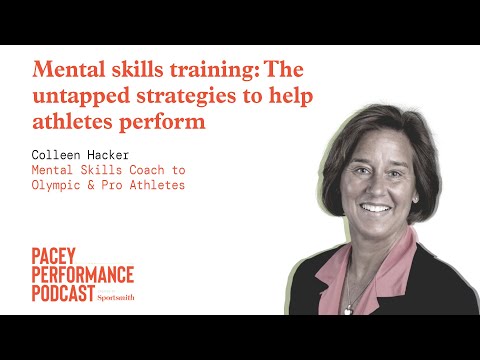
You know that feeling when you’re just in the zone? Everything clicks, and you feel unstoppable. It’s amazing, right? But sometimes, getting there can feel like a total battle.
So, what if I told you there are some pretty cool psychological strategies that could help? Yeah, seriously! These aren’t just fancy terms from textbooks. They’re real techniques you can use to boost your performance in anything—sports, work, or even just everyday life.
Imagine unlocking that potential you know is hiding somewhere inside. That’s what this is all about! Let’s chat about how your mind can be your best friend on this journey to peak performance. Excited? I know I am!
Unlocking Potential: Psychological Strategies to Enhance Performance in Legal Practices
The legal world can be intense, no doubt about it. Lawyers face pressure from clients, courts, and themselves, often juggling tight deadlines and hefty caseloads. It’s like a mental marathon sometimes. So, unlocking potential through psychological strategies can really make a difference in performance.
First off, let’s talk about mindfulness. This is all about being present and fully engaged in whatever you’re doing. When you practice mindfulness, it can help reduce stress and enhance focus. Picture this: you’re in the middle of a crucial trial, but your mind is racing with a million thoughts. Taking a moment to breathe and ground yourself helps quiet those distractions. This boosts your ability to think clearly.
Another key strategy is goal setting. You know how satisfying it feels to cross something off your to-do list? That’s kind of what setting clear goals does for you. They give direction and motivation. Instead of just saying “I want to win more cases,” try breaking it down into specific steps, like “I will research five winning strategies from past cases this week.” This way, you have tangible milestones to work towards.
Also important is self-talk. It might sound silly at first—talking to yourself—but hear me out! The way you speak to yourself influences your confidence and overall mindset. If you find yourself saying things like “I’ll never win this case,” flip that script! Try instead: “I’ve prepared well; I can do this.” Seriously, positive self-talk reinforces belief in your abilities.
Now let’s touch on visualization. Have you ever noticed athletes imagining themselves scoring the winning goal? Lawyers can do the same! Visualizing success before stepping into that courtroom can set the tone for your performance. Spend a few minutes picturing yourself delivering that compelling argument or handling unexpected questions like a pro.
And let’s not forget about taking breaks! Yep—taking time away from work isn’t slacking off; it’s essential for maintaining peak performance. When you step back for just a bit, your brain gets refreshed and ready for more problem-solving when you come back to it.
Lastly, consider building a support network. Surrounding yourself with encouraging colleagues or mentors makes a huge difference during tough times. Just having someone to vent frustrations with or bounce ideas off can relieve stress and lead to creative solutions.
So there ya go! These psychological strategies are not just fluff; they’re practical ways of enhancing performance in legal practices—and making the journey feel less overwhelming too!
Effective Psychological Strategies to Boost Performance Coaching: Downloadable PDF Guide
When you’re looking to boost performance coaching, tapping into some effective psychological strategies can really turn the tide. It’s all about creating the right mindset and using techniques that encourage growth and resilience.
First off, let’s talk about goal setting. This is super important! Coaches and athletes alike should set specific, measurable, attainable, relevant, and time-bound (SMART) goals. Why? Well, having clear goals gives you a roadmap to follow. For example, instead of just saying «I want to run faster,» you could say «I want to improve my 5K time by 2 minutes in the next three months.» You see how that’s way more motivating?
Another key strategy is self-talk. What goes on in your head can seriously affect your performance. Positive self-talk encourages confidence. Imagine you’re on the field feeling nervous before a big game; telling yourself “I’ve trained hard for this” can shift your mindset from anxiety to empowerment. Coaches can help athletes develop positive affirmations that resonate with them.
Visualization is also a biggie. Picture this: you close your eyes and visualize yourself nailing that perfect performance—every movement fluid and just right. This technique helps mentally prepare for actual tasks, making it easier when it’s “go time.” You might think it sounds a bit out there at first, but research backs up its effectiveness!
Your coaching approach should also include regular feedback sessions. Honest discussions about performance—not just critiques but also acknowledging achievements—helps build trust between coach and athlete. Knowing what they’re doing well is just as vital as identifying where improvement is needed.
The bottom line? Performance coaching isn’t just about physical training; it’s about nurturing mental strength too! All these psychological strategies work together like pieces of a puzzle, creating an effective framework for success.
If you’re looking into this more seriously, consider exploring resources like downloadable PDFs focused on these strategies—they can provide structured insights for both coaches and athletes!
Unlocking Athletic Potential: Essential Sports Psychology Techniques PDF Guide
Sure thing! Let’s talk about some psychological strategies that can really help athletes improve their performance. You know, it’s not just about physical training; your mind plays a huge role in how you play sports. Here’s a rundown of some essential techniques.
Visualization is one key technique. This is when athletes mentally picture themselves succeeding in their sport. Like, imagine you’re a runner. You close your eyes and see yourself crossing the finish line first, feeling strong and fast. This can boost confidence and prepare you mentally for competition.
Next up, goal setting. Having clear, achievable goals can really sharpen your focus. You might want to set specific targets for each practice or game—like improving your free throw percentage if you’re playing basketball or increasing your sprint time in track. It’s all about giving yourself something concrete to aim for.
Another important strategy is self-talk. This involves what you say to yourself when you’re competing or training. Positive self-talk helps build confidence. Instead of thinking “I can’t do this,” try “I’ve trained for this!” It changes the whole vibe of how you approach challenges.
Then there’s routine development. Creating pre-performance routines helps athletes get into the right mental space before competition. Whether it’s stretching, listening to music, or doing breathing exercises—having a set routine can calm nerves and improve focus.
And let’s not forget about mindfulness and relaxation techniques. Practicing mindfulness means being present and tuned into what’s happening right now instead of worrying about past mistakes or future outcomes. Simple deep breathing can help reduce anxiety before big games or matches.
Also, staying aware of emotional regulation is crucial. Athletes often face high-pressure situations that can stir up all sorts of emotions—excitement, fear, frustration—you name it! Learning to manage these emotions can prevent them from interfering with performance.
Finally, consider the role of team dynamics. The atmosphere within a team affects individual performance too! Positive relationships and good communication foster collaboration and support, which is vital for achieving peak performance together.
So, there you have it! These psychological strategies are like tools in an athlete’s toolbox—helping them unlock their full potential on the field or court will make a difference!
Alright, let’s talk about performance coaching and those psychological strategies that can really help you shine. You know, when you think of performance coaching, it often leans heavily on physical skills or technical abilities. But hey, the mental game can be just as crucial.
Imagine you’re gearing up for a big presentation at work. Your palms are sweaty, your heart’s racing—it’s like your brain is throwing a mini-party with anxiety in the spotlight. Trust me, we’ve all been there! In moments like these, a little psychological trickery can do wonders.
One effective strategy is visualization. Picture yourself giving that presentation flawlessly—nailing every point and getting all the nods and smiles from your coworkers. It might sound cheesy, but mentally rehearsing success helps your brain create pathways to actually achieve it. It’s like training your mind to come through for you when it counts.
Then there’s self-talk, which is super powerful too. You know those inner critics that pop up? They can be relentless! Instead of letting them take center stage, try flipping the script. Change “I can’t do this” to “I’ve got this.” It sounds simple but changing that narrative can really pump up your confidence levels.
Also, setting small goals can make a huge difference. If you break down what seems daunting into tiny steps, it’s way easier to handle. Say you’re training for a marathon: instead of focusing on 26 miles, think about the first mile or even just getting out the door! Each little win builds momentum and boosts your motivation.
But here’s the kicker—performance isn’t only about pushing limits; it’s also about recovery and managing stress. A great performer knows when to hit pause and recharge their batteries. Taking time for mindfulness or just chilling out helps clear clutter from your mind.
So yeah, mixing these psychological strategies into coaching isn’t just smart; it’s essential for helping people reach their full potential. Everyone has their battles with self-doubt or pressure—it’s part of being human! Embracing these techniques could be what turns those nerves into an amazing performance down the line.
In essence, tapping into these mental tools can create a solid foundation for anyone looking to level up their game—whether it’s in sports, work presentations—or honestly any challenge life throws at us!