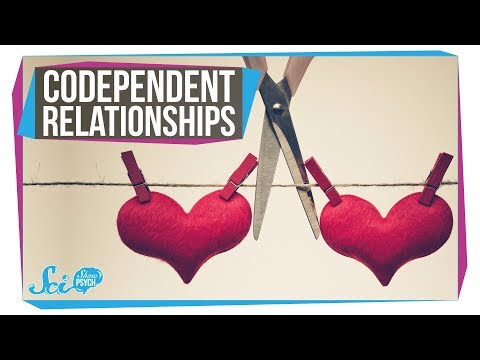
You know that feeling when you’re always putting someone else’s needs before your own? It’s like, you can’t help it. That’s codependency, and it can sneak up on you without even realizing it.
Imagine this: You’re at a party, and your friend is feeling down. You drop everything to cheer them up while neglecting your own emotions. Sound familiar?
Codependency isn’t just about being nice or caring; it runs deeper than that. It messes with how you see yourself and how you connect with others.
So, let’s break this down together and see what makes codependency tick. Trust me, it’s a wild ride!
Understanding Codependency in Relationships: Causes and Impacts
Codependency in relationships can really mess with how we connect to others. It’s that pattern where one person relies too heavily on the other for emotional support, approval, and even identity. You might think it’s just about being close, but it often goes deeper than that.
So what causes codependency? Well, a lot of it has to do with early experiences in life. If you grew up in a household where your needs were neglected or if you had to take care of someone else’s emotional issues, you might have learned to prioritize others over yourself. That can lead to a pretty skewed view of love and relationships.
Also, there’s this thing called low self-esteem. People who struggle with feeling good about themselves might depend on others to feel valuable or whole. It’s like they’re seeking validation through their partner or friends instead of finding it within.
- Fear of abandonment: Often, there’s a huge fear of being left alone. This fear can cause someone to cling too tightly to their partner, leading to unhealthy dynamics.
- Pleasing tendencies: Some people are just wired this way—they find comfort in making others happy, even if it means sacrificing their own happiness.
The impacts of codependency can be pretty serious. For one, they often lead to resentment. Think about it: when you’re giving so much but not getting your needs met? It makes you feel trapped and frustrated!
Your mental health can take a hit too. Anxiety and depression are common among those stuck in these patterns because they’re constantly worried about the relationship’s stability and often feel unfulfilled.
- Lack of personal growth: When you’re so focused on another person, you forget who you are! Like seriously, hobbies and interests? They might take a backseat.
- Crisis mode: Codependent individuals tend to be reactive rather than proactive. When things go wrong—like arguments or life changes—they may panic instead of addressing issues calmly.
A personal story comes to mind here: I once knew someone who was always there for their partner but felt like they were losing parts of themselves along the way—friends started noticing changes in them. They became less social and more withdrawn because they thought being supportive meant putting their own needs last. In the end, they had to make some tough choices about what their relationship looked like; it was eye-opening!
Bustling through life as a codependent can seem familiar at first; after all, caring for someone else feels good! But getting stuck isn’t fair either—to yourself or your partner. Recognizing codependent traits is the first step toward creating healthier relationships where both people thrive equally!
If you’re wondering how all this connects back to self-care… well that’s essential! It’s vital for keeping a balanced dynamic so that each person feels appreciated without losing themselves in the mix.
Understanding the Four M’s of Codependency: Key Concepts and Insights
Codependency can be a tricky thing to navigate in relationships. It’s like this dance where one person often puts their partner’s needs above their own, losing themselves in the process. Understanding the Four M’s of Codependency definitely sheds light on what’s going on in these dynamics.
- Mental Health: Codependency often stems from mental health issues, both past and present. Maybe you grew up in a household where love was conditional or someone struggled with addiction. This creates a skewed perspective on relationships, making you feel responsible for others’ happiness.
- Management: There’s this constant need to manage situations and emotions. Picture being at a party, and your friend starts drinking too much. Instead of enjoying yourself, you’re worried about how to keep them in check, right? That’s that management instinct kicking in—fixing problems instead of enjoying life.
- Mood Regulation: A key aspect here is mood regulation. You might find yourself feeling anxious if things aren’t going well for your partner. Their bad day becomes yours because you’re so attached to their emotional state that it overshadows your own feelings.
- Motivation: Lastly, motivation plays a huge role. Sometimes you might feel like you’re doing things out of love when really it’s about needing validation or fear of conflict. Like when you agree to go along with plans just to avoid disappointing someone else—sounds familiar?
Digging into these 4 M’s can really open your eyes to those patterns that keep popping up over and over again. It’s easy to lose sight of who you are when you’re so wrapped up in someone else’s needs and feelings.
Think about a time when friends noticed how stressed out you got over another person’s issues—maybe even ignoring your own needs completely! That sense of responsibility can be crushing, turning love into something that feels more like an obligation than something fulfilling.
By recognizing these four elements within your relationships, it can help clarify what healthy boundaries look like versus those sticky codependent behaviors that tend to blur the lines between love and sacrifice. So the next time you’re stuck trying to juggle someone’s needs with your own, remember: it’s totally okay to take care of yourself first!
Understanding Codependency: Can Both Partners in a Relationship Experience It?
Codependency is one of those buzzwords that gets tossed around a lot. But what does it really mean? Well, simply put, it’s when you balance your self-worth on your partner’s needs or emotions. You might feel like you need to save or take care of your partner, often at the expense of your own well-being. It’s not just one-sided either—both partners can totally experience it!
So, can both partners in a relationship be codependent? Absolutely! It often looks like this: one person becomes overly attached to the other’s feelings and problems, while the other might feel pressured to maintain their partner’s emotional stability. Sometimes they even feed off each other’s neediness.
Let me paint you a picture. Think about Sarah and Jake. Sarah always puts Jake’s needs first, even if it means sacrificing her own time and energy. Jake relies on Sarah for emotional support but also feels guilty for taking so much from her. They both end up trapped in this cycle where neither can thrive on their own.
- The Helper: One partner may take on the role of the caretaker, constantly putting their partner’s needs above theirs.
- The Dependent: The other might become reliant on the caretaker for validation and emotional support.
- Mutual Reinforcement: Their behaviors reinforce each other—Sarah feels valued by helping Jake, while Jake feels secure by leaning on Sarah.
This back-and-forth creates an unhealthy dynamic where neither person feels complete without the other. And that’s kind of a big issue because it can lead to resentment over time.
A key point here: Codependency is not just about being overly attached; it can also foster unhealthy patterns like manipulation and guilt-tripping. For instance, if Sarah starts feeling overwhelmed but doesn’t voice it because she thinks it’ll upset Jake, that’s a problem! Both partners are stuck in their roles without realizing how damaging that can be.
You see, codependency thrives on emotional imbalance. Individuals involved might struggle with establishing boundaries and communicating effectively. Let’s say Jake has a rough day at work; instead of using effective coping strategies or talking things through with someone else, he leans solely on Sarah for comfort—totally disregarding what she’s feeling herself!
If both partners want to change this dynamic—and they usually do—they’ve got some work ahead of them! They’ll need to unlearn those patterns and practice healthier communication. Acknowledge feelings openly without fear of judgment or guilt trips. Like instead of saying “I don’t want to upset you,” they could try “I feel overwhelmed right now.”
In short: codependency can totally involve both partners in different ways! A relationship doesn’t have to be unbalanced for one person to feel dependent; it often happens when both fail to nurture their individual selves outside the connection.
This doesn’t mean relationships can’t be supportive or close—it just requires awareness and effort from both sides! You want your partnership to empower you both as individuals rather than tie each other down in emotional knots.
So, codependency is one of those things that can really mess with our relationships, huh? I mean, it’s like this dance where one person feels the need to take care of another, and then the other feels super reliant on them. It’s complicated, but let’s break it down a bit.
You know when you’ve got that friend who always seems to put everyone else’s needs before their own? Maybe they’re constantly bailing someone out of trouble or just bending over backward to keep the peace. It’s kind of sweet at first, but after a while, you start wondering if they’re losing themselves in the process. Like my buddy Alex, who was always there for his girlfriend—helping her with her work problems and being her emotional support. But then one day he realized he’d skipped his own birthday party to cater to her latest crisis. Yikes!
The thing about codependency is it often stems from deeper issues like low self-esteem or fear of abandonment. When you think about it, if you feel like you need someone else to fill a void in your life or define your worth, you’ll probably end up sacrificing a lot—maybe too much. It’s like building your whole identity around someone else’s happiness; that can be both draining and risky.
And here’s where it gets sticky: sometimes people don’t even notice they’re in a codependent relationship until things start feeling off. There might be anxiety about not being needed or guilt for wanting some independence. It can create this cycle where both partners feel trapped yet scared to break free.
But breaking these patterns doesn’t mean you have to end the relationship. Instead, it’s about finding balance—learning how to support each other without losing yourselves entirely. It’s okay to say no sometimes or prioritize your own needs without feeling guilty.
Ultimately, understanding codependency helps clarify what healthy love looks like: mutual respect and support without losing who you are as individuals. So whether it’s friendships or romantic partnerships, nurturing our individuality lets us connect with others more genuinely—which is kind of what we all want deep down, right?