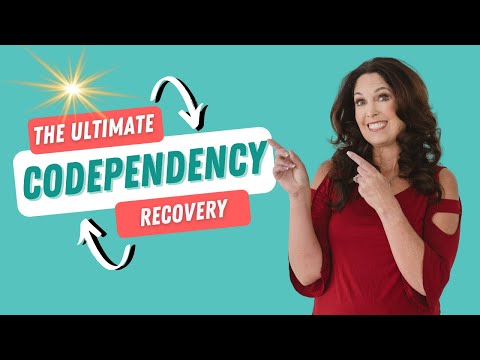
Hey, you know that feeling when you’re so wrapped up in someone else’s problems that you forget your own? Yep, that’s codependency. It sneaks up on you, making you feel like your worth relies entirely on someone else’s happiness.
It’s kinda like being in a rollercoaster ride where you’re never really in control. Exciting and scary at the same time! But here’s the thing—healing from that? Totally possible.
With a bit of understanding about what’s going on in our heads and hearts, we can learn to break those patterns. And when we do it together? Well, that’s when the magic happens!
This journey isn’t just about one person; it’s about all of us supporting each other and finding our own paths back to ourselves. So, grab a snack, get comfy, and let’s dig into this whole world of healing together!
The Dynamics of Codependent Relationships: Navigating Challenges When Two Codependents Unite
Codependency is a tricky thing. It’s that dance where one person feels they can’t function without the other. When two codependents come together, it can be like setting off a firework show. There’s a lot of energy, but also plenty of potential for chaos.
When you think about it, codependent relationships often thrive on a cycle of neediness and support. You might find yourself overly focused on your partner’s feelings and needs, sometimes at the expense of your own. This might feel comforting at first, like a cozy blanket, but sooner or later, that blanket can suffocate.
In these relationships, both partners can struggle with boundaries. For example, let’s say you really want to make your partner happy. So you end up saying “yes” to everything they want, even if it means neglecting your own needs. It’s like building a house on sand; eventually, something’s gotta give.
Another aspect to consider is emotional reactivity. You both may have developed patterns of coping with stress through each other—if one gets anxious, the other might unconsciously try to «fix» them by taking on their issues. It becomes this back-and-forth where neither person is really addressing their own feelings or problems.
So how do you navigate this? First off, recognizing that you’re in a codependent situation is key. Awareness is the first step toward change. Maybe it hits you when you’re feeling drained after constantly checking in with your partner about their day while ignoring yours.
Then comes communication. Look for moments when one of you feels overwhelmed or ignored and start talking about it openly. Use “I” statements; for instance: “I feel left out when we only talk about what’s bothering you.” This encourages vulnerability without sounding accusatory.
It’s also important to start building those boundaries I mentioned earlier. You don’t have to say yes all the time! Try carving out space for your own interests and friendships outside the relationship—like joining a book club or picking up an old hobby. This helps reinforce your individual identity, which is crucial in breaking the cycle of codependency.
And let’s not forget self-care! You both deserve time apart to recharge mentally and emotionally. Maybe spend some weekends doing things solo—take that art class you’ve always wanted to try or binge-watch that show you’ve been putting off!
Finally, don’t hesitate to seek help either individually or together! Sometimes having an objective third party can really help break down those unhealthy patterns. Just remember that healing takes time—there’s no quick fix here.
Navigating challenges when two codependents unite isn’t easy but recognizing those dynamics can lead both partners toward healthier patterns and more fulfilling connections—and hey, it could even make life feel a bit lighter!
Understanding Toxic Codependent Mothers: Signs, Effects, and Healing Strategies
Understanding toxic codependent mothers can be a real eye-opener. It’s like peeling an onion; there are layers to think about. Let’s break this down into some key points on what codependency looks like, its effects, and how to start healing.
Signs of a Toxic Codependent Mother
It can be tricky to spot a toxic dynamic, but there are definitely some red flags that stick out. If you’ve ever felt like your mother’s happiness hinged completely on you, you might be in a codependent relationship. Here are some signs:
- Excessive Control: She might micromanage your life decisions or try to dictate who you should hang out with.
- Emotional Manipulation: Guilt trips, passive-aggressive comments, or silent treatments can be common tools.
- Lack of Boundaries: She may overstep personal space and privacy—like reading your texts without permission.
- Victim Mentality: Everything is always someone else’s fault; she never takes responsibility for her own actions.
So imagine this: You’re on the phone with your mom after a rough day at work. Instead of comforting you, she turns it around and unloads about how lonely she feels without your constant attention. You’re left feeling guilty for not being there enough for her.
Effects on the Child
Living with a toxic codependent mother can leave emotional scars that linger well into adulthood. Here’s what it might look like:
- Low Self-Esteem: Constantly trying to satisfy someone else’s needs often makes you forget your own worth.
- Poor Boundaries: It’s hard to know where you end and others begin when you’ve grown up in such an enmeshed relationship.
- Anxiety and Depression: The pressure to meet unrealistic expectations can lead to chronic stress or even mental health struggles.
Think about how frustrating it must feel when you’re trying so hard to make her happy yet feel completely drained while doing so.
Healing Strategies
Now that we’ve unpacked some signs and effects, let’s talk about healing—because that’s totally possible! Here are a few strategies:
- Acknowledge Your Feelings: Allow yourself to feel anger, sadness, or confusion about the situation without judgment.
- Create Boundaries: Start small. Maybe it’s limiting how often you talk during the week. Remember, boundaries aren’t walls—they’re simply fences that keep things healthy!
- Pursue Therapy or Support Groups: Talking through experiences can help untangle those cords of codependency and provide perspective.
Just picture yourself taking baby steps—like saying “no” when she calls for something trivial instead of jumping in right away. Each little step brings more freedom.
In short, navigating a relationship with a toxic codependent mother is no walk in the park. But knowing the signs and actively working toward healing can pave the way for healthier connections in the future. Stay strong!
You know, codependency can feel like this heavy weight on your shoulders. It’s when you get so wrapped up in someone else’s feelings and problems that you forget about yourself. I mean, we all want to help the people we love, right? But sometimes that desire to help turns into a habit where your needs are totally pushed aside.
I remember a friend of mine who was always there for her partner. She’d drop everything at a moment’s notice if he was upset or needed something done. It was sweet at first, but then it started to drain her completely. Eventually, she realized she was neglecting her own dreams and feelings just to keep him happy. That realization hit hard—like a slap in the face, honestly.
Now, the journey towards healing together can be tricky but super rewarding. It often involves recognizing those patterns of behavior—the way you might have learned to love or be loved—and questioning them. Why do you feel like your worth depends on how well you take care of someone else? That’s where things start getting interesting because it’s not just about breaking free from those habits but also learning how to build healthier connections.
What really helps is communication—talking openly about feelings and setting boundaries. It sounds simple enough, but man, it can feel daunting! Just think about when my friend finally told her partner she needed time for herself; there was a huge sigh of relief followed by some awkwardness, sure. But that awkwardness led to deeper conversations and more understanding between them.
Healing together means not only working on your individual issues but also figuring out how to support each other in ways that don’t drain you both dry. It’s like being each other’s cheerleaders rather than each other’s crutches! You want both people in the relationship standing strong side by side instead of one person leaning heavily on the other.
In essence, recovery from codependency is all about rediscovering yourself while learning how to love without losing your identity in someone else. So if you’re struggling with this idea of healing together? Just know it’s absolutely possible and can lead to some really beautiful relationships where both partners grow individually while being stronger together!