You ever catch yourself daydreaming? Or notice how a song can totally change your mood?
That’s the magic of cognitive processes at play. They shape how we think, feel, and react to everything around us.
It’s wild when you think about it. Our minds are like intricate machines, constantly working behind the scenes.
Sometimes it feels like they’re on autopilot, right? But there’s so much going on under the surface that we hardly notice.
Let’s take a fun little journey into the brain’s inner workings. You might just learn something cool about yourself!
Understanding Cognitive Processes: Key Concepts in Psychology
Understanding cognitive processes can feel like peeking behind the curtain of our minds. You know, it’s all about how we think, learn, remember, and make decisions. It’s fascinating because these processes are at the core of everything we do!
Cognition isn’t just about what you memorize for a test or how you solve a math problem. It’s like the software running your mental computer. Here are some key concepts that really help explain it:
- Attention: This is your mind’s spotlight. It helps you focus on what matters and block out distractions. Imagine you’re trying to listen to a friend in a crowded café—you’re using attention to concentrate on their voice.
- Perception: This is how we make sense of the world around us through our senses—like sight, sound, and touch. Perception isn’t just passive; it’s influenced by your past experiences and expectations. Like when you hear a song that reminds you of a summer road trip; suddenly, you’re right back there!
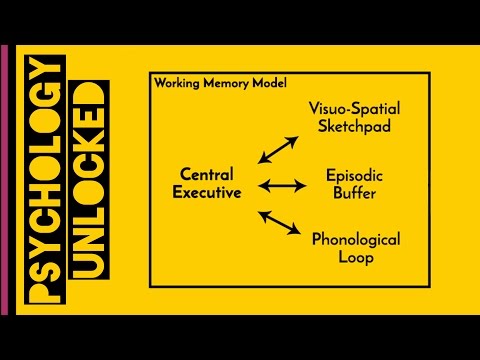
- Memory: Memory is crucial for learning and staying connected to your experiences. It’s not just about remembering facts; it includes short-term, long-term, and even working memory. Picture this: ever had that moment when someone’s name slips your mind at the worst time? That’s your working memory in action—juggling so much info at once!
- Language: Language shapes how we think and communicate ideas. This isn’t just vocabulary; it includes grammar, sentences, and overall meaning. Think about how hard it can be to convey feelings if you don’t have the right words! Ever tried explaining a dream? Super tricky sometimes!
- Problem-Solving: This involves identifying challenges and figuring out ways to tackle them. We all face problems daily—big or small! Say you’re trying to fix a leaky faucet; it takes some critical thinking to figure out where it’s coming from!
So, basically, cognitive processes create the framework for all our thoughts and actions—they’re like building blocks for everyday life!
Now here’s something interesting: did you know that these processes aren’t fixed? They evolve based on experience and learning! The more you practice something, like playing an instrument or learning a language, the better those cognitive skills get over time.
Think about when learning feels hard at first but then becomes second nature after some practice—like riding a bike or baking your favorite recipe without looking at notes anymore. That’s cognition developing!
If you’ve ever felt stuck figuring something out—like when you’re brainstorming ideas for work—you’ve likely seen how complex these processes can be. They don’t always work smoothly together; sometimes, they clash in funny ways or go on tangents!
In short, understanding cognitive processes gives valuable insight into who we are as individuals and how we interact with the world around us! Not only does it unlock our thought patterns but also helps improve ways you can learn new things or tackle life’s challenges with more confidence.
And hey, next time you’re caught in deep thought or daydreaming away during class (we’ve all been there!), just remember: that’s your amazing cognitive brain doing its thing!
Understanding the 4 Internal Mental Processes: A Comprehensive Guide
Sure! Let’s chat about the four internal mental processes in a way that makes it all clear and relatable. These mental processes are pretty cool because they help us navigate life without even thinking about it sometimes.
1. Perception
This is all about how we take in information from the world around us through our senses. You see, perception isn’t just about what we see; it’s how our brain interprets that info. For example, you might see a rainbow after rain. Your eyes catch those colors, but your brain decides to label it as “pretty” or “beautiful.” It takes in the sounds of rain and the cool breeze too, creating a whole vibe!
2. Attention
Attention is like a spotlight shining on things you think are important in a given moment. Imagine you’re at a noisy café, and you’re having a convo with your friend. You tune out all that background chatter to focus on their voice. What happens here? That’s your attention at work, filtering out distractions so you can connect with what really matters to you right then.
3. Memory
Memory is more than just remembering what you had for lunch yesterday or where you put your phone (ugh!). It involves encoding info, storing it, and then later recalling it when needed. When your friend tells a funny story from last summer, your brain retrieves that memory of laughing together at the beach—even if details are fuzzy! This process helps shape who we are based on our experiences.
4. Thinking
Thinking is how we process information to solve problems or make decisions—like figuring out which movie to watch tonight! We analyze options, weigh pros and cons, and come up with conclusions based on everything we know (or think we know). Sometimes you might feel overwhelmed by choices; that’s completely normal. It’s like standing in front of a huge ice cream display: so many flavors!
These four processes work together seamlessly—like pieces of a puzzle—to help us make sense of life every day. Each one plays an essential role in how we understand ourselves and interact with the world around us.
So there you have it! Perception lets us take in our surroundings, attention keeps us focused on what’s important, memory helps us store experiences for future reference, and thinking allows us to make decisions based on what we’ve learned along the way.
Understanding these processes can help us appreciate just how complex—and amazing—our minds really are!
Understanding the Four Types of Cognitive Processing: A Comprehensive Guide
Cognitive processing is pretty much how we take in, think about, and make sense of the world around us. It’s like our brain’s inner workings, which help us navigate life every day. There are four main types of cognitive processing, and I’ll break them down for you.
1. Perceptual Processing
This is where everything kicks off. Perceptual processing helps you understand what you see, hear, or feel. It involves recognizing patterns and making sense of sensory information. For instance, when you hear a song and recognize it immediately, that’s perceptual processing at work! Your brain quickly identifies the melody and connects it to memories or feelings.
2. Attention
Attention refers to how you focus on certain things while ignoring others. Think about when you’re in a crowded room trying to chat with a friend. You filter out all the background noise so you can concentrate on their voice.
3. Memory Processing
Memory is like a giant filing cabinet in your brain where all your experiences are stored. There are different types of memory:
Recollecting these memories allows us to learn from past experiences and make decisions based on them.
4. Decision-Making
Finally, we have decision-making processes that help us choose between options based on the information we’ve gathered through perception, attention, and memory. For example: let’s say you’re at an ice cream shop deciding between chocolate chip cookie dough or mint chocolate chip (tough choice!). Your brain evaluates which flavor you’ve enjoyed before or what your friends recommend—all of this info leads to your final tasty decision.
When combined together, these four types of cognitive processing influence everything we do—from simple tasks like picking an outfit to complex decisions involving relationships or careers.
So next time you’re tackling something tricky or even just choosing what to eat for lunch, remember that these cognitive processes are working behind the scenes!
Cognitive processes are like the hidden gears of our minds, turning and twisting to help us make sense of everything around us. I mean, think about it: when you wake up in the morning, your brain is already firing up, sorting through thoughts about what you need to do for the day, decisions about breakfast, or even just remembering that thing you forgot yesterday. It’s pretty wild how much our brains are working behind the scenes.
You remember that time when you were trying to solve a tricky puzzle? Maybe it was a crossword or a Rubik’s Cube. You probably felt that rush of frustration when nothing clicked, right? But then—bam!—something suddenly made sense and you figured it out. That moment captures cognitive processes in action: perception kicks in as you see patterns, memory serves up hints from what you’ve done before, and reasoning helps connect the dots. All these little processes are working together like a team.
What’s fascinating is how we often take this all for granted. For instance, when we’re talking with friends or reading a book, we don’t sit there thinking about decoding every word or piecing together context clues; it just flows naturally. But if you pause for a second and really concentrate on what’s happening in your mind during those moments—it becomes clear just how complex everything is.
I once went hiking with some friends and got lost for hours. Yep! While half of us were panicking, I found myself just observing my thoughts: figuring out which way to go based on previous paths I took in other hikes while also weighing my friends’ input. My brain was juggling memory from past experiences along with new information from the current situation—I could almost feel those gears turning!
So this interplay of cognitive processes shapes so much of our everyday lives without us even noticing it. From problem-solving to decision-making and everything in between—it’s crucial for navigating our world. And next time you’re stuck on something tricky or just going about your day-to-day life, take a moment to appreciate all those unseen actions happening inside your head! It’s kind of beautiful when you think about it—the way your brain constantly works to keep things running smoothly—even when you’re not aware of it at all!