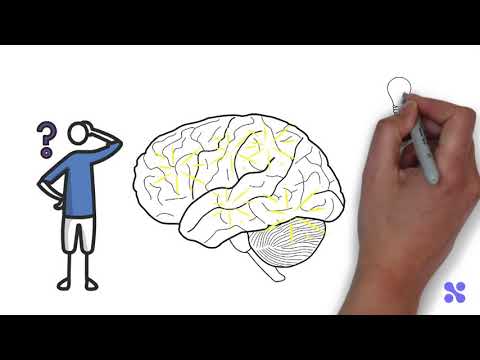
So, let’s talk about cognition. You know, that whole thing about how we think and understand stuff? It’s pretty wild when you start digging into it.
Think about it this way: every little choice you make or opinion you hold is a product of your thoughts and perceptions. Crazy, right?
You might catch yourself daydreaming or zoning out sometimes. Well, that’s also your mind at work! We’re constantly processing information.
And hey, what exactly does it mean to perceive something, anyway? Sometimes, our brains just see things differently than they are. That’s where things get really interesting!
So yeah, cognition isn’t just some fancy term in psychology. It’s all the little mental gymnastics we do every day without even thinking twice about it! Let’s explore this fascinating world of thought and perception together.
Cognition: Exploring the Definitions of Thought and Perception in Legal Contexts
Cognition is a pretty fascinating area of psychology. It’s all about how we think and understand the world around us. When you’re talking about cognition in legal contexts, things can get a bit tricky. So let’s break it down into thought and perception, okay?
Thought refers to the mental processes that allow you to manipulate information, reason, and solve problems. In courtrooms, what someone thinks can really shape outcomes. Imagine a juror trying to determine whether a defendant was guilty or innocent. Their thoughts about the evidence presented—like witness testimony or forensic details—will influence their judgment, right?
Now, perception is a little different but super important too. It basically involves how you interpret sensory information. So when you see something happen or hear someone speak, your brain is working hard to make sense of those inputs. In legal scenarios, this can mean how eyewitnesses perceive an event. Sometimes they might feel certain they saw something clearly but later find out their memories were influenced by stress or even media coverage.
Here are some key points to consider:
- Cognitive biases: These are systematic errors in thinking that affect decisions and judgments. Jurors might have biases based on race or previous experiences that impact their views.
- Memory reliability: Memories are not always reliable! In high-stress situations like witnessing a crime, people’s perceptions might change over time, leading them to remember things inaccurately.
- Framing effects: How information is presented can change our thoughts about it. For instance, describing a defendant as «violent» versus «defensive» can shape opinions significantly.
- The role of emotions: Emotions can influence cognition too! If a juror feels angry or sympathetic towards a case, it might cloud their rational judgment.
A cool example here could be the infamous case of *The Central Park Five*. These young men were wrongfully convicted in part due to faulty eyewitness testimonies shaped by stress and leading questions by police—classic cases where perception got distorted.
So yeah, cognition plays a massive role in how we interpret events legally. Thought processes affect decisions while perception shapes our understanding of reality—all of which makes the courtroom dynamic super complex!
Understanding the Distinction Between Cognition and Perception: Key Insights Explained
Cognition and perception often get mixed up, but they’re really different things! So, let’s break it down.
Cognition is all about your mental processes. It’s like a behind-the-scenes show where your brain’s working hard to understand, think, and remember stuff. When you solve a math problem or plan your weekend, that’s cognition in action. It involves things like thinking, reasoning, problem-solving, and even planning for the future.
On the flip side is perception. This is how you interpret the world around you using your senses. Like when you see a beautiful sunset and feel relaxed or hear your favorite song and it lifts your mood—that’s all perception at play. It’s how you process sensory information and make sense of what you’re experiencing.
Think about it this way: Imagine you’re at a party. You see someone across the room (that’s perception). You recognize them as an old friend (that’s cognition). Your brain connects that visual input with past memories—like fun times together—and makes sense of who they are.
Let’s break it down further:
- Perception involves sensory input. It starts when your eyes, ears, or other senses pick up information.
- Cognition builds on that. You analyze what you’ve perceived to make decisions or draw conclusions.
- Perception can be influenced by experiences. How you interpret something might change based on what you’ve been through.
- Cognition can also affect perception. If you’re stressed out, you might perceive things differently. Like seeing shadows as threats because of anxiety.
A good example here could be color blindness. For someone who has this condition, their perception of colors differs from someone who doesn’t have it. But this doesn’t mean their cognitive abilities are lesser—they can still think critically and solve problems just as well!
So basically, cognition is more about what goes on inside that noggin of yours after the senses do their job. While perception lets in the raw data from our environment, cognition takes that data and runs with it—turning it into something meaningful based on past experiences and knowledge.
In everyday life, these two work hand-in-hand. The interaction between them helps us navigate our world effectively. When watching a movie, for example:
– Your eyes perceive the visuals.
– Your brain cognitively processes the plot twists.
It’s like a team effort! They might sound similar but serve different purposes in how we interact with our environment and make decisions each day.
Understanding this distinction helps illuminate not just psychology but also how we experience life itself. And knowing how they influence each other gives us insight into our thoughts and actions! Cool stuff!
Understanding Piaget’s Theory of Cognition: Key Concepts and Implications
Piaget’s theory of cognition is all about how we think and learn. It’s like a roadmap showing how our brains develop and process information over time. So, let’s break it down.
Stages of Cognitive Development
Piaget proposed that children go through four distinct stages as they grow. Each stage represents a different way of thinking and understanding the world.
- Sensorimotor Stage (0-2 years): In this stage, kids learn through their senses and actions. They explore everything by touching, looking, and moving. For example, when a baby shakes a rattle, they’re learning about cause and effect.
- Preoperational Stage (2-7 years): Here, kids begin to use language and symbols but still think literally. They might see a cardboard box as a spaceship for imaginary play but can’t yet understand complex concepts like conservation—like realizing that pouring water from one glass to another doesn’t change the amount.
- Concrete Operational Stage (7-11 years): Children start thinking logically about concrete events. They can grasp things like math operations or understand the concept of reversibility—if you pour that water back into the original glass, it looks the same again.
- Formal Operational Stage (12 years and up): This is where abstract thinking kicks in! Teenagers can solve complex problems, think about hypothetical situations, and even reason about philosophical issues.
Cognitive Processes
According to Piaget, assimilation and accommodation are crucial processes in learning.
- Assimilation: This happens when you fit new information into your existing mental framework. For example, seeing a dog for the first time but calling it a “cat” because that’s what you already know.
- Accommodation: This is when you modify your mental framework to incorporate new information. So if that same child learns that not all furry creatures are cats—like dogs—they adjust their understanding!
The Role of Interaction with Environment
One thing Piaget emphasized is how important interaction with your environment is for learning. Kids learn by actively engaging in what’s around them—playing games, asking questions, making mistakes. Imagine a toddler playing with blocks; they’re not just building—they’re exploring balance, shapes, even gravity!
This Theory’s Implications
Understanding Piaget’s ideas isn’t just for psychology nerds; it has real-world implications too:
- Eduction: Schools use these stages to plan curricula appropriate for kids’ cognitive levels.
- Mental Health: Recognizing where someone might be stuck in their cognitive development can help professionals tailor interventions better.
- Cognitive Development Research: His theory sparked loads of research into how we think and learn throughout life!
Ultimately, Piaget’s contributions help us see just how complex—and fascinating—cognition really is. Our thoughts aren’t just random musings; they’re part of an evolving process shaped by experiences everywhere we go!
Cognition, huh? It’s such a cool area in psychology that really digs into how we think, perceive, and make sense of the world around us. You know, when you stop and think about it, our thoughts shape just about everything we do. Like that time you had to decide what movie to watch with friends. You might’ve weighed your options based on what everyone liked or even how you felt that day.
So, let’s break it down a bit. Cognition is basically all those mental processes happening in our heads—like thinking, remembering, problem-solving, and even understanding language. Isn’t it wild how much is going on up there? For example, when you hear someone say your name from across the room, your brain jumps into action. It quickly recognizes that sound as important and decides whether or not to respond.
Now let’s talk about perception for a second because it plays a massive role in cognition. Perception is how we interpret the things we see, hear, taste—you name it! Imagine walking through a park on a sunny day. The trees look bright green; the flowers pop with color. But if you’re feeling gloomy? Suddenly everything seems duller, right? Your mood changes how you perceive those colors and sounds around you.
It hit home for me once when I was at this art gallery with a friend who was feeling pretty down. While I was admiring vibrant paintings full of life and energy, she looked at them totally differently—almost like they were washed out or sad to her. That moment made me realize how deeply our emotions can tint our perceptions.
Bringing these ideas together shows us that cognition isn’t just about hard facts or logic; it’s influenced by feelings and experiences too. It’s all intertwined! So next time you’re making a decision or trying to understand something new, remember that your own thoughts and feelings are doing some serious work behind the scenes. And hey, that’s kind of beautiful when you think about it!