Ever wonder what makes your brain tick? Like, why some folks seem to ace problems effortlessly while others struggle?
That’s the fascinating world of cognitive abilities. It’s all about how we think, learn, and solve problems—and trust me, it’s way cooler than it sounds.
Picture this: you’re at a party, and everyone is deep into a game. Some friends are quick on the uptake, while others take their time figuring things out. That difference? You guessed it—cognitive abilities at play!
So, let’s dive into this together. We’ll unravel what psychological science says about these abilities. Plus, you might just find some insights that resonate with you personally!
Discover the 7 Essential Cognitive Skills: Unlocking Human Potential
Cognitive skills are like the tools in your brain’s toolbox that help you think, learn, and solve problems. They shape how you perceive the world and interact with it every day. Here’s a closer look at some of those essential cognitive skills and what they mean for us.
- Attention: This skill helps you focus on what’s important and filter out distractions. Ever tried learning something new while your friend is binge-watching a series next to you? That’s attention in action—tuning out the noise to pay attention to what matters.
- Memory: Memory isn’t just about recalling facts; it’s also about learning from experiences. Remember that time you forgot where you left your keys? Or when a song got stuck in your head? That’s memory at work, whether it’s short-term or long-term.
- Perception: This involves interpreting sensory information—like seeing a crowded room and figuring out who’s who. Your brain takes in all sorts of info, like colors and sounds, then makes sense of it so that you can react quickly. Think of how fast you react when someone calls your name in a busy place!
- Language Skills: This includes understanding and using language effectively for communication. When you’re chatting with someone or reading a book, it’s these skills that make everything flow smoothly. It’s like having a conversation with an old friend where everything just clicks.
- Problem-Solving: Life is full of little puzzles, right? Whether deciding what to eat for dinner or tackling workplace issues, problem-solving helps us navigate through challenges creatively. It’s about finding solutions even when things get tricky.
- Cognitive Flexibility: This is your ability to switch between thinking about different concepts or adapting to new situations. Like when plans change last minute, and you’ve got to rethink your strategy on the fly! It shows how well we can adjust our thoughts based on new information.
- Critical Thinking: It’s the ability to analyze information objectively and make reasoned judgments. When you’re debating whether to believe something online or evaluating claims made in an article, critical thinking comes into play as it helps sift through facts and opinions.
These cognitive skills are all interconnected. For instance, better memory can enhance problem-solving because recalling past experiences provides valuable insights into tackling new challenges.
So why does this matter? Because sharpening these skills can unlock potential we didn’t even know we had! Just like exercising strengthens muscles, practicing these cognitive abilities can improve our everyday lives—making learning easier and interactions richer.
Consider this: if you’ve ever been caught up in deep conversation or focused intently on a task for hours without losing steam, you’re tapping into these skills effortlessly! With practice, anyone can enhance their cognitive toolkit for better decision-making and creativity.
In essence, understanding these cognitive skills gives you insight into how your mind works—and more importantly—how you can cultivate them for personal growth.
Understanding Insight in Cognitive Psychology: Definition, Importance, and Applications
Understanding Insight in Cognitive Psychology is about digging deep into those “aha!” moments when everything just clicks. You know, those times when a solution suddenly pops into your head out of nowhere? That’s insight!
So, what is it exactly? Insight refers to that sudden realization or understanding of a problem’s solution. It’s not like logical reasoning where you work through steps one by one. Instead, it’s more about that light bulb flicking on, often after a period of contemplation or even frustration.
Why is this important? Well, here are some points to consider:
Think back to a time when you were struggling with a math problem or trying to fix something around the house. You might’ve felt totally stuck, and then out of the blue, you figured it out! That moment is classic insight.
Now let’s talk about applications. Insight isn’t just some fluffy concept—it has real-world value:
You might be wondering about the process behind insight. Research suggests that it often comes after some sort of incubation period. So basically, if you’re sitting on a problem for a while without forcing it—maybe even stepping away from it—you might find those brilliant ideas come rushing back later.
To wrap it all up: insight, with its unique ability to transform thinking patterns, plays an essential part in our cognitive functioning and everyday decision-making. Whether inside classrooms or therapy sessions, fostering these moments can lead us toward greater understanding—not only of the challenges we face but also of ourselves!
Understanding Cognitive Ability Assessments: Definition, Benefits, and Applications
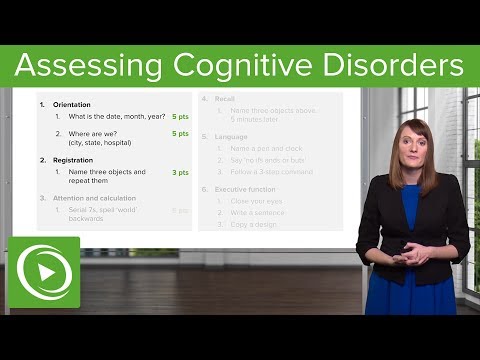
So, cognitive ability assessments are a pretty big deal in psychology and education, right? They’re basically tests that measure your brain’s ability to think, learn, solve problems, and adapt to new situations. You know how some people just seem to get stuff super quickly? These assessments help figure out why.
Definition: Cognitive ability assessments range from IQ tests to more specialized evaluations. They look at various skills—like memory, reasoning, and processing speed. Think of it like checking the engine of a car to see how well it runs. If a test shows you’re strong in critical thinking but maybe not so hot in memory recall, that gives valuable info about where you shine and where you might need some extra help.
Benefits: There are several perks when it comes to these assessments. For starters:
- Personalized Learning: By understanding your strengths and weaknesses, educators can tailor their teaching methods just for you. Imagine being in a classroom where the lessons actually fit your brain’s way of learning!
- Career Placement: Employers sometimes use these tests during hiring processes. They want to find out if you have the skills needed for the job. So if you’re applying for a role that requires fast problem-solving, they might look at your assessment results.
- Disease Diagnosis: In mental health settings, cognitive assessments can be crucial for diagnosing conditions like ADHD or dementia. They help clinicians understand what’s going on in your head so they can provide better care.
Now let’s talk about where these assessments show up in real life—like applications!
Applications: They pop up everywhere! In schools, teachers might use them to identify gifted students or those who need additional support. With these insights, they can create effective learning plans that cater directly to individual needs.
In the workplace? Well, companies often want employees who can think on their feet. If someone scores high on reasoning tests but struggles with verbal abilities, that information is super valuable when putting together teams—after all, not everyone has to be good at everything!
Sometimes they’re used in clinical settings too—not just education or business. A psychologist might assess someone’s cognitive abilities as part of a broader evaluation for mental health issues.
So overall? These assessments are really useful tools! They give us insight into how our minds work and help shape education systems and workplaces substantially—like putting puzzle pieces together for a clearer picture of human potential!
When we talk about cognitive abilities, it’s kind of like peeking inside our brains to see how they tick. You know? Like, how do we make decisions, solve problems, or even just remember where we parked our car? These skills are part of what makes us unique individuals. So assessing them can give us a deeper understanding of ourselves and others.
Think about it—remember that time a friend totally blanked on your name at a party? It’s awkward, right? But it could be a sign of many things: stress, distraction, or just a brain fart. No biggie! Our cognitive abilities can sometimes take little vacation days without warning. And that’s totally normal.
Psychological science dives into these abilities through various assessments. They look at memory, attention span, reasoning skills—just about everything that helps us interact with the world. For example, tests like IQ aren’t just numbers; they’re snapshots into how effectively someone processes information or learns new things.
But here’s the catch: it’s not all black and white. These assessments have their pros and cons. You might ace one test but struggle on another—it could depend on your mood that day or even how well you slept the night before! It reminds me of when I took an exam during a stressful time in my life; my brain felt foggy and I knew I wasn’t showing my true self.
It’s easy to get caught up in scores and labels. But the thing is, human cognition is complex! Every person’s mind works differently based on experiences and environments. The insights we gain from psychological science are only part of the story—you gotta consider the individual behind those scores too.
In short, assessing cognitive abilities offers valuable insights but can’t fully define who someone is or what they’re capable of achieving. It’s more about understanding potential than boxing people into categories. After all, life isn’t just about numbers; it’s about stories—yours and mine intertwined in ways that shape our unique paths!