So, let’s chat about how we think. Ever had one of those days where you’re just overthinking everything? Yeah, me too. Our brains are wild like that!
You know, cognitive approaches in psychology are all about figuring out what’s happening in our heads. It’s like peeling back the layers of an onion—each layer reveals a little more about how we process stuff.
These ideas aren’t just theories floating around; they’re super important for understanding ourselves and each other. Like, why do we react the way we do to certain things? Or why can’t we remember where we put our keys half the time?
Grab a comfy seat because this is going to be a fun ride into the whirring world of thoughts and feelings!
Understanding the Cognitive Approach to Mental Processes: Key Concepts and Applications
Cognitive psychology is all about understanding how you think, learn, and remember. It digs into the mental processes that underlie your thoughts and behaviors. So what’s it really all about? Let’s break it down.
Key Concepts
First off, let’s chat about some of the main ideas in the cognitive approach:
- Mental Representation: This just means how you store information in your brain. Picture your memories as little folders on your computer; each folder holds different types of info.
- Schema: These are like blueprints for understanding the world around you. For example, you might have a schema for “dog,” which includes all the things you know about dogs—like they bark and wag their tails.
- Cognitive Dissonance: This happens when there’s a conflict between what you believe and what you experience. Like, if you think eating junk food is bad but can’t resist a donut, that’s dissonance.
- Information Processing: Your brain takes in data from the world around you, processes it, stores it, and then retrieves it later. Think of it like how a computer works—input, processing, output!
Cognitive Development
Now, let’s look at how these concepts play out in real life—and here’s where it gets interesting! Cognitive development typically goes through stages. Take kids as an example. They start with simple understanding and gradually develop more complex thought patterns. Ever noticed how a toddler thinks? They might believe everyone sees things exactly as they do until they learn there are different viewpoints.
Applications
Cognitive psychology has tons of applications:
- Education: Understanding cognitive processes helps teachers develop strategies to enhance learning. Like using visual aids to reinforce memory.
- Therapy: In cognitive-behavioral therapy (CBT), therapists help you change negative thought patterns that affect your emotions and behaviors.
- User Experience Design: Designers consider how people think when creating apps or websites to make them easier to use.
It’s pretty amazing how cognitive psychology can inform everyday things!
Anecdote Time
Let me share a quick story here. I once had a friend who struggled with public speaking. He believed everyone would judge him harshly whenever he stepped up to speak in class. Through some basic cognitive techniques—like rethinking his schema for speaking situations—he started changing his thought patterns! Over time, he realized most people were supportive rather than critical. It was like flipping a switch for him.
In short, understanding cognition sheds light on why we think the way we do—and helps us navigate life a bit easier! Whether you’re teaching kids or trying to overcome personal hurdles, the insights from this approach can be super helpful in shaping our thoughts and behaviors more positively.
Understanding the Connection Between Mental Processes and Cognitive Psychology
So, let’s talk about cognitive psychology and all those mental processes that shape how we think and act. It’s like peeling an onion—each layer reveals a bit more about our minds. Cognitive psychology is the study of how we process information, make decisions, and solve problems. Basically, it digs into everything happening between your ears.
Mental processes are like the behind-the-scenes crew at a concert. You don’t see them, but they’re essential for everything to work smoothly. These processes include perception, memory, attention, language, and reasoning. Think of them as the tools that help you understand the world around you.
When you perceive something—like a beautiful sunset—your brain is actively selecting what to focus on. It’s not just about seeing colors; it’s also about interpreting those colors based on experiences or emotions you have attached to them. This is where attention kicks in. Sometimes you might focus on just that vibrant red sky while ignoring everything else around you.
Then there’s memory. This one’s huge! Memory isn’t just about storing information; it actually influences how we think and feel about past experiences. Like when you smell freshly baked cookies—it might trigger memories of your grandma’s kitchen or a time spent with friends.
Now let’s chat about language. We use language to express thoughts and ideas. Linguistic abilities shape how we communicate our feelings and perceptions too! For instance, saying “I’m feeling blue” conveys so much more than just stating you’re sad; it evokes imagery and emotion.
Reasoning ties all this together—it’s basically how we figure stuff out. It could be as simple as deciding which shirt to wear based on the weather or as complex as solving a mathematical problem. Each thought process molds your understanding of situations.
Cognitive approaches in psychology really shine when they examine these processes in detail. They often rely on research methods like experiments or surveys to gather data on how people think under certain conditions. For example:
- Cognitive Behavioral Therapy (CBT) uses cognitive approaches to help folks change unhelpful thought patterns.
- Researchers might present groups with different problem-solving tasks to see how their thinking changes based on various factors.
A classic experiment involved showing people two lines—one longer than the other—and then asking them to compare lengths while others intentionally claimed they were equal. This study showed how social pressure can affect our perception—and was one of many revealing insights into our mental processes.
In summary, understanding the connection between mental processes and cognitive psychology helps us appreciate all those intricate ways our minds work together to navigate life. From perception right down to reasoning, each element plays its part in crafting our reality—and isn’t that pretty cool?
Exploring Cognitive Psychology: Key Examples and Insights
Cognitive psychology is like shining a flashlight on the inner workings of your brain. It’s all about understanding how we think, learn, remember, and solve problems. So, grab a comfy chair and let’s break it down, shall we?
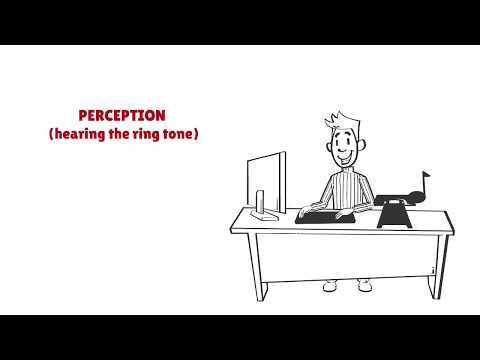
Cognitive processes involve everything from your memory to how you perceive the world around you. When you notice a red light at an intersection, that’s perception kicking in. Your brain quickly processes that color and shape and tells you what action to take—like stopping your car!
There are several key areas in cognitive psychology that help us understand these processes better:
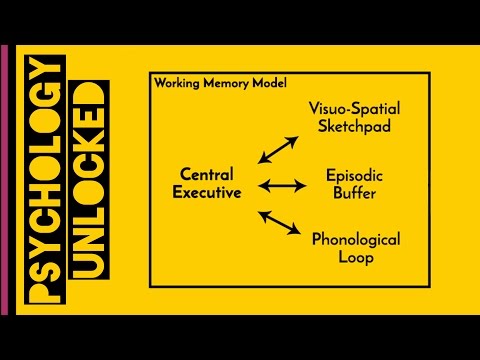
- Memory: This is one of the most fascinating areas! Imagine studying for a big test. You’re using different types of memory—short-term memory helps you remember facts for just enough time to regurgitate them on the exam day, while long-term memory kicks in when you’re recalling events from last summer’s trip.
- Attention: Ever tried reading while music blares in the background? Attention is what helps us focus on relevant information while filtering out distractions. It’s like trying to have a conversation at a noisy party—you concentrate on what your friend is saying while tuning out everything else.
- Problem-solving: This process involves breaking down problems into manageable parts. For instance, if you’re planning a vacation, you’d consider your budget, destination, and accommodations one step at a time.
- Language: Think about how quickly you respond when someone asks how your day was! Language involves not just words but also comprehension and production. It’s super intriguing because it shows how interconnected our cognitive abilities are!
- Decision-making: Every day we make countless choices—from what to eat for breakfast to which movie to watch tonight. Cognitive psychology dives into how we weigh pros and cons sometimes without even realizing it!
One interesting aspect of cognitive psychology is the concept of cognitive biases. These are those little mental shortcuts our brains use that might lead us astray. For example, have you ever thought something was true just because you’d heard it over and over? That’s called the “availability heuristic.» Your brain takes information you’ve seen frequently as more valid than it might actually be.
Here’s an emotional story related to decision-making: Imagine waiting for news about a job interview that went really well. You’re excited yet anxious! You might start overthinking everything—the way you answered questions or even how you dressed! That swirl of thoughts reflects how our cognitive processes can influence feelings.
It’s incredible how these mental processes play out daily without us even noticing them most of the time! Cognitive psychology helps researchers dive deeper into understanding behaviors and designing interventions when things go awry.
So there you have it; that’s a peek into cognitive psychology! By exploring these mental processes, we can better understand ourselves and improve everyday life—whether it’s making smarter decisions or simply remembering where we put our keys this morning!
Cognitive approaches in psychology really get to the heart of how we think, learn, and make decisions. You know, it’s like this fascinating journey into our minds. Think about it: every day, you’re processing information, figuring things out, and making sense of the world around you. Just last week, I was trying to remember where I had put my keys. It was a classic case of cognitive overload—my brain was juggling so many thoughts that I completely blanked on the one thing I needed most at that moment!
At its core, this approach looks at mental processes like perception, memory, and problem-solving. It’s all about understanding how we take in information and use it to navigate life. For instance, have you ever noticed how your brain fills in gaps when you’re reading? If you’re skimming through a text but miss a word or two, your mind automatically corrects it based on context. That’s cognitive processing in action—your brain is working hard to make sense of what it sees.
And then there’s memory! We all have those moments where an old song pops into our heads outta nowhere. Why does that happen? Well, cognitive psychology digs deep into how memories are formed and retrieved. Sometimes they stick with us for years; other times, they fade like an old photograph left out in the sun too long.
But what really gets interesting is how these cognitive processes influence our behavior. Let’s say you’ve got a big presentation coming up at work. Your thoughts might spiral into anxiety—what if I mess up? What if nobody cares? This is where understanding cognition can be a game-changer! By recognizing those patterns of thinking—like catastrophizing—you can start to shift them into something more positive or realistic.
It’s also worth mentioning tools like cognitive behavioral therapy (CBT), which basically harnesses these concepts to help people tackle issues from anxiety to depression. Through CBT, folks learn to challenge negative thoughts and develop healthier ways of thinking.
So yeah, cognitive approaches shine a light on the complexity of our mental processes. They’re not just academic theories; they’re relatable experiences that shape everyday life! Next time your mind feels jumbled or you find yourself lost in thought while staring at your phone (we’ve all done that!), remember—it’s all part of this wild ride we call cognition!