So, let’s talk about cognitive testing. You know, that thing we kinda hear about but don’t really get into? It’s like trying to peek into someone’s brain and see how they think and learn.
But here’s the kicker: traditional tests can be, well, a bit boring and old-school. Who wants to sit there filling out endless forms? Not me!
Lately, psychologists are shaking things up. They’re coming up with creative ways to get a clearer picture of our minds while making it fun—yes, fun! It’s a game-changer.
Curious? Buckle up because we’re diving into some cool new methods that make cognitive testing both interesting and surprisingly insightful. Let’s go!
Exploring the Four Major Approaches to Cognitive Psychology: A Comprehensive Overview
So, cognitive psychology is all about understanding how we think, learn, and remember. It’s like peeking inside our brains to see what’s happening when we solve problems or decide on stuff. There are four major approaches that help shape this field: information processing, cognitive neuroscience, constructivist approach, and connectionism. Let’s break them down.
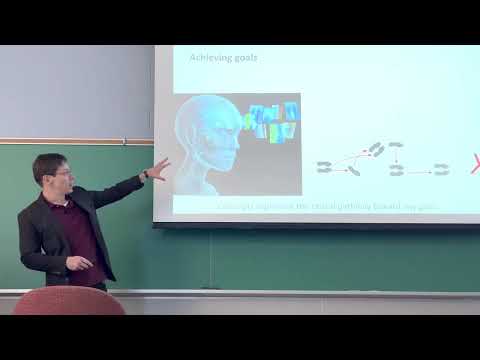
Information Processing: This approach views the mind kind of like a computer. It looks at how we take in information (input), process it (like running a program), and produce responses (output). Imagine you’re learning a new dance routine. You watch the steps (input), practice them in your brain and body (processing), then hit the dance floor when you’re ready (output). Researchers often use experiments where they measure reaction times to understand how quickly we process information.
Cognitive Neuroscience: Now this one combines psychology with biology. It’s where your brain meets behavior! Scientists study the brain structures and functions related to cognitive tasks. For example, if you’re trying to memorize a list of words, they might use brain scans to see which parts light up during the task. Think of it as using high-tech gadgets to figure out what’s going on under our skulls while we think.
Constructivist Approach: This one’s super interesting because it emphasizes that learning isn’t just about absorbing information— it’s about building knowledge based on experiences. So let’s say you’re learning a new language; instead of just memorizing vocabulary, you’d use conversations and real-life situations to create connections between words and meanings. The key idea is that everyone builds their understanding differently based on their unique experiences.
Connectionism: Lastly, connectionism likens the brain’s processes to neural networks—like a web of interconnected nodes. Imagine your thoughts as little lights connected by strings; when one lights up (think of remembering something), it can trigger others! This approach helps explain how we learn through associations and patterns rather than isolated facts.
These approaches not only help us understand cognition better but also pave the way for innovative testing methods. For instance, researchers may design tasks that simulate real-life situations or use brain imaging techniques to pinpoint how different cognitive processes work together.
In summary, cognitive psychology offers valuable insights into how our minds operate through these four distinct yet interconnected lenses: information processing focuses on data handling; cognitive neuroscience connects thoughts with brain activities; constructivism emphasizes personal experience in learning; while connectionism explores networks of thought connections! Each perspective adds another layer to our understanding of human cognition—it’s like piecing together a complex puzzle!
Understanding the Onset of Mental Decline: Key Insights on Age and Cognitive Health
Understanding mental decline as we age is a pretty complex topic. People often think that just because they’re getting older, they have to accept memory lapses or confusion as normal. But look, it’s not that simple! Aging does bring changes in cognitive health, but it can also be influenced by a ton of factors, including lifestyle and mental engagement.
Aging and Cognitive Decline
As we age, our brains naturally undergo some changes. You might notice slower processing speeds or difficulty multitasking. This doesn’t mean we’re losing intelligence. It’s more about how the brain organizes and retrieves information over time. For instance, when you’re trying to remember where you put your keys, the search might take a bit longer than it used to—but that’s just part of aging.
Factors Influencing Cognitive Health
Several things influence cognitive decline beyond just age.
- Physical Health: Conditions like hypertension or diabetes can impact brain health.
- Mental Engagement: Staying mentally active through puzzles or reading helps keep our minds sharp.
- Social Interaction: Engaging with others keeps cognitive skills from slipping away too quickly.
- Nutrition: A diet rich in fruits, vegetables, and omega-3s can support brain function.
Consider my friend Sarah. She turned 70 recently and started feeling forgetful; she thought it was all downhill from here. But then she decided to join a book club and picked up painting again. She claims her memory felt sharper—turns out that mental stimulation plays a huge role in keeping the brain agile!
Cognitive Testing Innovations
Now let’s talk about how psychology is stepping up its game with innovative approaches to cognitive testing. Old-school tests often felt like they were for neuropsychologists only—boring! But newer methods are incorporating technology and making evaluations more dynamic.
Tests are now using interactive games and digital platforms which can track attention span, memory recall, and problem-solving abilities in real time. These aren’t just numbers on a sheet; they provide insights into how someone thinks under pressure or manages complex tasks.
Furthermore, researchers are exploring biomarkers—subtle indicators of cognitive decline that could show changes earlier than traditional assessments ever could.
A New Perspective
So when you think about mental decline as you age, realize that it doesn’t have to be doom and gloom. Understanding what affects your cognitive health is crucial—both for yourself and for supporting loved ones going through similar experiences.
By staying engaged socially and mentally while looking after your physical well-being, you’re putting yourself in the best position to navigate these changes gracefully. And hey, there’s no harm in having fun along the way!
Understanding Cognitive Approaches in Psychology: Key Concepts and Applications
Understanding cognitive approaches in psychology can feel a bit like opening a treasure chest. You uncover insights about how our brains work, how we think, and what shapes our behavior. So, let’s break it down.
Cognitive Psychology is all about understanding mental processes like thinking, memory, and problem-solving. It looks at how we take in information, process it, and then use that info to guide our actions. Imagine you’re studying for a big test. You’re not just memorizing facts; you’re engaging with the material—connecting ideas, recalling past knowledge, and making predictions about what might be on the exam.
A big piece of this puzzle is information processing. This concept compares the mind to a computer: we take in data (input), process it (like running software), and produce an output (our response). For example, when someone asks you a question at a party, you immediately draw from your memory bank to answer—without even realizing it!
Another core idea is schema. Schemas are mental frameworks that help organize knowledge. Think of them as categories we place new information into. When you hear the word “dog,” you might picture a fluffy Golden Retriever because that fits your “dog” schema. But if someone mentions an exotic breed you’ve never seen before? Your brain might struggle to fit that new info into your existing schema.
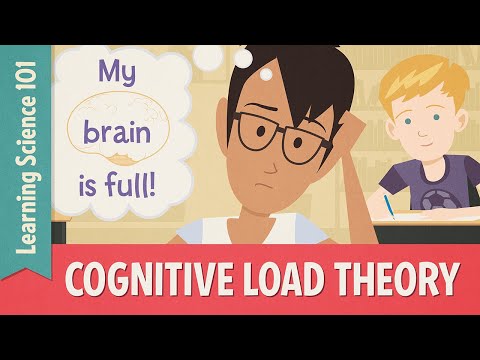
There’s also something called cognitive load, which refers to the amount of mental effort being used in working memory. If you’re trying to learn something super complex without building on previous knowledge, your brain’s going to feel overloaded—like trying to fit an elephant into a small car! That’s why educators often scaffold information; they break concepts down into manageable chunks.
Now onto some applications. Cognitive therapy uses these principles by helping people identify and challenge negative thought patterns. For example, if someone constantly thinks they’re not good enough at their job, they may work with a therapist to reframe those thoughts into something more balanced or realistic.
In research settings, innovative cognitive testing methods have emerged too! These tests can incorporate technology—think virtual reality or interactive tasks—to better understand cognitive functions like attention or decision-making under stress. This makes testing more dynamic and reflective of real-world situations.
So really, cognitive approaches provide us with valuable tools for understanding ourselves better. By delving into how we think and learn, not only can we improve educational practices but also enhance therapy techniques for improving mental health outcomes.
In sum:
- Cognitive psychology focuses on mental processes.
- Information processing compares the mind to computers.
- Schemas help us categorize information.
- Cognitive load affects our ability to learn new things.
- Applications include cognitive therapy and innovative testing methods.
That’s just scratching the surface of this fascinating topic! The more you dive deep into cognition, the richer your understanding becomes—just like peeling back layers of an onion. Each layer reveals more about what makes us tick!
So, cognitive testing in psychology is one of those topics that might sound super clinical at first. Like, how exciting can it be to test how our brains work, right? But if you think about it, there’s so much happening under the surface! The way we assess cognitive abilities has evolved a ton over the years.
Take a minute to remember back to your school days. You know, those standardized tests that made you sweat bullets? They often focused on memorization or straightforward problem-solving. But now, researchers are getting pretty creative with how they evaluate our cognitive processes. They’re using virtual reality and gamification! Seriously! Imagine putting on a headset and navigating a simulated experience instead of sitting at a desk filling in bubbles. It’s like bridging the gap between real life and assessments—making everything feel more relevant and less daunting.
I remember my friend Sarah; she was always freaked out by traditional tests. She’s super smart but just clammed up under pressure. One day, she tried this VR app designed to test spatial awareness while also exploring an alien planet. She ended up having so much fun that it didn’t even feel like testing anymore! It’s amazing how these innovative approaches can help individuals showcase their strengths without the stress of conventional formats.
These new tools also allow for more dynamic assessments. For instance, instead of just checking if you can remember a list of words or solve math problems quickly, researchers are looking at how you think in real-time during tasks that mimic actual challenges you’d face in daily life. This way, they can see your problem-solving skills in action—how quickly you adapt when things go sideways.
And let’s not forget about inclusivity! With more diverse testing methods, there’s potential for reaching people who might struggle with traditional assessments due to language barriers or other factors. It opens doors for a broader understanding of cognitive functioning across different cultures and backgrounds.
But here’s something to chew on: as much as these approaches are exciting, they also bring challenges—like ensuring that these innovative methods are reliable and valid across various populations. There’s still work to be done there.
So yeah—cognitive testing is becoming more than just number crunching or memorization games; it’s turning into something way more relatable and engaging—tapping into our experiences and emotions while assessing those incredible brain functions we often take for granted!