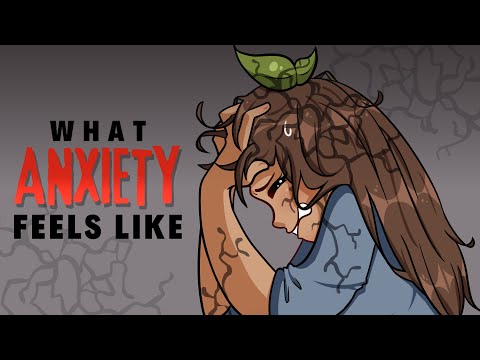
You know how sometimes your mind just races? Like, you’re going about your day and suddenly, boom—anxiety hits you like a freight train. It can be so overwhelming. Seriously, it can feel like you’re drowning in a sea of worry.
But here’s the thing: there are ways to grab the reins on that runaway train. Cognitive Behavioral Therapy, or CBT for short, is one of those cool methods that can really help.
If you’ve ever thought about what goes on in your head when anxiety strikes, you’re not alone. A lot of us deal with it in our own ways. Some days are better than others, right? And honestly, it’s okay to admit that we need a little help sometimes.
So let’s chat about some effective strategies from CBT that can help you find some relief. Because who doesn’t want to feel a bit lighter and more at ease?
Comprehensive Guide to Cognitive Behavioral Therapy (CBT) for Anxiety: Downloadable PDF Resource
Cognitive Behavioral Therapy, or CBT for short, is like a nifty toolbox for handling anxiety. It’s all about understanding how our thoughts affect our feelings and actions. The cool part? You can actually learn to change those thought patterns!
What’s the deal with CBT? Well, the main idea is that our thoughts aren’t always true reflections of reality. Sometimes they’re like funky little tricks our minds play on us. For instance, if you think «I’m going to fail this test,» you might feel anxious and avoid studying. But if you change that thought to “I can prepare well,” you’ll likely feel more motivated.
Here are some key aspects of CBT that can help with anxiety:
- Identifying Negative Thoughts: The first step is recognizing those pesky thoughts that pop up when you’re feeling anxious.
- Cognitive Restructuring: This involves challenging and changing those negative thoughts into more realistic ones.
- Behavioral Experiments: You might try new behaviors in situations that make you anxious. It’s kinda like testing a theory—you see what really happens!
- Mood Monitoring: Keeping track of your moods can help identify patterns over time and figure out what triggers your anxiety.
- Exposure Therapy: Gradually facing fears in a controlled way can desensitize you to anxiety-producing situations or objects.
Let’s take an example. Imagine you have a fear of public speaking. With CBT, you’d start by identifying negative thoughts like “Everyone will laugh at me.” Then, you’d work on reframing it: “Most people are supportive.” You could even practice speaking in front of friends before presenting publicly. Little by little, this helps reduce that fear.
Another thing worth mentioning is the importance of homework. Seriously! In CBT, therapists often give assignments between sessions—like journaling or practicing new skills—so the learning keeps going outside therapy.
So, if you’re looking for deeper insights or resources on CBT for anxiety relief—there are downloadable PDFs floating around that dive into effective strategies and techniques used in this therapy style.
Overall, CBT isn’t just about sitting around talking; it’s super active and practical! By working through these steps consistently, people often find they can manage their anxiety better and lead happier lives. Basically, it’s all about taking back control over your mind!
Cognitive Behavioral Treatments for Managing Anxiety and Stress-Related Disorders: Effective Approaches and Techniques
Cognitive Behavioral Therapy, or CBT for short, is like a trusty toolbox for dealing with anxiety and stress-related disorders. You know, it’s all about rethinking those pesky thoughts that pop up when you’re stressed or anxious. Let’s break down some of the effective approaches and techniques used in CBT that can help you tackle these feelings head-on.
Understanding Thoughts and Feelings
The first step in CBT is realizing that your thoughts influence your feelings. When you’re anxious about a situation—say, a big presentation—you might think, “I’m going to mess this up.” This thought can lead to feeling panic-stricken or defeated. The trick here is to challenge that thought. What if instead, you told yourself, “I’ve prepared well”? Changing your inner dialogue can really shift your emotional state.
Behavioral Activation
Next up is something called behavioral activation. This means getting yourself moving, even when you don’t feel like it. If you’re feeling low because of anxiety, one technique might be to schedule small activities that bring you joy—like going for a walk or grabbing coffee with a friend. It sounds simple but trust me—it works! Engaging in positive activities helps break the cycle of negative thoughts and feelings.
Exposure Therapy
Another powerful method involves exposure therapy. This isn’t as scary as it sounds! It’s about facing your fears gradually rather than avoiding them completely. Say you’re terrified of social situations; exposure therapy could involve starting with something small like saying hi to a neighbor before moving on to bigger gatherings over time. It’s all about building confidence at a comfortable pace.
Coping Skills Training
One cool thing about CBT is learning coping skills. Seriously! Techniques like deep breathing or mindfulness can change how you respond to stressors. Picture this: whenever you’re anxious, take five deep breaths—inhale slowly through your nose and exhale through your mouth. These simple exercises can calm your mind and keep anxiety from snowballing into full-blown panic.
Cognitive Restructuring
And then there’s cognitive restructuring—a fancy way of saying changing negative beliefs into more balanced ones. When those dreaded “what if” thoughts creep in, write them down alongside evidence against them. For example: “What if I embarrass myself?” Well, counter this by noting past successes: “Last time I spoke in public went great.” This practice helps root out anxiety-inducing beliefs!
Support Networks
Don’t forget the power of social support! Building connections with friends or support groups can make a huge difference when managing anxiety and stress-related disorders. Talking things out with someone who gets what you’re going through? Priceless! It makes everything feel less isolating.
In summary, cognitive behavioral treatments offer various practical techniques for managing anxiety and stress-related disorders effectively. From understanding the connection between thoughts and feelings to gradually facing fears through exposure therapy and building coping skills—there’s so much that can empower you!
Remember though—while these strategies are helpful tools in navigating tough times, everyone’s journey looks different! It might take some experimenting to find what clicks best for you—and that’s totally okay!
Effective Cognitive Behavioral Therapy Worksheets for Managing Anxiety: Tools and Techniques
Sure thing! Let’s chat about **Cognitive Behavioral Therapy (CBT)** and how some worksheets can help you manage anxiety. You’ll find that there are tons of tools and techniques out there, but we’ll break it down into simpler bits.
First off, CBT is all about understanding the connection between your thoughts, feelings, and behaviors. It’s like pulling apart the tangled strings in your mind to see what’s really going on. When you know what triggers your anxiety, you can start to change those thought patterns.
Worksheets in CBT are super useful because they guide you through this process. They provide a structured way to identify and challenge negative thoughts. Here are a few types of worksheets commonly used:
- Thought Record Sheets: You jot down anxious thoughts as they come up. Then, you challenge them by asking questions like, “Is this thought based on facts?” or “What evidence do I have?” For example, if you think, “I’ll embarrass myself in that meeting,” write down reasons it might not happen—like your past successes.
- Behavioral Activation Sheets: These help you plan enjoyable activities that can combat feelings of anxiety. Let’s say you love painting but haven’t done it in ages. You schedule time for it! Connecting with things that make you happy is key.
- Anxiety Trigger Lists: This one is pretty straightforward. You list situations or things that trigger your anxiety and then rate their intensity from 1 to 10. It helps put things into perspective—some triggers might not be as scary as they seem once you see them on paper!
- Coping Strategies Worksheets: These sheets help compile different coping methods for when anxiety hits hard. Maybe deep breathing works for some moments but journaling helps at other times? It’s good to have a toolbox!
Now, let’s get emotional for a second! Picture this: You’re about to give a presentation at work, and your mind starts racing with “What if I mess up?” or “What if no one listens?” Sound familiar? In moments like these, stopping to fill out a **thought record sheet** could transform the whole experience for you! By writing those thoughts down and challenging them right then and there, you’re slowly rewiring your brain’s response to anxiety.
The goal? To replace fearful thinking with more balanced thoughts over time—like building mental muscles through practice!
Remember though; these worksheets aren’t magic wands—they require time and effort. But by regularly using them, you’ll likely find yourself feeling more equipped to handle the daily waves of anxiety life throws at ya.
So there it is! Using effective CBT worksheets offers practical tools to tackle anxiety head-on while fostering healthier thinking patterns along the way. You’ll be surprised how much clarity comes from simply organizing those swirling thoughts!
Alright, let’s talk about anxiety and some of those cognitive behavioral therapy (CBT) strategies that can help you deal with it. We all know that feeling: heart racing, palms sweating, the mind just going a mile a minute. It can really mess with your day-to-day life, right? Like the time I had to give a speech in front of my class. I stood there feeling like I might just pass out! But then I found ways to handle those nerves.
So, CBT is all about recognizing those thoughts that drive our anxiety. You know how you might spiral into “What if I fail?” or “Everyone will laugh at me?” Those thoughts can feel super heavy. But what if instead of just accepting them as truth, you challenged them? You could ask yourself questions like, “Is this thought really true?” or “What evidence do I have?” This little mental exercise can help shake off some of that anxious vibe.
Another big strategy is learning to change your response to anxiety-provoking situations. Let’s say you’re worried about socializing at a party. Instead of avoiding it altogether (which, let’s be real, feels tempting), you could try gradual exposure. Start by going for just a little while and leaving early. Each time you do this, you’re teaching your brain that the party isn’t going to swallow you whole.
Then there’s mindfulness which is gold when it comes to managing anxiety! Remember when we used to stress about everything on our plate? Mindfulness helps ground you in the present moment. Picture yourself sipping coffee in a cafe and focusing on the taste and smell rather than your overflowing to-do list. It sounds simple but seriously? It works wonders!
And lastly, let’s not forget the power of journaling—yeah, that classic pen-on-paper magic! Writing down your thoughts feels like taking everything swirling in your head and giving it a place to land. It helps bring clarity and even shows patterns in your thinking that might be doing more harm than good.
So with these strategies—challenging negative thoughts, gradual exposure, mindfulness practices, and journaling—you’re slowly building up tools for tackling anxiety head-on. It’s not always an easy road; some days are harder than others—and that’s totally okay! Just remember that every small step counts toward feeling less anxious and more like yourself again!