You know that feeling when your heart races at the slightest sniffle? Yeah, me too. Health anxiety can be a total rollercoaster ride, right? One minute you’re fine, and the next you’re convinced you’ve got something serious going on.
It’s exhausting. Like, seriously exhausting. And it’s not uncommon to feel like you’re trapped in your own thoughts, running through worst-case scenarios on repeat.
But what if I told you there are some cool techniques from cognitive behavioral therapy that could help? You could learn to manage those anxious feelings and thoughts a lot better. That might sound way easier said than done, but hang tight!
Let’s chat about some practical ways to navigate this whole health anxiety maze together.
Understanding the CBT Approach to Managing Health Anxiety: Strategies and Insights
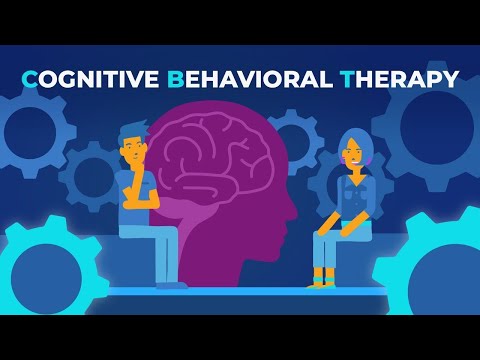
Health anxiety, sometimes called hypochondria, can feel like you’re living in a constant state of worry about your health. You might catch yourself fixating on minor symptoms or thinking the worst. It’s exhausting, right? That’s where **Cognitive Behavioral Therapy (CBT)** comes in. This approach focuses on changing the way you think and behave, which can really help manage those anxious feelings.
So, let’s break down how CBT works for health anxiety and some strategies used in this therapy.
Cognitive Restructuring is a big part of CBT. It helps you identify and challenge those negative thoughts. For example, if you’re convinced that a headache means something serious, CBT encourages you to question that thought. Like, «What evidence do I have that this is anything serious?» You’d be surprised how often those fears don’t hold up to scrutiny!
Next up is Behavioral Exposure. This part involves gradually exposing yourself to the things that make you anxious. If you’re afraid of going to the doctor because you’re worried about what they might find, a first step might simply be calling the office to make an appointment. It feels intimidating but doing it bit by bit can lessen the fear over time.
Another technique is called Mindfulness Training. This isn’t just about meditation; it’s about being present with your thoughts without judgment. Imagine sitting quietly and noticing when those anxious thoughts pop up—like «I must have a serious illness.» Instead of spiraling into worry, mindfulness helps you acknowledge those thoughts and let them pass without giving them too much power.
Journaling can also be super helpful! Writing down your thoughts and feelings allows you to see patterns in your anxiety. Maybe after writing for a week, you’ll notice that your worries often spike after reading health articles online or talking to certain people. Once you spot these triggers, you can work on adjusting how you respond.
Finally, Problem-Solving Skills are key too! When faced with anxiety about a specific symptom or situation, think through potential solutions together with someone supportive or even just write it out. It’s like playing out different scenarios in your head so they don’t feel so overwhelming anymore.
Many find CBT helpful because it gives them practical tools rather than just discussing feelings all the time. And what’s great is these tools can empower you to take control of your thoughts instead of letting them drive your emotions.
In short, understanding **CBT techniques** for managing health anxiety isn’t rocket science but rather learning how to think differently about your worries.
Still sounds tough? Totally get that! Just remember: taking small steps really adds up over time. Each little victory builds confidence and slowly shifts that mindset away from fear—one thought at a time!
Exploring Effective Therapies for Managing Health Anxiety: A Comprehensive Guide
Health anxiety can feel like a heavy weight on your chest, right? You might find yourself constantly worrying about your health, scrolling through symptoms online, and imagining the worst possible outcomes. You’re not alone in this—it’s more common than you think! But there are effective therapies that can help you manage those worries. One of the most popular approaches is Cognitive Behavioral Therapy (CBT).
So, what’s CBT all about? Well, it’s basically a way to identify and challenge those pesky thoughts that aren’t doing you any favors. You know, those looping fears about being sick or imagining that every little ache means something terrible? CBT helps you understand how your thoughts influence your feelings and behaviors.
Here are some key techniques from CBT that might help:
- Cognitive Restructuring: This technique involves spotting negative thoughts and replacing them with more balanced ones. If you think, “I’m definitely sick because I have a headache,” try shifting to “Headaches are common and often not serious.” It’s like retraining your brain!
- Exposure Therapy: This sounds intimidating but hear me out. In this process, you gradually face your fears in a controlled way. For example, if going to the doctor makes you anxious, you could start by just driving by the clinic. Little by little, you build up to actually walking in.
- Breathe Easy: Stress management techniques like deep breathing can really help when anxiety spikes. By focusing on your breath for just a few minutes—taking slow, deep breaths—you can calm down that racing heart.
- Mindfulness Practices: These can be super helpful too! Learning to stay present helps reduce those spirals of worry about the future or what might happen next week. You could try simple mindfulness exercises like focusing on what you’re doing right now—like feeling the grass beneath your feet when you’re outside.
A while back, I remember chatting with a friend who struggled with health anxiety. She couldn’t shake off fears about having serious illnesses after reading something online. We started practicing some of these techniques together—especially cognitive restructuring—and she shared later how much lighter she felt; it was like lifting a fog off her mind!
The thing is, trying out these therapies takes time and patience; it’s not magic overnight! But gradually applying them can equip you with tools to manage health-related worries effectively.
If you’re curious about other options too: some folks find value in group therapy, where they connect with others facing similar struggles—it can feel really validating! Remember that there’s no one-size-fits-all solution here; it’s all about finding what resonates with you.
Your feelings are valid! And recognizing that seeking help is a sign of strength is really important too. So explore these therapies at your own pace—you deserve peace of mind!
Comprehensive CBT Guide for Managing Health Anxiety: Downloadable PDF Resource
In the realm of mental health, dealing with health anxiety can be pretty challenging. It’s that nagging worry you feel about your well-being, often leading to excessive fear of serious illness. If you’ve found yourself constantly Googling symptoms or running to the doctor at every little ache, you’re not alone.
Cognitive Behavioral Therapy (CBT) is a popular approach to manage health anxiety. This method focuses on changing negative thought patterns and behaviors. Here are some key techniques you might come across in a CBT guide aimed at health anxiety:
- Identify Negative Thoughts: Start by recognizing those pesky thoughts that pop up when you’re worried about your health. Maybe it’s thoughts like “What if I have a terrible disease?” or “I can’t handle this!” Seriously, just writing them down can help clarify what’s being triggered.
- Challenge Those Thoughts: Once you’ve identified these negative thoughts, take a moment to challenge them. Ask yourself questions like “What’s the evidence for this thought?” or “Have I ever been right about my fears before?” You’d be amazed at how often the answer is no!
- Practice Mindfulness: Mindfulness helps you stay present instead of getting lost in those scary future scenarios. Try deep breathing exercises or meditation to ground yourself in the here and now. It’s all about recognizing when your mind starts racing and gently bringing it back.
- Behavioral Experiments: This one sounds fancy but is super practical! It involves testing your fears by facing situations that trigger your anxiety in a manageable way. For instance, if you’re afraid of going for a routine check-up, gradually expose yourself to the idea until it feels less daunting.
- Maintain a Health Anxiety Journal: Keeping track of your thoughts and feelings can be revealing. Write down what triggers your anxiety and how you felt after certain situations. Over time, you might notice patterns or improvements!
But seriously, just reading through techniques isn’t enough; you gotta put them into practice! Many guides come with downloadable PDFs that break down these approaches into user-friendly formats, making it easier to revisit strategies whenever needed.
Also, don’t forget to celebrate small victories along the way! Maybe one day you went without checking symptoms online—yeah! That’s progress! Or perhaps you sat through an appointment without spiraling—another win!
Health anxiety doesn’t just disappear overnight; it’s more like climbing a hill—sometimes steep and tough—but with each step up, you’re building resilience and understanding.
So if you’re looking for support materials like downloadable CBT guides for managing health anxiety, you’ll find tools that break down these principles in approachable ways. The goal is simple: empower yourself with knowledge and techniques that help reduce unnecessary worry while living life fully!
So, health anxiety—man, it can be a real rollercoaster. You’re going along with life, feeling fine, and then suddenly your brain decides to go into overdrive about every little ache or sniffle. You might start Googling symptoms like you’re a medical professional and end up spiraling deeper into worry. It’s wild how our minds can twist reality sometimes!
Now, when folks talk about managing health anxiety, one big approach that comes up is Cognitive Behavioral Therapy (CBT). Basically, CBT is all about changing the way you think and act to feel better. Sounds simple enough, right? But it’s actually super effective for health anxiety because it helps you identify those pesky thoughts that make you anxious in the first place.
One technique people often find helpful is cognitive restructuring. This is fancy-sounding but think of it as having a mental chat with yourself. When you catch yourself thinking “I have this pain; I must be seriously ill,” you challenge that thought with something like, “Wait a minute! I’m just sore from working out!” It’s all about re-framing those anxious thoughts with more realistic ones.
Another cool technique from CBT involves exposure therapy. This isn’t as scary as it sounds! It means gradually facing your fears. For example, if you’re terrified of going to the doctor because you’re afraid they’ll find something wrong, you’d start by just scheduling a visit or even just driving to the clinic without stepping inside at first. Little steps like this help desensitize you to the fear over time.
And let’s not forget mindfulness strategies mixed in there too! Practicing being present can help ground you when your mind starts racing off into worst-case scenarios. Like maybe taking a moment to breathe deeply and notice what’s around you—the colors of the room or even the sound of birds outside.
You know what? I had a friend who struggled with health anxiety really bad after they read an article online about some rare condition. They were convinced they had it for weeks! But once they started applying some of these CBT techniques—challenging their thoughts and even talking themselves through their fears—they found they could manage their anxiety much better.
In the end, it’s all about breaking that cycle of fear and worry. Utilizing these techniques doesn’t mean you’ll never feel anxious again; rather it gives you tools to handle those feelings when they do crop up. And hey, that really can make a difference in how you live your daily life!