Ever noticed how you pick up things without even realizing it? Like when you’re watching a movie and suddenly remember something from ages ago? That’s our brain at work, doing its thing.
So, here’s the deal. Cognitive Learning Theory is all about how we think, learn, and remember stuff. It’s kinda mind-blowing when you think about it.
You know that feeling when you finally get what a tricky math problem means? Or when you connect the dots in a story? That spark is what cognitive learning is all about.
It shows us the magic behind our mental processes—how we process information, make connections, and even solve problems! Get ready; we’re diving into how our brains really function!
Understanding the Cognitive Theory of Mental Processes: Key Concepts and Implications
Sure, let’s break down the Cognitive Theory of Mental Processes and how it ties into Cognitive Learning Theory. This stuff is all about how we think, learn, and process information in our minds. It’s pretty cool when you think about it.
First off, cognitive theory suggests that our mental processes are like a computer program. We take in info, process it, and then put it back out there. That means our thoughts shape how we respond to things around us. So, when you learn something new, it’s not just memorizing facts; it’s about understanding them deeply.
- Key Concepts:
- Perception: This is how you interpret sensory info. For example, when you see a dog wagging its tail, your brain may interpret that as friendly behavior.
- Memory: Cognitive theory digs deep into how we store and recall experiences. Think of your brain as a library; the more books (memories) you have, the easier it is to find what you’re looking for.
- Problem-solving: How do you tackle challenges? Cognitive theory studies the strategies you use to solve problems—like breaking down tasks or using trial and error.
- Cognitive Learning Theory Insights:
- Active Engagement: Learning isn’t a passive activity. When you engage actively with new information—like discussing it with friends or teaching others—you actually grasp concepts better.
- Mental Models: You build mental representations of the world around you. Let’s say you’re learning to ride a bike; your brain creates a model of balance and coordination that helps you improve over time.
- Feedback Loops: Feedback plays a huge role in learning! If someone tells you what you did right or wrong after a presentation, your brain adjusts its approach for next time.
Now, think about this: ever had a moment where something just clicked? Like figuring out a tough math problem after staring at it for ages? That’s cognitive processes at work—your mind gradually synthesizing information until everything lines up perfectly.
The implications of cognitive theory are massive! For one thing, it highlights why understanding different learning styles matters. Some folks might grasp concepts better through visuals while others thrive on hands-on experiences. Knowing these differences can totally change how educators approach teaching.
Also, it sheds light on mental health issues. Sometimes negative thought patterns can mess with our perception and memory—like ruminating on past mistakes instead of focusing on solutions. Recognizing this can be stepping stone toward healthier thinking habits.
In summary, cognitive theory is all about recognizing that our thoughts shape our actions and learning experiences. It gives us tools to understand not just what we learn but also *how* we learn—it’s like getting behind the scenes in our own minds!
Understanding Cognitive Learning Theory: The Role of Mental Processes in Information Processing
Cognitive Learning Theory is all about how we process information. It digs deep into the mental processes that shape our understanding of the world. You know, it’s not just about what we learn but how we learn it. So, let’s break down the main bits without getting lost in jargon.
First off, this theory suggests that learning happens internally. Think of it like your brain as a sponge soaking up knowledge, but not just passively. It’s actively making connections and organizing new information based on what you already know. This is called information processing. You’re taking in data, thinking about it, and storing it for later use.
One key idea here is schemas. These are basically mental frameworks or templates that help you understand things based on past experiences. Imagine you walk into a new café and expect a menu because, well, every café has one! Your brain pulls from previous experiences to form this expectation. It’s like a mental shortcut that makes life easier.
Another cool concept is metacognition. This fancy word means thinking about your own thinking. It’s like hitting pause and asking yourself questions like: “Do I really understand this?” or “How did I solve that problem?” When you’re aware of how you learn and think, you can adjust your strategies to be even more effective.
Now, let’s chat about attention. You might know this already: if you’re distracted when trying to learn something new—like scrolling through your phone while reading—your brain isn’t fully capturing the info. Paying attention helps block out irrelevant stuff so your mind can focus on what’s important.
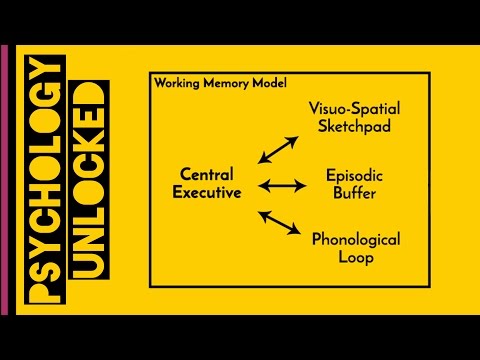
Memory also plays a huge role here. There are different types—short-term and long-term—and they work hand in hand when you’re learning something new. For example, when studying for a test, short-term memory helps you remember facts temporarily while long-term memory stores them for future recall. It’s like temporarily parking your bike before putting it away in the garage.
So why does all this matter? Well, understanding these processes means you can become a better learner yourself! If you’re aware of how schemas work or how to enhance your attention and memory skills, you’ll be able to tackle challenges more effectively.
In essence, Cognitive Learning Theory sheds light on the amazing ways our minds work when absorbing new information. By focusing on these mental processes—like attention and memory—you can turn learning into an active adventure rather than just passive absorption! And honestly? That makes all the difference in how well you understand things in everyday life!
Understanding Cognitive Learning Theory: Key Concepts and Applications
Cognitive Learning Theory is a cool way to understand how we learn, focusing on what happens in our minds rather than just the outer behavior. Basically, it’s about the mental processes involved in acquiring knowledge. So, let’s break down some key concepts.
Information Processing is a biggie. Think of your brain like a computer. It takes in information (input), processes it, and then stores it for later use (output). You know when you study for a test, and everything feels jumbled at first? That’s your brain working through all that info before you can recall it during the exam.
Another important concept is schemas. These are mental frameworks that help you organize and interpret information. Imagine walking into a new restaurant. You might have a schema for what restaurants are like based on past experiences—like the smell of food or seeing waitstaff bustling around. So when you walk in, your brain kicks into gear using that framework to make sense of your surroundings.
Metacognition is also essential here. It’s all about «thinking about thinking.» When you realize you’re not understanding something and decide to try a different study method, that’s metacognition in action! It involves self-awareness regarding your learning processes and can help improve how effectively you learn.
Now, constructivismplays into Cognitive Learning Theory as well. This idea says that learning isn’t just about passively receiving information but actively building new ideas based on what you already know. For example, if you’re learning about climate change and link it to previous knowledge about weather patterns, you’re constructing new insights.
Finally, let’s talk about applications. In classrooms or training environments, teachers can use Cognitive Learning Theory by encouraging students to engage with material actively through discussions or projects rather than rote memorization. This helps deepen their understanding and retention of new information.
In summary, Cognitive Learning Theory is all about what goes on inside our heads as we learn—processing information systematically while building upon existing knowledge and reflecting on our own thinking techniques! Isn’t it amazing how our brains work?
Cognitive Learning Theory is one of those concepts that can feel super abstract and complicated at first, but once you peel back the layers, it’s really about how our minds work and process information. You know when you’re trying to learn something new, like a language or a skill? It’s not just about memorizing facts; your brain is actively making connections, figuring things out, and trying to make sense of it all.
Picture this: remember that time you were struggling to grasp a tricky concept in school? Maybe it was calculus or how to play the guitar. You sat there, frustrated, but then something clicked. That click probably came from your brain reorganizing info you already had—like linking patterns or recalling past experiences. That’s your cognitive processes kicking in!
At its core, Cognitive Learning Theory emphasizes that learning isn’t simply a passive act like filling out a worksheet. It’s more like building a puzzle. Each piece represents bits of information. As you learn, you start fitting those pieces together until the whole picture starts to make sense. And the cool part? Everyone has their own unique puzzle based on their experiences and prior knowledge.
The theory also reminds us how important our environment plays into what we learn. Think about it – when you’re in a supportive atmosphere where questions are welcomed and mistakes are seen as part of the journey, you’re likely to feel more encouraged to explore new ideas without fear of judgment.
So yeah, cognitive learning is all about engagement and understanding rather than just rote memorization. Next time you find yourself fumbling through something frustratingly tough, remember: your brain is hard at work connecting dots in ways that might not be obvious right away! Embrace that process; it’s all part of becoming smarter and more adaptable as you tackle life’s challenges.