You know how sometimes you just wonder why you think the way you do? Or why your brain decides to freak out over the smallest things? Yeah, me too.
Cognitive neuroscience is like that bridge connecting our thoughts and feelings with what we actually do. It’s pretty wild when you think about it!
By delving into how our brains work, we get a better grip on human behavior. Like, why do we make certain choices or feel a certain way in different situations?
Imagine exploring the science behind your quirks and habits. Sounds cool, right? That’s what this whole thing is about! Let’s dig into how your mind shapes your life and maybe learn a few things along the way.
Understanding the Four Branches of Psychology: A Comprehensive Guide
So, you want to get into the four branches of psychology? Cool! While there are a bunch of fancy terms, breaking them down can help you see how they all connect, especially when it comes to something like cognitive neuroscience. Let’s jump right in!
1. Biological Psychology
This branch looks at how our brains and bodies influence our thoughts and behaviors. Picture this: when you’re stressed, your body releases adrenaline. That gets your heart racing and prepares you for action. It’s all about the connection between biology and the mind. Basically, biological psychology dives into how stuff like neurotransmitters and hormones affect everything from mood to motivation.
2. Cognitive Psychology
Now we’re talking about the mental processes—think memory, perception, and problem-solving. Cognitive psychologists are like detectives of the mind! They study how we think and process information. For example, when you learn something new, cognitive psychology peeks in on how that information gets stored in your brain and later retrieved when needed. Ever tried to remember someone’s name after just meeting them? Yeah, that’s cognition at work!
3. Developmental Psychology
This one’s pretty fascinating because it examines how we change over time—from babies to old folks! Developmental psychologists might look at milestones in childhood or how people adapt as they age. Remember learning to walk or talk? That’s all part of this branch! And it doesn’t stop there; they also study emotional growth and social interactions throughout life.
4. Social Psychology
Last but not least is social psychology which is all about how we interact with others. This branch digs into why we do what we do in a group setting or why we feel pressured by our peers—like when everyone decides to binge-watch a show together instead of studying for an exam! Social psychologists explore topics like conformity, aggression, attraction—you name it!
Now here comes the cool part: Cognitive Neuroscience, which acts as a bridge between these branches—the mind-body connection that ties everything together! This field zooms in on understanding mental functions through brain activity. For instance, if someone struggles with memory issues due to brain damage or disease (like Alzheimer’s), cognitive neuroscience helps us understand what parts of the brain are affected.
By examining both behavior and neurological processes, cognitive neuroscience helps us piece together things like why stress might make your memory foggy or why certain emotions activate specific areas in your brain.
In summary:
- Biological Psychology: Focuses on the body-brain connection.
- Cognitive Psychology: Looks at mental processes.
- Developmental Psychology: Studies changes over a lifetime.
- Social Psychology: Examines interactions among people.
So yeah! Each branch feeds into cognitive neuroscience beautifully—helping us understand human behavior from multiple angles while linking mind with matter! Isn’t that wild?
Exploring the Role of Cognitive Models as a Bridge Between Brain Function and Behavioral Outcomes
Cognitive models are super cool because they help us connect what’s happening in our brains to how we act in the real world. Basically, they’re like a map showing how our thoughts and mental processes influence our behavior. It’s fascinating, right?
When we talk about cognition, we’re diving into how you think, learn, remember stuff, and solve problems. These models focus on understanding those mental functions. They can explain why you might feel anxious before a big presentation or excited when you get a compliment. Your brain is firing away with all these processes that shape your emotions and decisions.
Cognitive neuroscience steps in here to clarify this link even more. It studies how brain function correlates with cognitive processes. For example, if you’re feeling scared about giving a speech, certain brain areas activate—the amygdala being one of them—key in processing fear. So, cognitive models can guide us to understand why that happens and how it affects your behavior.
- Information Processing: Imagine your brain as a computer processing data. When you see something scary, it quickly analyzes the situation and decides to trigger a flight or fight response.
- Cognitive Biases: Sometimes our brains mess up the data due to preconceived notions. Like thinking you’re bad at public speaking because of one rough experience—your mind warps reality based on past failures.
- Decision Making: Cognitive models help explain choices too! When faced with options, your brain weighs pros and cons based on prior experiences, leading to specific behaviors.
But let’s make this relatable with an example! Think about someone who avoids social gatherings because they feel awkward in groups. Their cognitive model might show that previous experiences have shaped their thinking—like feeling ignored at a party before influences their current actions. The part of their brain involved in social interactions could be responding differently than someone who’s comfortable, leading them to behave cautiously.
Moreover, these models indicate how learning happens over time. If you practice speaking in front of others often enough, the initial fear may lessen as new neural pathways form in your brain. This change illustrates just how adaptable we are!
So yeah, cognitive models serve as this bridge between what’s going on inside our heads—the firing neurons and chemical reactions—and how those translate into actual behavior out there in the world. Understanding this helps psychologists create more effective strategies for improving mental health or decision-making skills by targeting those cognitive processes directly.
In short, grasping cognitive models is essential not just for psychologists but for anyone curious about why we think and act the way we do! It reveals so much about human nature and adaptability—you follow me?
Understanding Cognitive Behavioral Neuroscience: Key Concepts and Applications Explained
Understanding cognitive behavioral neuroscience is one of those topics that might sound super complicated at first. But, really, it’s about how our brains and behaviors are linked. So, let’s break this down simply.
To start off, cognitive behavioral neuroscience (CBN) blends psychology with brain science. It looks at how thoughts and behaviors connect with the brain’s activity patterns. It’s like finding that sweet spot where your mind meets your body.
One of the key concepts in CBN is neuroplasticity. This refers to the brain’s ability to change and adapt based on experiences. For example, if you learn a new skill like playing guitar, your brain rewires itself to help you master it. Pretty cool, huh?
Additionally, there’s cognitive processes, which involve how we think, learn, remember, and solve problems. These processes can be influenced by emotions too! Imagine you’re feeling anxious before a big presentation. That anxiety could impact your focus and memory retrieval during the event.
Now let’s talk about emotions. They play a huge role in CBN too. There’s something called affective neuroscience, which studies how emotions are processed in the brain. It helps explain why some people react differently in similar situations based on their emotional state.
When we look at applications of CBN in real life, therapy comes into play big time! Therapists use insights from CBN to help people change harmful thought patterns and behaviors through techniques like cognitive-behavioral therapy (CBT). By understanding how emotions and thoughts interact with our neural pathways, therapists can guide clients toward healthier ways of thinking.
Here’s where it gets interesting: scientists often leverage techniques like fMRI scans to observe brain activity while people perform tasks related to emotion or cognition. For instance:
- A researcher might show someone different images that evoke various emotional responses.
- They can then track which parts of the brain light up during these reactions.
These studies not only deepen our understanding of mental health issues but also aid in developing better treatments for conditions like depression or anxiety disorders.
In practical terms, the findings from CBN can even be used in educational settings! Teachers might apply principles derived from this research to create engaging learning environments that align with how our brains work best.
To wrap it up: cognitive behavioral neuroscience gives us valuable insights into that confusing mix of thought and behavior we all experience daily. By understanding these connections better, we can make meaningful changes—whether it’s improving mental health or enhancing learning strategies. The human mind is truly fascinating!
So, cognitive neuroscience, huh? It’s one of those topics that can sound super complex, but at its core, it’s all about understanding how our brains shape our thoughts and behaviors. I mean, think about it: every time you make a decision or feel an emotion, there’s some brain magic happening behind the scenes.
I still remember a moment from college when we had this intense discussion in class about how our brain structures influence things like memory and learning. We were all super animated, debating whether our experiences were more influenced by biology or environment. One classmate shared a story about how his brother struggled with remembering things after a head injury. It really hit home—like, wow, the brain isn’t just this abstract idea; it’s something tangible that can change the way we experience life.
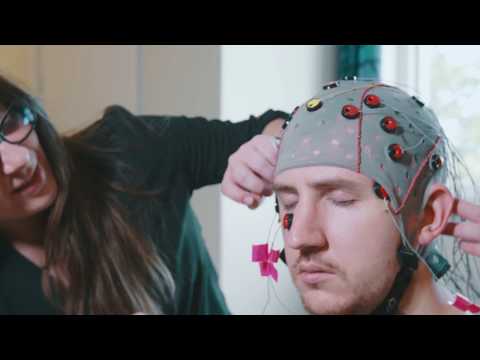
Cognitive neuroscience digs into this fascinating relationship between mind and behavior by looking at neural processes. You’ve got researchers using fancy tools like fMRI scans to literally watch what happens inside our heads when we think or feel something. It’s almost like peeking behind the curtain to see what actually drives us.
Take emotions—when you’re feeling anxious before a big presentation, there are specific areas lighting up in your brain. It’s not just “I’m nervous.” There’s actual circuitry involved! Or when you’re doing a puzzle; different parts of your brain work together to solve it. That teamwork is key.
The coolest part? This field is constantly evolving! New discoveries pop up all the time that challenge what we thought we understood about human behavior. And as researchers keep peering deeper into these connections between cognitive functions and neural activity, we start to grasp why people react differently in similar situations.
Of course, while understanding these mechanics is mind-blowing, there are still tons of questions left unanswered. For example: if two people experience the same event but react differently emotionally and mentally, what does that say about their unique wiring? It adds layers to our understanding of individual differences.
So yeah, cognitive neuroscience could seem heavy with all its technical stuff at first glance—but when you break it down and relate it to daily experiences? It’s pretty relatable and absolutely fascinating! It bridges this gap between our mind’s inner workings and how we behave in the world around us—it reminds us that we’re not just thinkers and feelers; we’re wonderfully complex beings shaped by both biology and experience!