You know how sometimes you just find yourself daydreaming? One minute you’re thinking about what to eat for lunch, and the next, you’re imagining winning the lottery. Crazy, right?
That’s your brain at work. Seriously! It’s like this wild, intricate machine that processes everything from simple thoughts to complex decisions.
Cognitive psychology dives into all that. It’s about understanding how we think, remember, and solve problems—basically how our minds tick.
Ever wondered why you remember some things but forget others? Or why you can solve a puzzle one day but feel totally stumped the next?
That’s the kind of stuff we’ll unpack here. So grab a snack, get comfy, and let’s explore what makes us… well, us!
Understanding the 4 Stages of Cognitive Thinking: A Comprehensive Guide
Cognitive thinking is like the brain’s way of processing information. It’s how we learn, solve problems, remember stuff, and make decisions. So, let’s break down the four stages of cognitive thinking in a way that doesn’t sound like you’re reading a textbook.
Stage 1: Attention
This is where it all begins. Attention is about focusing on what matters while tuning out everything else. Imagine you’re in a crowded coffee shop, and you hear your friend’s voice through all the chatter. That’s your attention kicking in! It helps you isolate important info from the noise.
Stage 2: Perception
Now that you’ve got your attention locked on something, perception takes over. This stage is about interpreting what you’re focusing on. Think of it as translating signals into meaning. Like when you see a dog barking and realize it’s not just any dog—it’s your neighbor’s playful pup! You recognize its shape, color, and bark style!
Stage 3: Memory
Memory comes into play here. It stores what you’ve perceived and helps recall it later. If you met someone new at a party last week, your memory helps stitch together their name with their face when you bump into them again later. There are different types of memory involved too—short-term for quick info and long-term for things we want to keep forever.
Stage 4: Reasoning
Finally, we hit reasoning—the brain’s problem-solving superhero! At this stage, you analyze information and make decisions based on everything you’ve gathered so far. Let’s say you’re trying to figure out which movie to watch tonight; you’ll consider reviews (attention), remember if you’ve liked similar movies (memory), and finally decide based on how much fun they seem (reasoning).
To sum it up:
- Attention: Focus on what’s relevant.
- Perception: Make sense of that information.
- Memory: Store what matters for future use.
- Reasoning: Analyze and decide based on all that info.
These stages work together seamlessly in everyday life without us even realizing it! When you’re able to follow these steps effectively, you’re likely going to find problem-solving just a bit easier—and isn’t that what we’re all looking for?
Understanding Insight in Cognitive Psychology: Key Concepts and Applications
Understanding insight in cognitive psychology can be super interesting, especially when you start digging into how our brains process information. Insight generally refers to that «lightbulb moment» when you suddenly understand something or solve a problem. It’s like when you’re stuck on a tricky puzzle and then, boom! The answer just pops into your head.
When we talk about insight, we’re looking at various processes that make this happen. These processes can range from simple recognition to complex problem-solving skills. It’s about the brain linking different pieces of information together in ways we might not consciously notice at first.
In cognitive psychology, some key concepts related to insight include:
Now, while these concepts are valuable, it’s also important to highlight that not all insight is created equal. There are various types of insights depending on the context of the problem you’re facing.
Examples of application in daily life could look something like this:
– **Creative Tasks:** Artist often have moments of sudden inspiration where everything just makes sense.
– **Learning New Skills:** If you’ve ever learned an instrument or sport, there’s that moment when it finally clicks—like suddenly nailing that difficult chord!
– **Social Interactions:** Sometimes you just get someone after watching them for a bit; it’s that intuitive understanding of their feelings or motivations.
Insight in cognitive psychology essentially reminds us that our brains are always working behind the scenes. And sometimes all we need is a little time or perspective shift for those enlightening moments.
So yeah, basically, understanding insight involves looking at how our minds work and how they connect dots in ways we might not be actively aware of! Isn’t it cool how our minds can effortlessly navigate all this complexity?
Understanding Cognitive Psychology: Key Examples and Applications in Everyday Life
Cognitive psychology is like the behind-the-scenes look at how our brains work. You know, it’s all about those mental processes—like thinking, memory, problem-solving, and decision-making—that shape how we experience the world. Let’s break it down a bit because I think it’s pretty fascinating.
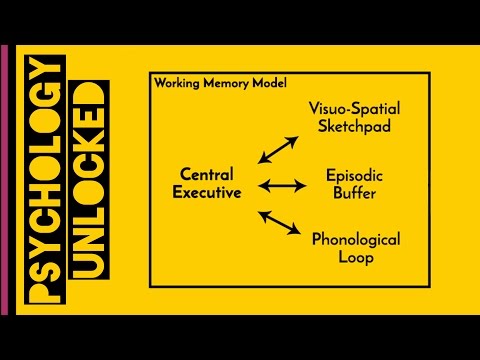
Memory is a huge part of cognitive psychology. It’s not just about remembering facts for a test; it’s also how you recall that funny story your friend told you last week. There are different types of memory too. For example,
helps you remember a phone number just long enough to dial it, while
is what stores those irreplaceable childhood memories or your favorite song lyrics.
Then there’s attention. This deals with how we focus on specific information while ignoring distractions. Picture this: you’re at a loud party trying to have a deep convo with a friend but there’s music blasting in the background. Your ability to concentrate on that conversation despite the chaos is thanks to your attention skills.
Another cool concept is problem-solving. Think about when you’re faced with an unexpected dilemma—like when your car won’t start. You might run through some options in your head: call for help? Try jump-starting? This mental process involves looking at available information and figuring out the best course of action.
Cognitive biases are also part of this whole mix. These are like little shortcuts our brains take that can lead us astray sometimes. For instance, if you hear one bad thing about a restaurant you love, that might overshadow all the great meals you’ve had there before. That’s called negativity bias—you remember the negative stuff more than the positive.
You see this stuff in action in everyday life all around us! For instance, consider how kids learn new languages; they absorb grammar rules and vocabulary almost without realizing it through repetition and practice—this shows that our cognitive processes are often automatic yet powerful.
And don’t forget emotion! Emotions affect how we think and remember things too. Like when something really tragic happens—it sticks with us more than mundane details of an average day. This intertwining of emotions and cognition can create vivid memories that shape our future decisions.
So basically, cognitive psychology peels back layers on understanding human thought processes and how they play out in real life scenarios—from making choices at dinner to recalling important dates or solving everyday problems. It connects us all through shared experiences shaped by our unique ways of thinking!
Cognitive psychology is like peeking under the hood of our brains. It’s all about understanding how we think, learn, remember, and even make decisions. Imagine you’re trying to recall a favorite song. You can almost feel the melody in your head, right? That little dance of neurons firing is cognitive psychology at work.
So, here’s the thing: our thoughts aren’t just random sparks. They’re part of a process that involves lots of complex mental operations. When you see something that surprises you—like your friend suddenly doing a backflip—you react almost instantly. That split second involves perception, memory recall, and decision-making all tangled together.
Let me share a quick story. Once, I was at a party where everyone was playing charades. It was fun but also super chaotic! I could barely keep my thoughts straight as I tried to guess what one friend was acting out while processing hints from others and recalling past clues. In that moment, I realized how many brain processes were firing away just to enjoy a game! It’s wild to think about how effortlessly we handle these things every day.
And here’s another thing: our cognitive processes are shaped by our experiences and environment. Have you noticed how learning something new can totally change the way you think about things? Like mastering a new recipe or picking up a new hobby? Suddenly, you’ve got this whole fresh perspective!
But it’s not all sunshine and rainbows. Sometimes our cognitive biases can mess with us; they’re like those annoying potholes on the road of our thought processes. Like confirmation bias—where we tend to focus on information that supports what we already believe—can lead us down some pretty narrow paths in thinking.
So hey, cognitive psychology gives us tools to understand ourselves better and improve how we interact with the world. By grasping these thought processes, we might even find ways to tackle challenges more effectively or connect with others on deeper levels.
It makes me appreciate the intricate web of thoughts swirling around every day, allowing us to navigate life in all its weirdness and complexity! Pretty amazing when you think about it!